
Companion Plants
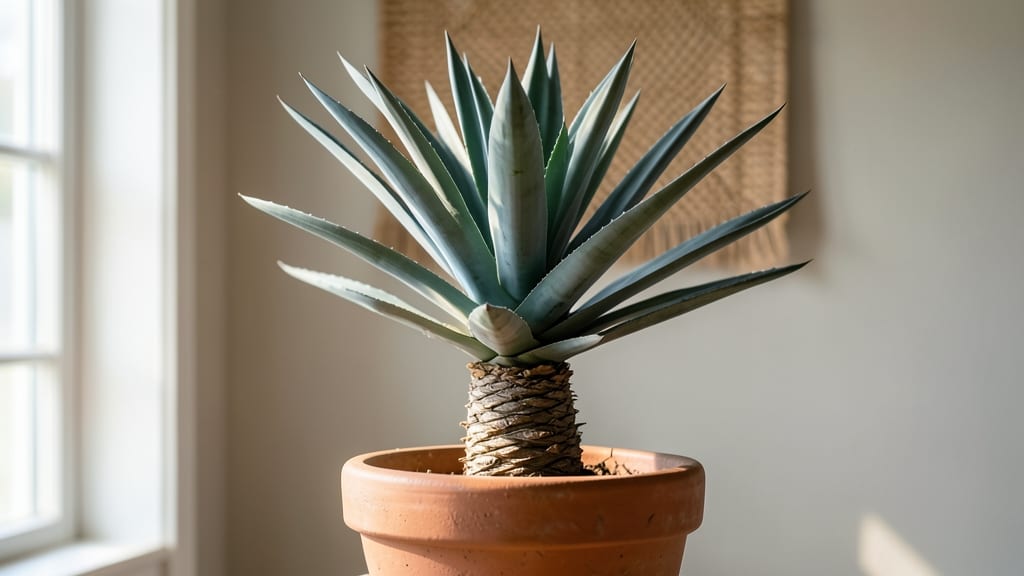
Want to know how much light does a yucca plant need to grow tall and proud with those striking striped leaves? The answer lies in sunlight—and getting it right makes all the difference. Too little light, and your plant stretches awkwardly; too much, and those gorgeous leaves can crisp.
I’ve seen the difference firsthand when I moved mine from a shady corner to full sun, and the transformation was dramatic.
Yuccas are sun worshippers, craving at least 6 hours of direct light daily to stay strong and vibrant. But here’s the catch: they’re tougher than they look. Unlike some finicky plants, yuccas can handle intense afternoon rays, making them perfect for outdoor spaces or bright indoor spots.
The key is finding that sweet spot where they thrive without burning.
If you’re wondering how to tell if your yucca isn’t getting enough light, watch for signs like elongated stems or pale leaves. On the flip side, crispy edges or yellowing mean it’s getting too much.
I’ll walk you through exactly how to adjust placement—whether you’re dealing with a south-facing window or a shady balcony—to keep your plant happy year-round.
Ready to unlock the secrets to lush, healthy yucca growth? Let’s dive into the perfect light conditions and practical tips to keep your plant looking its best, no matter where you live.

Ideal light requirements for yucca plants: sunlight needs by variety
Yucca plants are sun worshippers—they crave bright, direct sunlight to maintain their iconic striped foliage and robust growth. Without enough light, you’ll see leggy stems and pale leaves, while too much intense sun can cause leaf scorch.
The good news? Most yucca varieties thrive in full sun conditions, but their exact needs vary slightly depending on the species. Let’s break down the sunlight requirements for the most popular types.
For outdoor cultivation, yuccas need at least 6-8 hours of direct sunlight daily. In USDA Zones 7-11, they handle intense afternoon sun with ease, making them perfect for desert landscapes or southern exposures.
However, in cooler climates (Zones 6 or below), afternoon shade helps prevent winter burn during harsh sunlight.
Here’s how different yucca varieties stack up when it comes to light:
| Variety | Ideal Light Conditions | Indoor Adaptations | Signs of Stress |
|---|---|---|---|
| Yucca elephantipes (Spineless Yucca) | 6+ hours full sun; tolerates partial shade | South/west window; grow light supplement | Yellowing leaves, slow growth |
| Yucca rostrata (Beaked Yucca) | Full sun only; drought-tolerant | Brightest window; avoid north-facing | Brown leaf tips, crispy edges |
| Yucca gloriosa (Spanish Dagger) | Full sun to partial shade | East/west window; rotate weekly | Stretched stems, weak foliage |
| Yucca filamentosa (Adam’s Needle) | Full sun; handles heat well | South-facing; reflective surfaces help | Pale leaves, weak stems |
When growing yuccas indoors, natural light becomes even more critical. A south-facing window provides the most intense sunlight, while west-facing windows offer longer afternoon light. If your home lacks bright windows, grow lights (LED or fluorescent) can supplement with 12-14 hours of light daily.
Place lights 6-12 inches above the plant and adjust height as it grows.
Seasonal adjustments are key for outdoor yuccas. In spring and fall, they thrive in direct sunlight, but during summer heatwaves, provide afternoon shade to prevent leaf burn.
In winter, move container-grown yuccas to a sheltered spot if temperatures drop below 20°F, as frost can damage tender foliage.
Pro tip: Rotate your yucca every 2-4 weeks to ensure even light exposure. This prevents one-sided growth and keeps the striped leaves vibrant on all sides. If you notice yellowing or brown patches, it’s often a sign of light imbalance—either too little or too much.
For container gardens, use light-colored pots to reflect extra sunlight, especially in hot climates. Dark containers absorb heat and can stress the roots. Pair your yucca with drought-tolerant companions like agave or sedum to create a sun-loving microclimate.
Remember, yuccas are adaptable but not flexible—they’ll tell you when they’re unhappy. Watch for visual cues like curling leaves or stunted growth, and adjust their light exposure gradually to avoid shock.
With the right sunlight balance, your yucca will reward you with bold, healthy foliage for years to come.
Signs your yucca isn’t getting enough (or too much) light—and how to fix it
Yucca plants are tough, but even they’ll send distress signals when their light needs aren’t met. Leggy stems and pale leaves mean your plant is stretching toward light, while brown leaf tips or crispy edges scream "too much sun!"
These visual cues help you diagnose the issue fast—before permanent damage occurs.
Start by checking your yucca’s foliage color. Healthy leaves should be deep green with sharp stripes. If they turn yellowish or dull, your plant is light-deprived.
For outdoor yuccas, this often happens in shaded corners of the garden or under tall trees. Move it to a sunnier spot gradually—sudden exposure can cause sunburn.
On the flip side, scorched patches or white, dry areas on leaves mean your yucca is getting too much direct sun, especially in hot climates. This is common for Yucca rostrata (Spanish dagger) in afternoon heat.
Provide afternoon shade with a sheer curtain or relocate to a spot with morning sun only.
For indoor yuccas, watch for stretched growth (etiolation) near windows. This means your plant is reaching for light but not getting enough. Rotate the pot weekly so all sides grow evenly, and consider adding a grow light 12 inches above the plant for 6–8 hours daily.
LED grow lights are energy-efficient and mimic sunlight perfectly.
If your yucca’s leaves develop blackened edges or a glossy sheen, it’s likely overwatered and getting too much light. Reduce watering to every 3–4 weeks and move it to a spot with bright, indirect light, like a north-facing window with a sheer curtain.
This combo prevents both sunburn and root rot.
Pro tip: Use a light meter (or your phone’s light app) to measure foot-candles. Yuccas thrive at 10,000–15,000 foot-candles—about the light level of a sunny patio. If you’re under 5,000 foot-candles, supplement with artificial light immediately.
Remember, yuccas are sun worshippers at heart. With the right balance, they’ll reward you with bold stripes and architectural form for years. Adjust gradually, and your plant will bounce back faster than you think! 🌿