
Companion Plants
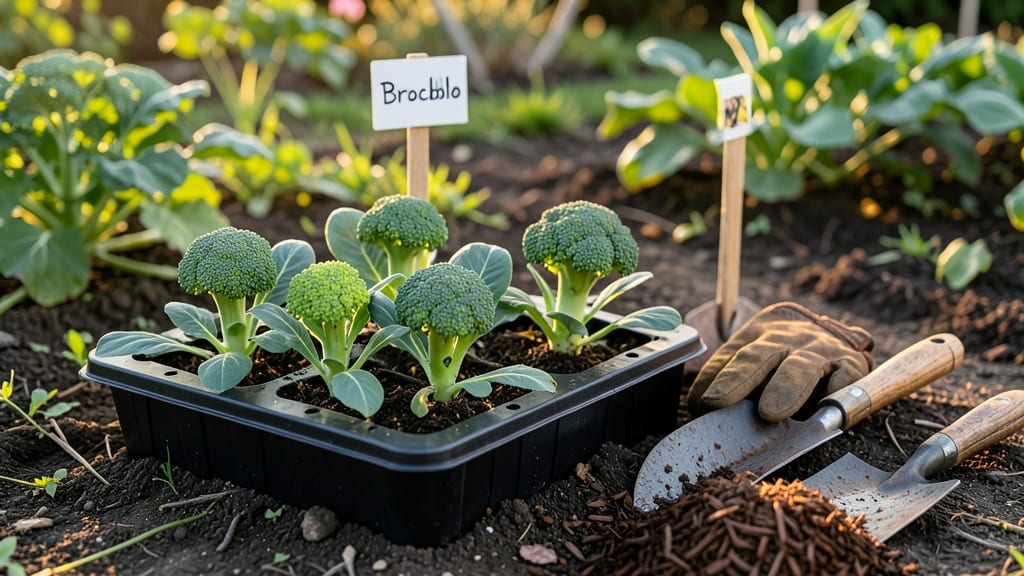
Timing your 🥦 broccoli planting in Zone 7b can mean the difference between a thriving garden and a bitter disappointment. Plant too early, and you risk frost damage; too late, and your plants bolt before you even get a harvest.
The key is knowing those exact weeks when soil temperatures and daylight align perfectly for success.
In Zone 7b, where last frosts typically arrive around March 15, your best window starts 4-6 weeks before that date—usually late February to early March.
But don’t stop there: fall planting in August-September gives you a second chance at harvest, provided you time it right to avoid early frosts in November.
Why does this matter? Because broccoli is finicky—it needs cool soil and consistent moisture to form those prized heads. Get it wrong, and you’re left with tough, bitter stalks or plants that flower too soon.
I’ll walk you through the precise timing, soil prep, and even how to adjust for regional quirks in Virginia, North Carolina, or Tennessee.
Skip the guesswork and learn how to plant 🥦 broccoli for a harvest that’s bountiful and delicious, not a lesson in what not to do. Let’s get those seeds in the ground at the perfect moment.
Optimal broccoli planting weeks in Zone 7B to prevent bolting
Broccoli thrives in Zone 7B’s cool seasons, but planting at the wrong time leads to bitter, bolted heads. The key is timing your spring and fall plantings to avoid heat stress and ensure 70-90 days to harvest before summer’s arrival.
In Zone 7B, your last frost date is typically around March 15, and your first frost arrives by November 15.
For spring plantings, aim to sow seeds 4-6 weeks before your last frost—usually in late February to early March. This gives seedlings enough time to establish roots before soil temperatures rise above 70°F, which triggers bolting.
If you miss this window, don’t panic—fall plantings are just as productive.
Fall is your second chance for broccoli in Zone 7B. Start seeds 8-10 weeks before your first frost, landing in late July to early August.
This ensures heads form in cool October temperatures and mature before winter sets in. Slow-bolting varieties like ‘Waltham 29’ or ‘De Cicco’ are ideal for fall.
Your Zone 7B planting schedule hinges on soil temperature and daylength. Broccoli needs soil temps below 75°F to thrive. Use a soil thermometer to confirm—if it’s warmer than 80°F, delay planting or use shade cloth to protect seedlings.
In Zone 7B, August heat can be brutal, so plan fall plantings carefully.
🌱 Zone 7B Broccoli Planting & Harvest Timeline
| Stage | Action | Best Months | Soil Temp |
|---|---|---|---|
| Spring Planting | Sow seeds indoors or direct-sow outdoors | Late Feb - Early Mar | 45-65°F |
| Transplant Seedlings | Move to garden 2-3 weeks after last frost | Mid Mar - Early Apr | 50-70°F |
| Spring Harvest | Pick heads when 4-6" diameter | May - Early June | 60-75°F |
| Fall Planting | Direct-sow seeds outdoors | Late July - Early Aug | 65-75°F |
| Fall Harvest | Harvest before first frost | Oct - Early Nov | 50-65°F |
⏰ Pro Tip: Use a frost calendar for your exact location—Zone 7B varies slightly from Virginia to Tennessee. Adjust planting dates by 1-2 weeks based on microclimates.
To calculate your exact planting dates, subtract 70-90 days from your average first frost date (November 15). For example, if your frost arrives November 1, plant by August 10 for a fall harvest.
Use row covers to extend the season by 2-3 weeks in early spring or late fall.
Before planting, prep your garden bed with compost-rich soil and a balanced fertilizer (10-10-10). Broccoli loves well-draining soil with a pH of 6.0-7.0. Test your soil in late winter to amend it 4-6 weeks before planting.
Add aged manure or worm castings to boost nutrient density—this prevents nutrient deficiencies that stress plants and trigger bolting.
Space seedlings 18-24 inches apart in rows 30 inches apart to allow airflow and reduce disease risk. In Zone 7B’s humid summers, crowded plants suffer from fungal infections like downy mildew.
Thin seedlings to avoid competition, and mulch with straw or shredded leaves to retain moisture and regulate soil temperature
Optimal broccoli planting weeks in Zone 7B to prevent bolting
Zone 7B’s mild winters and hot summers create a narrow window for broccoli success. Plant too early, and you risk frost damage; too late, and bolting from heat stress ruins your crop.
The key is timing your spring and fall plantings precisely around your local frost dates—typically March 15 (last frost) and November 15 (first frost) in this zone.
For spring broccoli, aim to sow seeds 4-6 weeks before your last frost date (late February to early March). This gives seedlings time to establish roots before temperatures climb.
In Zone 7B’s warmer regions (e.g., Virginia’s Piedmont or North Carolina’s Triangle), start seeds indoors in late January for an early transplant edge.
Fall plantings are trickier but rewarding. Broccoli needs 90-100 days to mature, so sow seeds 3 months before your first frost (early to mid-August). This ensures harvests in October or November before cold sets in.
Use shade cloth in late summer to protect seedlings from heat stress, which triggers bolting.
| Planting Window | Zone 7B Timeline | Key Actions |
|---|---|---|
| Spring Planting | Late Feb - Early Mar | Sow seeds indoors; transplant 4-6 weeks before last frost. |
| Fall Planting | Early - Mid Aug | Direct-sow seeds; use shade cloth if temps exceed 85°F. |
| Soil Temperature | 45-85°F | Wait until soil warms to 50°F+ for spring; cool to 70°F for fall. |
| Harvest Window | Late May - Early June (Spring) / Oct - Nov (Fall) | Harvest before heads flower; side shoots produce 2-3 more harvests. |
Don’t overlook soil preparation—broccoli thrives in rich, well-draining soil with a pH of 6.0-7.0. Work in 2-3 inches of compost before planting, and space seedlings 18-24 inches apart to prevent overcrowding, which stresses plants and invites pests.
In Zone 7B’s clay-heavy soils (common in Tennessee or parts of Virginia), amend with sand or peat moss to improve drainage.
Pro tip: Use mulch (straw or shredded leaves) to retain moisture and regulate soil temperature. This is especially critical in Zone 7B’s unpredictable spring weather, where warm days can fool broccoli into bolting prematurely. Mulch also suppresses weeds, reducing competition for nutrients.
Finally, monitor your plants for heat stress signs like yellowing leaves or flower stalks. If temps hit 90°F+, provide afternoon shade with floating row covers or move containers to partial shade.
With these adjustments, you’ll avoid the #1 Zone 7B broccoli mistake: bolting from poor timing or heat stress.