
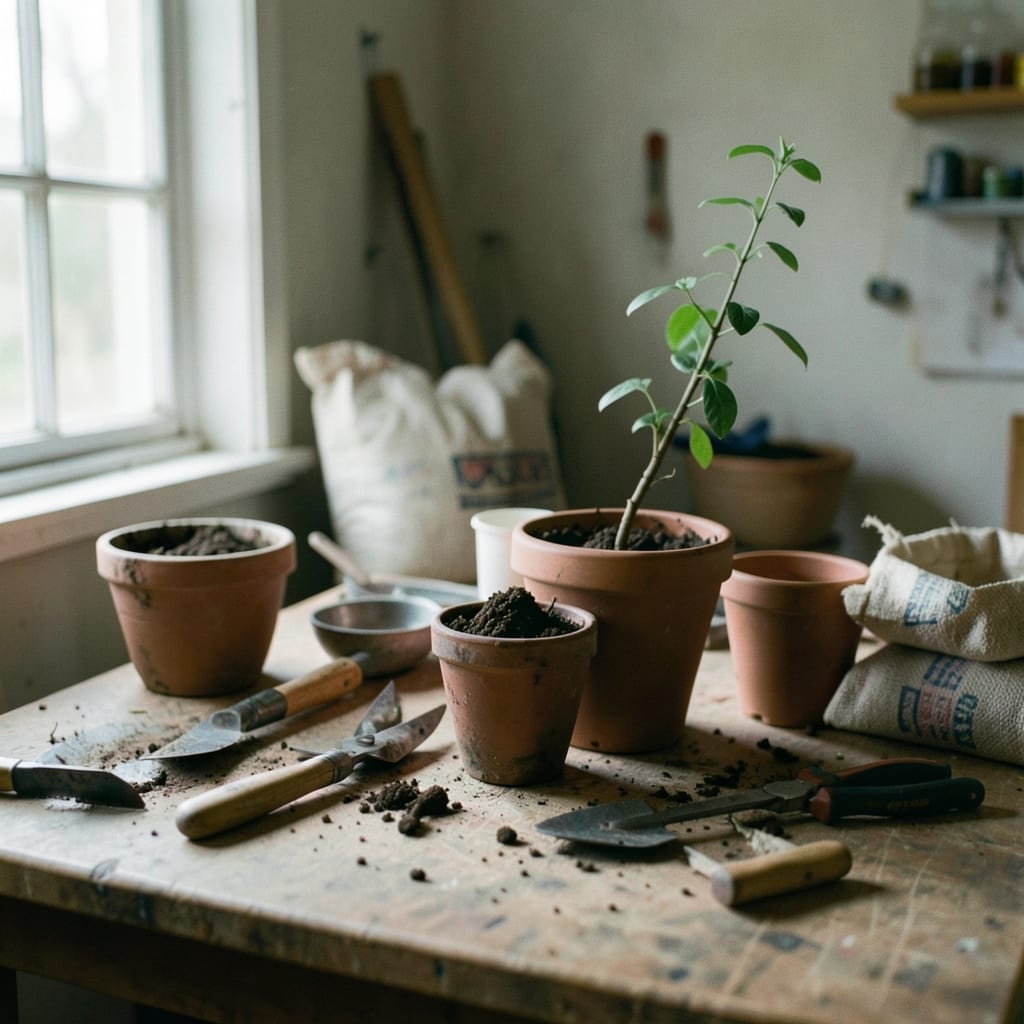
Welcome to Plant Verde
You’ve planted a seed—maybe it’s a stubborn basil cutting in a coffee mug, maybe it’s a packet of heirloom tomatoes you found at a roadside stand—and now you’re waiting for something to happen. The soil stays dry, the leaves yellow, or worse, nothing grows at all.
You’re not alone: most of us have stared at a wilting plant and wondered if we’re doing it wrong. The truth is, gardening isn’t about perfection.
It’s about noticing when the soil remembers you, when roots find their way through cracks in the pavement, when a single leaf unfurls after weeks of silence. This is where you learn what works, what fails, and what to try next.
Plant Verde is for anyone who tends to plants, whether that’s a windowsill herb garden or a half-acre of stubborn perennials.
Here, you’ll find the answers that don’t come with seed packets: how to coax life from stubborn soil, why your zucchini plants keep collapsing, and what to do when the weather refuses to cooperate.
No fluff, no guesswork—just the quiet, stubborn truth of what grows, what dies, and how to try again.
Our story
The first time Corinne Montoya planted something that didn’t die, she was eight years old. It was a sunflower seed pressed into the dirt beside her grandmother’s porch, watered with a thimbleful of rainwater every morning.
That sunflower grew three feet tall in a summer of 95-degree heat, its stem so thick she could wrap her small hands around it. But the real lesson came later: the next year, she planted three more seeds, and only one sprouted.
She spent the rest of the summer convinced she’d done something wrong, until her grandmother showed her the packet—‘These need light. You buried them too deep.’
Years later, Corinne started keeping a garden journal, scribbling notes in the margins of seed catalogs and dog-eared gardening books. The problem was, most of the advice she found online was either too vague (‘wait until the soil is warm’) or too specific (‘plant in full sun, USDA Zone 5a’).
She wanted something that worked for the person who didn’t know their hardiness zone, who had no idea how to tell ‘full sun’ from ‘partial shade,’ who was more likely to kill a cactus than nurture one.
So she started writing it down herself—first in a private notebook, then in a blog, then here.
The turning point came at 3:17 PM on a Tuesday in late May, when Corinne was kneeling in a community garden plot in Oakland, pulling up a row of bolted lettuce.
A stranger stopped to watch, then asked, ‘How do you keep your tomatoes from cracking like that?’ She talked for twenty minutes straight, gesturing at the soil, the leaves, the half-rotten fruit on the vine.
When she finished, the stranger handed her a business card: ‘If you ever write this stuff down, I’d read it.’ That was three years ago.
Now, the site has grown into a place where gardeners trade not just tips, but the quiet victories and stubborn failures that make the work worth doing.
What we stand for
We believe gardening is a conversation, not a lecture. The best advice comes from people who’ve dropped a trowel in the dirt, not those who’ve only read about it.
Here, you’ll find the answers to the questions no one asks in gardening magazines: *Why did my peppers turn bitter?* *How do I save seeds from a plant that won’t set fruit?* *What do I do when the squirrels steal my corn before it ripens?*
What you will always get here
- Practical advice that works in your actual garden—not a perfect greenhouse.
- Honest answers about what *didn’t* work (and why).
- Plants that grow where you live, not just in ideal conditions.
- A focus on the soil, the seasons, and the small moments that matter most.
Meet the team
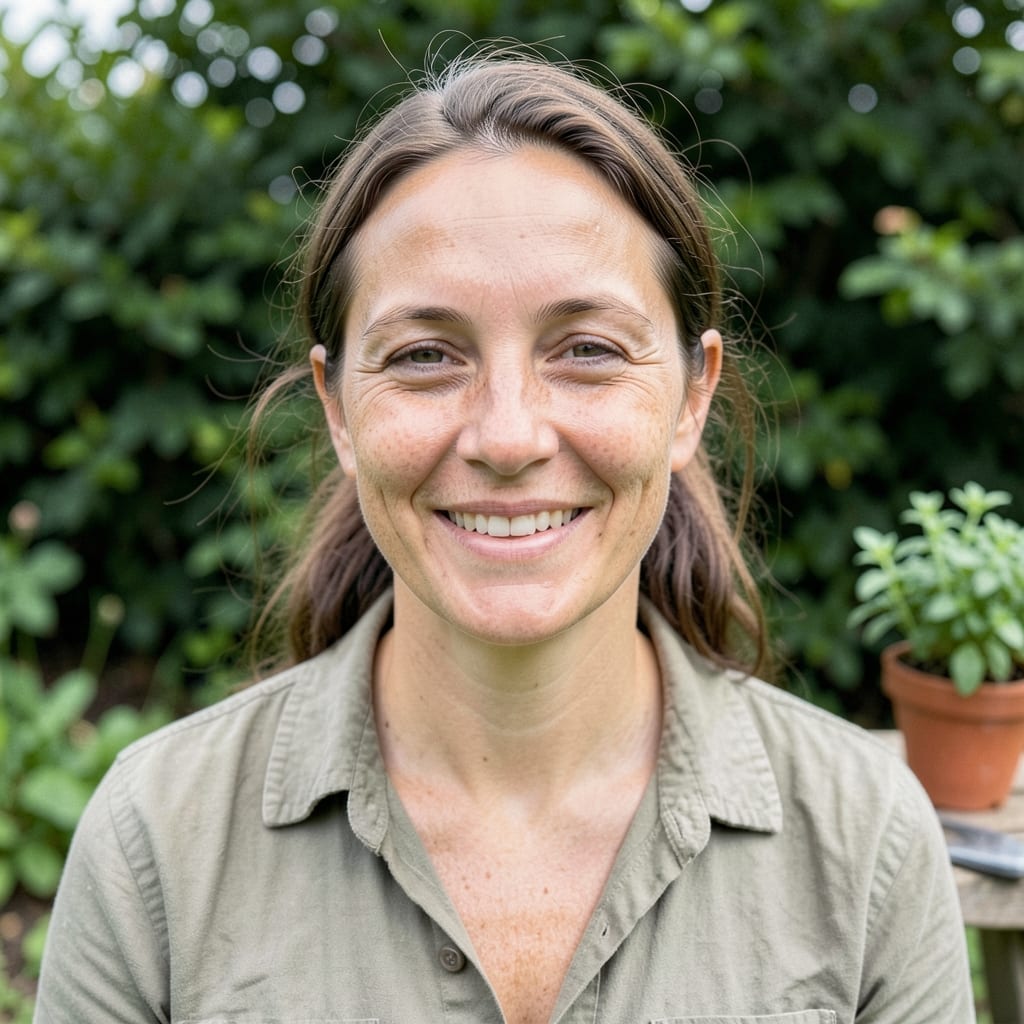
Behind Plant Verde is a small group of gardeners who’ve spent years learning the hard way: that some plants thrive on neglect, others demand daily attention, and that the best fertilizer is often just time. We’re not scientists, not master gardeners, not even particularly neat.
But we know how to listen to the soil, how to tell when a plant is begging for water and when it’s begging for shade, and how to laugh when the tomatoes still split open despite your best efforts.
Corinne Montoya
Corinne Montoya is the founder of Plant Verde and the only writer here who hasn’t accidentally killed a cactus (though she’s come close with succulents). Her background is in urban agriculture and community gardening, but her real education came from years of trial, error, and the occasional triumphant harvest.
She still keeps a notebook by her desk where she scribbles down plant names, soil amendments, and the one thing she always forgets to do before transplanting—water the roots, not the leaves.
Her approach is simple: if a tip doesn’t work the first time, she keeps trying until it does, or until she admits defeat and moves on to something harder.
Corinne’s desk is a controlled chaos of seed packets, a half-empty mug of cold tea, and a small terracotta pot where she’s currently failing to grow a jade plant.
She starts her workday at 6:30 AM, before the sun is up, because that’s when the garden is quietest—and, she swears, when the soil is most honest about what it needs. Her biggest weakness?
She still plants marigolds every year, even though she knows the deer will eat them down to the stems by July.
I don’t believe in ‘green thumbs.’ I believe in stubbornness. If you’ve ever watched a dandelion push through concrete, you know what I mean. The plants that survive aren’t the prettiest or the easiest—they’re the ones that refuse to quit.
Corinne Montoya
How we create our content
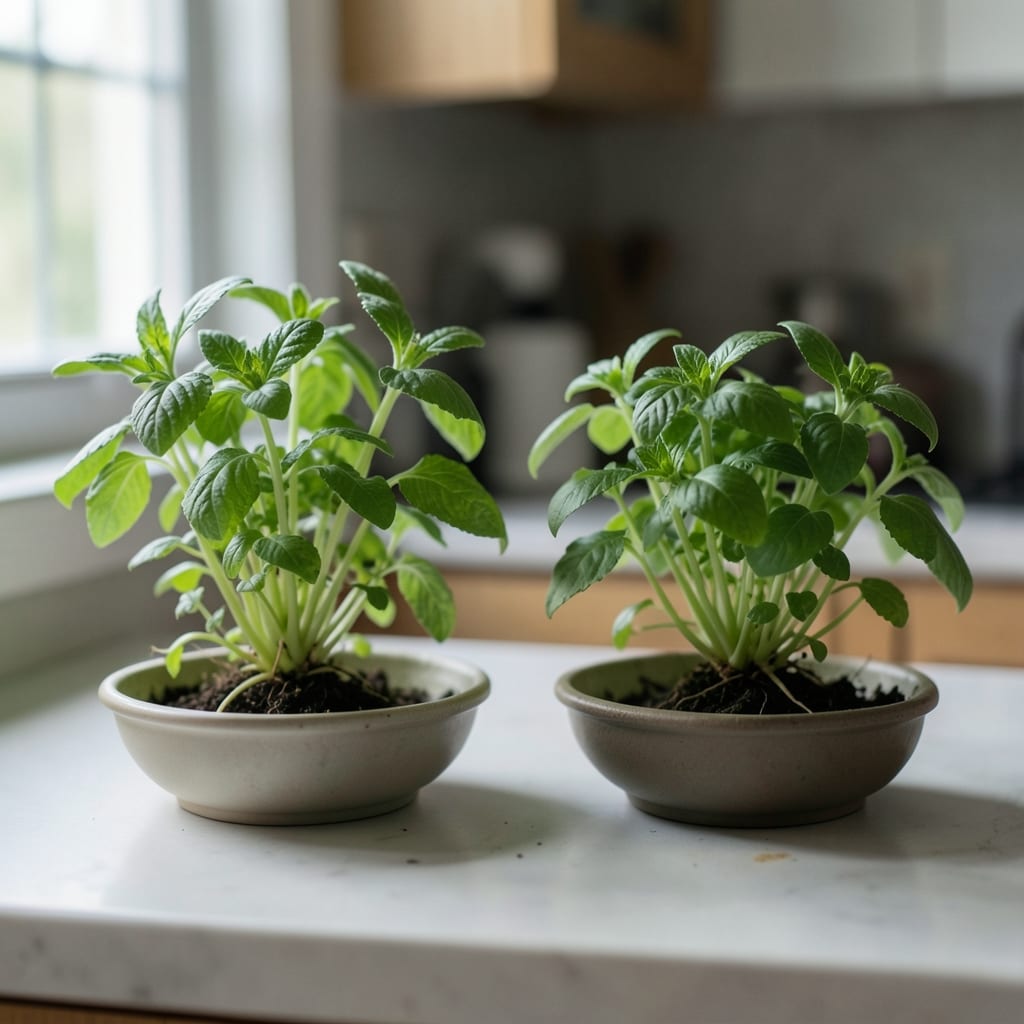
Every piece on Plant Verde starts with a question—yours, or someone else’s. Maybe it’s a comment on a forum, a message in a gardening group, or just Corinne’s own frustration after a particularly bad season. The first step isn’t research; it’s getting dirty.
We plant, we observe, we fail, and we try again. Only then do we write it down, making sure every tip has been tested in real conditions: your backyard, your balcony, your windowsill.
The first step: trial and error
We start with the plant in question. If it’s a vegetable, we grow it from seed in 72-cell trays, keeping the soil moist but not soggy, under grow lights set to 14 hours of light a day.
If it’s a perennial, we dig up a section of an existing plant and divide it, making sure each root has at least three buds. The first four weeks are spent watching—not writing, just watching.
We note when the leaves wilt at 10 AM, when the roots spread past the pot’s edges, when the soil dries out in three days instead of five. No assumptions. Just data.
The real test comes when we move it outside.
We harden it off over seven days, taking it out for an hour on day one, three hours on day three, and leaving it out overnight by day five—unless the forecast calls for frost, in which case we bring it back inside and start over.
The first week outside is critical: we check the soil moisture every morning at 7 AM, the pH every Friday, and the pest activity every Sunday. If the plant shows signs of stress (yellowing, wilting, or—worst of all—sudden, unexplained growth spurts), we adjust immediately. No waiting for ‘perfect’ conditions.
Just fixing what’s broken.
The second step: the honest write-up
Once we know what works—and what doesn’t—we write it down. But we never skip the failures. If the tomatoes cracked despite our best efforts, we say so. If the basil bolted before we could harvest it, we explain why.
The goal isn’t to sell you on a perfect garden; it’s to give you the tools to outsmart the next problem.
Every guide includes three things: what you’ll need (tools, soil amendments, or just time), what to watch for (pests, weather shifts, or overwatering), and what to do when it goes wrong (because it always will, at least once).
The final check? We send the draft to three people: a beginner, a veteran gardener, and someone who’s never grown anything more than a windowsill herb. If they’re confused, we rewrite it. If they laugh at a tip, we keep it in.
The result isn’t a polished manual; it’s a conversation starter—one that helps you decide what to plant next season.
Join our community
This site exists because gardening is better when you’re not doing it alone.
Here, you’ll find answers to the questions no one else asks: *Why is my compost heap steaming?* *How do I save seeds from a plant that’s half-wilted?* *What do I do with a garden full of weeds and no time to pull them?* You’ll also see what others are growing, the mistakes they’ve made, and the small victories that keep them coming back.
If you’ve got a tip, a failure, or just a plant you’re curious about, share it. The best lessons come from the dirt—and from the people who’ve been there before you.
Let's connect
We love hearing about the plants that surprise you, the seasons that defy the rules, and the moments when the garden feels like magic. Did your zucchini plant produce fifty pounds of fruit in a month? Did your roses bloom in December?
Did you finally figure out how to keep the squirrels out of your birdseed? Tell us about it. The contact page is where these stories begin.
Gardening isn’t about perfection. It’s about paying attention—and learning to laugh when the soil gets the last word.
The guides are grouped by category: Advice, Aphids, Blooming, Companion Plants, Container Gardens and Diseases.