
Plants
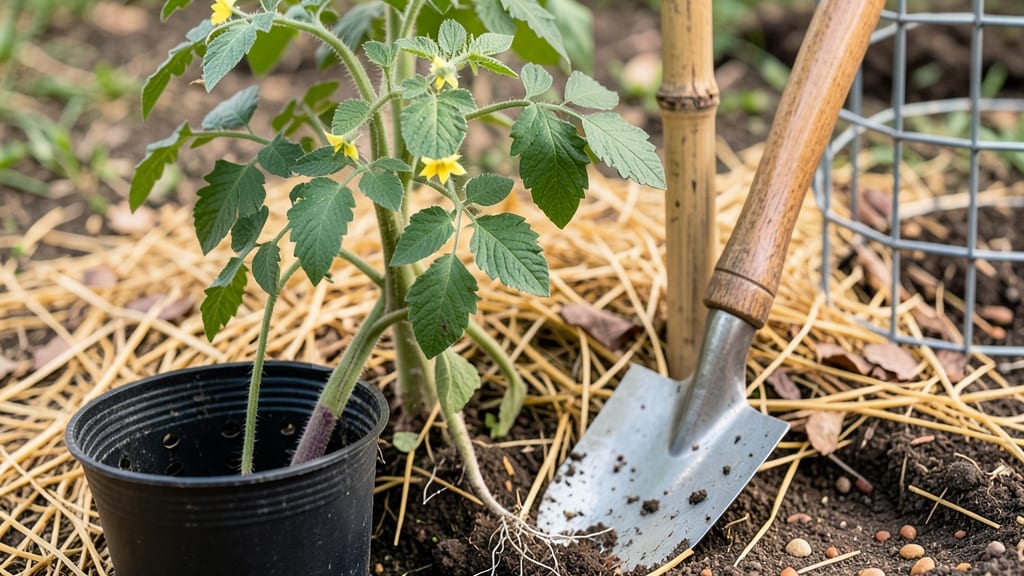
Planting tomatoes in Missouri isn’t just about waiting for spring—it’s about catching that perfect window between last frost and scorching summer heat. If you miss the mark, you’ll either lose your plants to cold snaps or watch them struggle under July’s relentless sun.
But with the right timing and cold-hardy varieties, you can stretch your harvest from early summer all the way to fall.
Missouri’s 5b-6b climate zones mean your exact planting dates depend on where you live, but the general rule is simple: wait until soil temperatures hit at least 60°F and nighttime lows stay above 50°F.
That usually lands between mid-April and mid-May, but regional differences can shift your schedule by weeks. Let’s break down the best strategies to avoid common pitfalls like frost damage or bolting—so you can enjoy homegrown 🍅 from June through October.
You might assume all tomatoes thrive in Missouri’s heat, but some varieties handle early-season chills better than others. Cold-hardy picks like ‘Stupice’ or ‘Glacier’ can survive light frosts, while classic favorites like ‘Brandywine’ need warmer soil to take off.
I’ll share which ones work best in your specific corner of the state—and how to give them the best possible start, whether you’re sowing seeds indoors or planting directly in the garden.
Timing isn’t just about the calendar; it’s about reading the weather and your soil. We’ll cover how to protect young plants from late frosts, when to fertilize for maximum yield, and even how to extend your harvest into autumn.
With these tips, you’ll turn Missouri’s unpredictable spring into your tomato-growing advantage.
Missouri tomato planting dates by region: exact weeks before last frost
Missouri’s diverse climate zones mean your tomato planting dates should align with your specific region. The average last frost date hovers around April 15 statewide, but northern areas like Kansas City can see frost as late as May 1.
Southern regions near Southeast Missouri often warm up weeks earlier, giving you a head start.
For transplants, aim to plant 2-4 weeks before your last frost date—this ensures seedlings have 4-6 weeks to mature before summer heat arrives. Direct sowing should wait until soil temperatures hit 60°F consistently, usually late April to early May.
Here’s how Missouri’s 5 key regions break down for optimal tomato planting:
| Region | Last Frost Date | Transplant Window | Direct Sow Window | Soil Temp Threshold |
|---|---|---|---|---|
| Southeast (Poplar Bluff) | April 1-15 | March 15-April 1 | April 15-May 1 | 60°F (earlier) |
| St. Louis | April 10-20 | March 25-April 10 | April 20-May 5 | 60°F |
| Columbia | April 15-25 | April 1-April 15 | May 1-May 10 | 60°F |
| Kansas City | April 20-May 1 | April 10-April 25 | May 5-May 15 | 60°F (later) |
| Northwest (St. Joseph) | May 1-10 | April 15-May 1 | May 15-June 1 | 65°F (warmer soils) |
Missouri’s northern regions often face late spring frosts, so cold-hardy varieties like ‘Mountain Merit’ or ‘Glacier’ are your best bet. In southern Missouri, where heat arrives earlier, focus on heat-tolerant varieties like ‘Solar Fire’ or ‘Heatmaster’ to avoid blossom drop during summer’s peak.
Pro tip: Use row covers or black plastic mulch to warm soil faster in cooler zones. This can shave 1-2 weeks off your planting timeline by raising soil temperatures 5-10°F above ambient air temps.
For container gardening, start transplants indoors 6-8 weeks before your region’s last frost date. Containers heat up faster, so monitor soil moisture closely—drought stress in young plants delays growth by 2-3 weeks.
Missouri’s humidity also plays a role: High humidity (common in summer) increases disease pressure, so avoid overcrowding plants. Space indeterminate varieties (like ‘Brandywine’) 3 feet apart and determinate types (like ‘Roma’) 2 feet apart to improve airflow.
Always check the Missouri Botanical Garden’s frost map or your local University of Missouri Extension for year-specific adjustments. A late frost in April can push back planting by 2-3 weeks, while an early warm spell might let you plant 10 days sooner.
Missouri tomato planting dates by region: exact weeks before last frost
Missouri’s 5 distinct climate zones mean planting dates can vary by 2-3 weeks—so check your last frost date first. Most regions experience their final frost around April 15, but northern areas like Kansas City may see frost as late as May 1.
For accurate local data, consult the University of Missouri Extension or use the Missouri Climate Center frost maps.
Tomatoes thrive when soil temperatures hit 60°F+ and nighttime temps stay above 50°F. In Missouri, this typically aligns with mid-April to early May, but transplanting too soon risks frost damage.
Start seeds 6-8 weeks before your last frost date if using indoor starts—this means February-March for most gardeners.
Here’s a region-specific breakdown of ideal planting windows, including soil prep tips to ensure success:
| Region | Last Frost Date | Transplant Window | Soil Temp Threshold | Key Tip |
|---|---|---|---|---|
| St. Louis | April 10-15 | April 20 - May 5 | 60°F+ | Use black plastic mulch to warm soil faster. |
| Kansas City | April 20 - May 1 | May 5 - May 15 | 60°F+ | Choose early varieties like 'Mountain Merit' for cooler springs. |
| Columbia | April 15 | April 25 - May 10 | 60°F+ | Hardening off seedlings is critical due to late frosts. |
| Southeast (e.g., Poplar Bluff) | March 25 - April 5 | April 10 - April 20 | 55°F+ | Longer growing season allows for succession planting. |
| Northwest (e.g., Kirksville) | May 1 | May 15 - May 30 | 65°F+ | Use row covers for early protection against late frosts. |
For direct sowing (skipping seedlings), wait until 2 weeks after your last frost date. This gives the soil time to warm and reduces the risk of damping off, a fungal disease that thrives in cold, wet conditions.
In Missouri, this often means late April to early May for most areas.
Pro tip: Test your soil’s pH (6.0-6.8) and add compost or aged manure 2-3 weeks before planting. Tomatoes are heavy feeders, so enriching the soil now prevents nutrient deficiencies later. If your soil is clay-heavy, mix in sand or peat moss to improve drainage.
Missouri’s humidity and sudden storms can delay planting, so always have a backup plan. If frost threatens after transplanting, cover plants with frost blankets or row covers—even a lightweight tarp can save your seedlings.
Start harvesting by late July to avoid blossom end rot from inconsistent moisture in summer’s heat.