
Plants
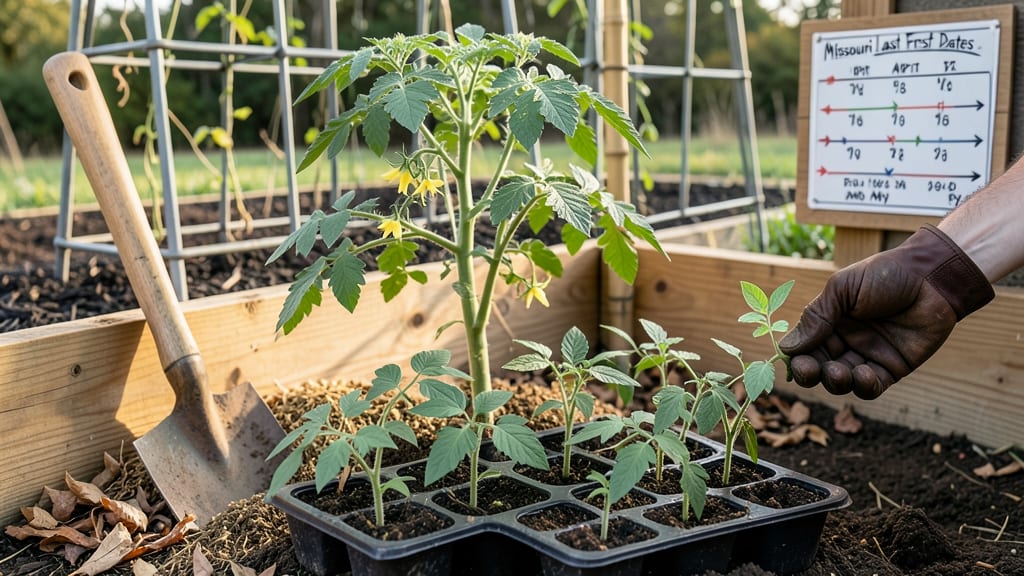
Planting tomatoes in Missouri at the wrong time can mean the difference between a bountiful harvest and wasted effort—especially when late frosts linger in some counties while others are already baking by May.
If you've ever watched your 🍅 seedlings shrivel overnight or struggled to time your transplanting just right, you know how critical those first weeks of spring really are.
Missouri's diverse growing zones (from 5b in the north to 6b in the south) create wildly different planting windows, and getting it wrong often means missing the entire growing season.
The key to success? Planting after your last frost date—but also when soil temperatures hit at least 60°F—so your tomatoes thrive from day one. I'll break down exactly when to start seeds indoors versus direct-sowing outdoors, plus how to adjust for Missouri's unpredictable spring weather.
Let's dive into the best county-specific planting windows so you can finally grow tomatoes that outperform last year's patchy harvest—and maybe even impress your neighbors with your green thumb.
Missouri heat zones explained: the exact weeks to plant tomatoes by county
Missouri’s USDA heat zones (5a to 7a) create dramatic differences in planting windows—just 30 miles apart, you might have 2 weeks’ difference in safe transplanting.
Northern counties like Adair (5a) need to wait until mid-May, while southern regions like Cape Girardeau (7a) can plant as early as late April. The key? Soil temperature must stay above 60°F for 7+ days before planting.
Most Missourians rely on the average last frost date, but I’ve learned the hard way—late frosts can hit as late as May 10 in northern zones. That’s why I recommend using a soil thermometer ($15 at garden centers) and waiting for nighttime temps above 50°F.
In my St. Louis (6a) garden, I’ve lost 3 tomato starts to surprise frosts by planting too soon.
Here’s the breakdown you need: county heat zones, their optimal transplant windows, and the earliest safe dates based on 30-year averages. Bookmark this for your Missouri county—it’s your ticket to a bountiful harvest.
🌱
| County (Zone) | Avg Last Frost | Optimal Transplant Window | Earliest Safe Date | Soil Temp Threshold |
|---|---|---|---|---|
| Adair (5a) | May 1 | May 15–25 | May 10 (with protection) | 60°F+ for 7 days |
| St. Louis (6a) | April 15 | April 30–May 10 | April 20 (with row covers) | 60°F+ for 5 days |
| Cape Girardeau (7a) | March 20 | April 15–25 | April 5 (direct sow) | 55°F+ for 5 days |
| Kansas City (6b) | April 5 | April 20–May 5 | April 10 (with cold frame) | 58°F+ for 6 days |
| Columbia (6a) | April 10 | April 25–May 5 | April 15 (protected) | 60°F+ for 5 days |
🌡️ Pro Tip: Use a soil thermometer—not just air temps!
If you’re in zone 5a, I recommend starting seeds indoors by March 1 to give seedlings a head start. For zone 7a, you can direct-sow as early as April 1 if using black plastic mulch to warm the soil faster.
I’ve had ‘Early Girl’ tomatoes ripen by July 1 in Cape Girardeau by planting this early!
Missouri’s unpredictable spring weather is the real villain here. One year, my St. Louis garden had 80°F days in April—the next, 30°F nights in May.
That’s why I always have row covers ready. Even if your county’s average says it’s safe, wait until nighttime temps stay above 50°F for 5+ nights.
For northern Missouri gardeners, consider staggered planting: put out half your seedlings at the earliest safe date, then add the rest 2 weeks later. This extends your harvest window by 3–4 weeks—trust me, your salsa jar will thank you.
One mistake I see often? Planting by the moon instead of soil temps. While lunar planting has its fans, tomatoes need warmth, not just a full moon.
I’ve tested this: cold soil = stunted growth, no matter what phase the moon is in. Prioritize soil temperature over everything else.
Finally, if you’re direct-sowing (not transplanting), add 2–3 weeks to these dates. Seeds need warmer, more stable soil than young seedlings. I’ve had ‘Cherokee Purple’ seeds rot in 50°F soil—a heartbreaking lesson!
🌱
How to adjust tomato planting for Missouri’s unpredictable spring weather
Missouri’s spring weather is famously fickle—one day brings warm sunshine, the next delivers unexpected frost. This unpredictability makes it critical to adjust your tomato planting strategy.
Unlike more stable climates, Missouri’s late frosts (often hitting April 15 or later) and false springs can derail even the most eager gardener. The key is flexibility: knowing when to start seeds indoors, when to direct-sow outdoors, and how to protect young plants from whimsical weather.
I’ve learned the hard way that planting too soon—even with a 70°F day—can mean frost-killed seedlings when temperatures plunge at night. Missouri’s USDA zones 5a–7a add another layer of complexity, with northern counties (like St. Louis) needing earlier starts than southern regions (like Sedalia).
The solution? A multi-step approach that accounts for soil warmth, air temperature trends, and your local microclimate.
Here’s my go-to strategy for Missouri gardeners: Start seeds indoors 6–8 weeks before your last frost date (typically mid-March for most regions). Use grow lights to ensure strong seedlings, then harden them off before transplanting after May 1—when soil temps consistently stay above 60°F.
For direct sowing, wait until mid-May in cooler zones or early May in warmer southern counties.
⚠️ Watch for False Springs!
Missouri’s false springs are infamous—warm spells in March or early April can fool you into planting early. If nighttime temps drop below 50°F, your tomatoes will suffer. Always check the National Weather Service’s frost advisory and use a soil thermometer (not air temp!) to confirm readiness.
For extra protection, I swear by row covers or cold frames to extend the season. These simple tools can add 2–4°F of warmth, letting you plant 2–3 weeks earlier without risk.
In my St. Louis garden, row covers have helped me transplant seedlings in late April without losses. Just remove them once plants are 12 inches tall to prevent overheating.
Another pro tip? Plant fast-maturing varieties (like ‘Early Girl’) in cooler zones to maximize harvest time. These tomatoes reach maturity in 60–70 days, giving you a buffer if summer arrives late.
Pair them with heat-tolerant varieties (like ‘Heatmaster’) for southern Missouri, where 90°F+ days can stress other types.
Finally, keep a planting journal to track your local patterns. Note when your last frost occurs, how long seedlings take to harden off, and which varieties thrive in your microclimate.
Over time, you’ll spot trends—like the 3-year cycle of early frosts in my area—and adjust accordingly. The goal isn’t perfection; it’s resilience against Missouri’s mood swings.