
Plants
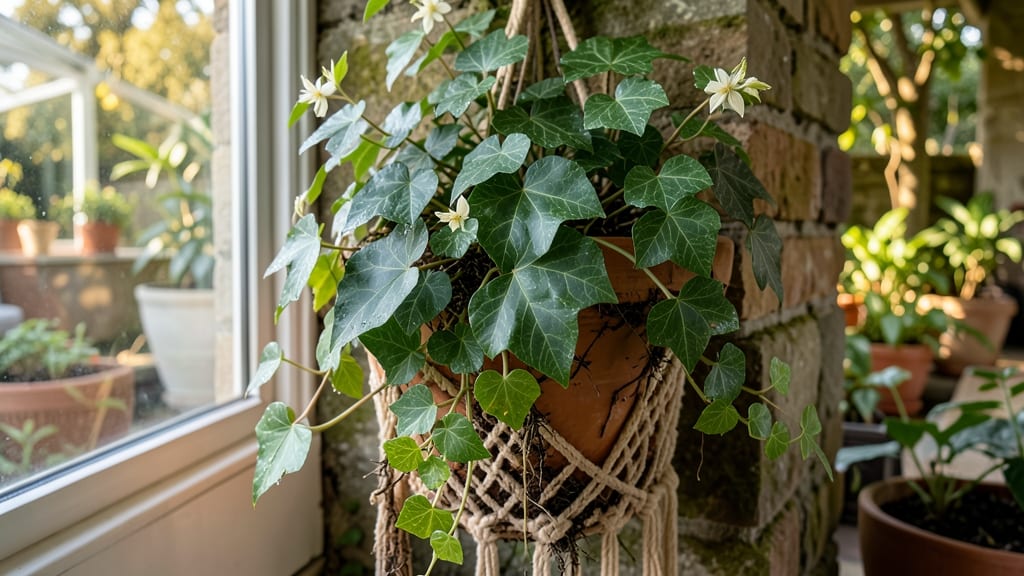
Wondering how much light does an ivy plant need to stay lush and healthy? The answer might surprise you—it’s not as simple as "more is better." Too little light and your ivy turns leggy, too much and those gorgeous leaves start to crisp at the edges.
English ivy thrives in bright indirect sunlight, making it perfect for north-facing windows or shady garden spots. But here’s the catch: it’s flexible enough to adapt to lower light conditions, as long as you spot the warning signs early.
Let’s break down exactly how to give your ivy the perfect balance so it grows strong all season long.
Whether you’re dealing with a wilted houseplant or a struggling outdoor vine, understanding light exposure is the key to keeping your ivy vibrant. I’ll share the ideal light spectrum, how to adjust for indoor vs. outdoor settings, and what to watch for when things go wrong.
Ready to transform your ivy from struggling to stunning? Let’s dive into the light requirements that’ll have your plant thriving in no time—no guesswork needed.

Ivy light requirements: the ideal spectrum from low to bright indirect sun
Ivy plants thrive in a wide range of light conditions, but finding the sweet spot between too little and too much sunlight is key. Unlike sun-loving plants, ivy prefers indirect light and can even tolerate low-light spaces, making it a versatile choice for both indoor and outdoor gardens.
Understanding the light spectrum—measured in foot-candles—helps you create the perfect environment for your ivy to flourish.
Most ivy varieties, including English ivy (Hedera helix) and Swedish ivy (Plectranthus coleoides), grow best in 300 to 2,000 foot-candles of light. This range covers everything from dim corners to bright, filtered sunlight.
For example, a north-facing window typically provides around 500 foot-candles, while an east-facing window can reach up to 1,500 foot-candles on sunny mornings. Outdoor ivy often thrives under dappled shade from trees or on shaded patios.
Here’s how to match your ivy’s light needs to its variety. English ivy is the most adaptable, tolerating everything from low light to bright indirect sun. Boston ivy (Parthenocissus tricuspidata), often used for climbing walls, prefers more light—around 1,500 to 2,000 foot-candles—to develop its vibrant fall colors.
Meanwhile, Swedish ivy thrives in moderate to low light, making it ideal for offices or bathrooms with minimal natural light.
| Ivy Variety | Ideal Light Range | Best Indoor Location | Outdoor Placement |
|---|---|---|---|
| English Ivy (Hedera helix) | 300–1,500 ft-candles | North or east window | Shady garden borders, under trees |
| Boston Ivy (Parthenocissus tricuspidata) | 1,500–2,000 ft-candles | South or west window with sheer curtains | Sunny walls, trellises in partial sun |
| Swedish Ivy (Plectranthus coleoides) | 200–1,000 ft-candles | Dim corners, bathrooms, offices | North-facing patios, shaded indoor-outdoor spaces |
To test your space’s light levels, use a simple DIY light meter. Place your ivy near a window for a few days and observe its leaves. If the leaves stay dark green and glossy, the light is ideal.
If they turn yellow or brown, it’s likely too much direct sun. Conversely, if the leaves appear pale or stretched, your ivy needs more light. Adjusting the position of your plant—even rotating it quarter-turns weekly—helps ensure even growth.
Indoor ivy often struggles with low winter light when daylight hours shorten. Supplement with a grow light (12–14 hours/day) if natural light drops below 500 foot-candles. For outdoor ivy, watch for midday sun in summer, which can scorch leaves.
Providing afternoon shade with a lightweight sheer curtain or moving potted ivy to a shadier spot can prevent damage. Remember, ivy’s flexibility is its superpower—it’s far easier to recover from too little light than from sunburn.
For container-grown ivy, choose pots with drainage holes to prevent root rot, especially in low-light conditions where soil stays damp longer. A well-draining potting mix with perlite or orchid bark improves aeration.
If your ivy starts to outgrow its pot, repot it in spring using a container just 1–2 inches larger in diameter. This encourages root development without overwhelming the plant.
Outdoor ivy planted in shady garden beds benefits from a mulch layer (2–3 inches of shredded bark or leaves) to retain moisture and regulate soil temperature. In dry climates, water deeply once a week to compensate for reduced humidity.
For indoor ivy, mist the leaves occasionally to mimic the higher moisture levels of its natural habitat. This is especially important in dry winter air caused by heating systems.
If
Signs your ivy isn’t getting enough (or too much) light—and how to fix it
Ivy plants are masters of adaptability, but even they send clear distress signals when their light requirements aren’t met.
Yellowing leaves, leggy growth, or brown patches aren’t just random—these are your plant’s way of saying, "I need help!" Let’s decode these signs and turn your struggling ivy into a thriving green wall.
First, watch for pale or yellowing leaves, especially on newer growth. This is your ivy’s way of telling you it’s craving more light. When light-starved, ivy stretches toward any available source, creating those long, weak stems with sparse leaves—a classic sign of etiolation.
On the flip side, if leaves develop brown crispy edges or turn bleached white, your ivy is suffering from too much direct sun.
🌿 Quick Fix: Move your ivy to a spot with bright indirect light—think east-facing windows or dappled shade outdoors. If your home lacks natural light, a grow light (12-14 hours/day) can bridge the gap until you find the perfect spot.
For outdoor ivy, check the direction of sunlight. If leaves scorch in the afternoon, provide afternoon shade with a sheer curtain or lattice. Conversely, if growth slows in winter, supplement with a south-facing window or LED grow bulb to maintain energy levels.
💧 Pro Tip: Rotate your ivy plant quarter-turns every week to ensure even light exposure. This prevents one-sided growth and helps leaves develop rich, even color. If you notice white powdery spots (a sign of stress), reduce direct sun immediately and increase humidity with a pebble tray.
One of the most common mistakes is assuming "more light is always better". While ivy tolerates low-light conditions, it thrives in bright indirect light.
The key is balance—think of it like a goldilocks zone: not too dim, not too harsh, but just right for lush, vibrant growth.
🪴 DIY Light Test: Hold a white sheet of paper near your ivy for 5 minutes. If the paper brightens noticeably, your ivy is getting enough light. If it stays dull, it’s time to relocate or supplement with artificial light.
For outdoor ivy, observe leaf patterns—uniform green means happy ivy; variegated brown means too much sun.