
Plants
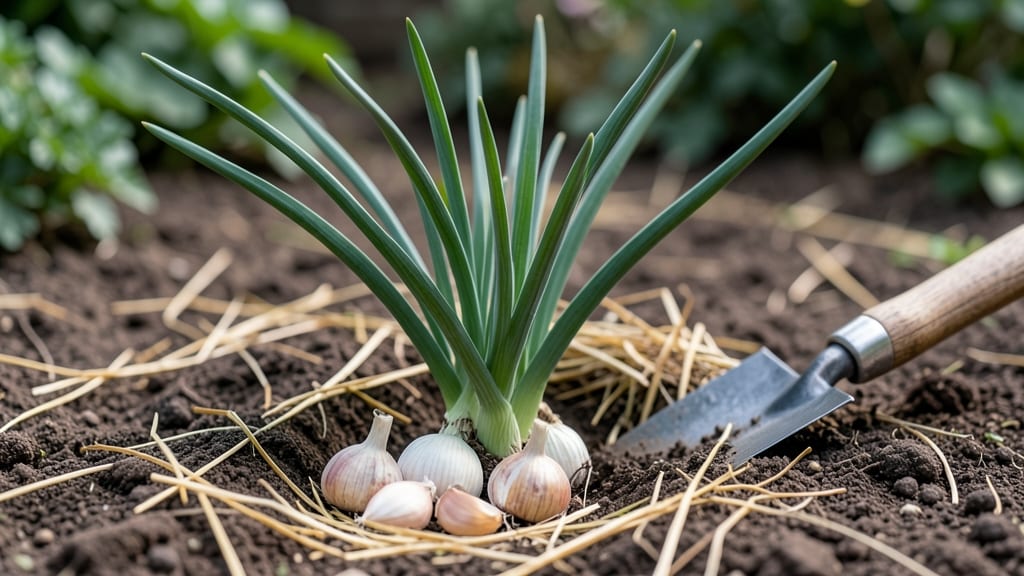
Planting garlic at the wrong time in North Carolina can turn your 🧄 harvest dreams into disappointment—because timing isn’t just about months, it’s about climate zones and variety types. Whether you’re growing hardneck garlic for bold flavor or softneck for storage, getting it in the ground too early or late means smaller bulbs or no harvest at all.
Here’s the truth: North Carolina’s Piedmont, Coastal Plain, and Mountain regions all have different frost dates, and hardneck vs. softneck garlic respond differently to them. Miss the ideal window, and you’ll either waste seeds or end up with stunted growth.
But don’t worry—I’ll walk you through the exact planting schedule for each zone, plus pro tips to maximize your yield.
You’ll discover why fall planting is critical for hardneck varieties in the Mountains, while softnecks in the Coastal Plain sometimes get a second chance in early spring.
I’ll also cover soil prep, mulching strategies, and how to adjust for NC’s unpredictable weather—so you can avoid common mistakes that ruin garlic crops.
Ready to grow plump, flavorful garlic that rivals store-bought? Let’s dive into the best months, soil secrets, and zone-specific tricks to make your harvest the best it can be.
North Carolina garlic planting calendar: hardneck vs softneck months by climate zone
North Carolina’s diverse climate—from the frost-prone Mountains to the warmer Coastal Plain—means garlic planting times vary dramatically. Hardneck varieties thrive in cooler zones, while softneck types tolerate milder winters. For best results, plant garlic when soil temps drop below 80°F but stay above 40°F.
Most NC gardeners plant garlic in fall (October–December), letting cloves establish roots before winter. Spring planting is possible but yields smaller bulbs. The key difference? Hardnecks need cold vernalization, while softnecks can handle milder winters.
Here’s your region-specific planting guide for North Carolina:
| Garlic Type | Best Planting Window (NC Regions) | Soil Temperature Requirement | Key Success Factors | Expected Harvest Time |
|---|---|---|---|---|
| Hardneck (e.g., Rocambole, Purple Stripe) | Mountains: Oct 1–Nov 15 Piedmont: Oct 15–Dec 1 Coastal Plain: Nov 1–Dec 15 |
40°F–60°F (4°C–15°C) | Cold vernalization (4–6 weeks below 40°F), heavy mulch (6+ inches straw) | Late June–July (hardneck scapes first!) |
| Softneck (e.g., Silverskin, Artichoke) | Mountains: Nov 1–Dec 15 Piedmont/Coastal: Nov 15–Dec 31 |
50°F–65°F (10°C–18°C) | Warmer soil tolerance, lighter mulch (3–4 inches), avoid winter wetness | July–August (larger bulbs, no scapes) |
🌱 Pro Tip: Test soil temps with a soil thermometer—plant when temps stabilize below 60°F.
North Carolina’s USDA Zones 5–8 create microclimates where even neighboring counties may differ by 2–3 weeks in planting windows. For example, Asheville (Zone 7) can plant hardnecks by October 1, while Wilmington (Zone 8) waits until November 15.
Soil prep is critical: Amend clay-heavy Piedmont soils with compost to improve drainage, while sandy Coastal Plain soils benefit from organic matter to retain moisture. Aim for a pH of 6.0–7.0—NC’s acidic soils often need lime adjustments.
Mulching is non-negotiable in NC’s freeze-thaw cycles. Use straw (not hay) for hardnecks—it insulates roots while allowing airflow. For softnecks, a light layer of leaves suffices in milder zones like the Coastal Plain.
Harvest timing depends on variety: Hardnecks signal readiness when lower leaves brown (late June), while softnecks wait until half the lower leaves yellow (July–August). Cure harvested garlic in a shady, dry, well-ventilated spot for 2–4 weeks.
Missed the fall window? Don’t panic—spring planting (February–March) works for softnecks, though bulbs will be 30–50% smaller. Hardnecks planted in spring may bolt prematurely due to lack of vernalization.
🌿 Remember: NC’s unpredictable weather means flexibility is key. Monitor forecasts and adjust mulch layers if unseasonable warmth arrives early.
5 Critical factors that determine your garlic’s success in North Carolina
North Carolina’s diverse climate—from the Coastal Plain’s humidity to the Mountains’ cold snaps—means garlic thrives only when you nail these five critical factors. Skipping even one can shrink your harvest or invite pests like thrips. Let’s break it down so your garlic grows bold and flavorful.
First, soil pH and organic matter make or break your bulbs. NC’s clay-heavy soils in the Piedmont need compost or aged manure to loosen them, while sandy Coastal Plain soils benefit from peat moss or coconut coir.
Aim for a pH between 6.0 and 7.0—garlic hates acidic soil. Test yours before planting!
🌱 Numbered Highlights: Garlic Success in NC
- Soil pH 6.0–7.0 + 30% organic matter for max bulb size.
- 4-inch spacing for hardneck, 6-inch spacing for softneck varieties.
- 4–6 inches deep—shallow planting = poor root development.
- Straw mulch (4–6 inches) in winter to prevent frost heave; remove in spring.
- Thrips and rust are NC’s top garlic enemies—spray neem oil preventively.
Next, planting depth and spacing directly impact yield. Hardneck varieties like ‘Music’ or ‘German White’ need 4-inch spacing in rows 12 inches apart, while softnecks like ‘Artichoke’ thrive with 6-inch spacing. Plant cloves 2 inches deep—any shallower, and they’ll rot; deeper, and they’ll struggle to sprout.
Don’t overlook mulching strategies for NC’s wild winters. A 4–6 inch layer of straw insulates cloves from frost heave (when freezing/thawing cycles push bulbs out of the soil).
In the Coastal Plain, add a lightweight row cover if temps drop below 20°F. Remove mulch in early spring to prevent rot.
Pests and diseases are your silent harvest killers. North Carolina’s humid summers invite thrips (tiny bugs that stunt growth) and rust fungus (orange spots on leaves). Start with neem oil sprays every 2 weeks in spring, and remove volunteer garlic (wild sprouts) immediately—they compete for nutrients and spread disease.
Finally, fertilizing timing matters more than type. In NC’s humid summers, avoid nitrogen-heavy fertilizers—they promote leafy growth at the expense of bulbs. Instead, use a balanced 5-10-10 NPK in early spring and late summer. Skip fall fertilizing; garlic stores energy for next year’s growth.
Master these five factors, and you’ll grow plump, flavorful garlic bulbs even in NC’s tricky climate. Start with soil prep, and the rest will follow—no guesswork needed! 🌱