
Companion Plants
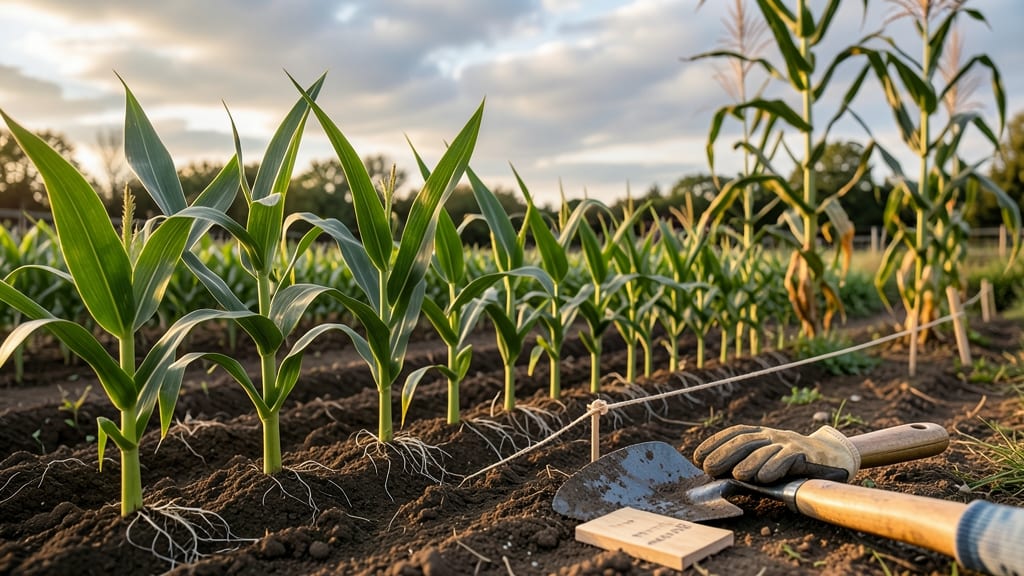
Timing your 🌽 corn planting in Connecticut isn’t just about checking a calendar—it’s about playing the frost-free countdown like a pro. Plant too soon, and a late spring freeze could turn your tender seedlings into sad, mushy memories.
But get the soil temperature right (we’re talking 60°F+), and you’ll be harvesting golden ears by midsummer.
Here’s the kicker: Connecticut’s 5b-6b zones mean your neighbor’s perfect planting window might not work for you. Coastal areas warm up faster than inland spots, and a 3-day delay can mean the difference between a bumper crop and a sad, stunted patch.
I’ll show you how to read your soil’s temperature cues instead of guessing by the moon.
Whether you’re growing sweet corn for dinner or dent corn for livestock, the right variety matters just as much as the timing. Some types mature in 60 days, while others take nearly 100 days—and in CT’s short growing season, those extra weeks can make or break your harvest.
Let’s break down the best bets for your microclimate.
Ready to ditch the guesswork? I’ll walk you through soil prep, frost-risk tools, and even how to stretch your growing season with a few smart tricks. By the end, you’ll know exactly when to plant your 🌽 corn for maximum yield—no more crossed fingers at frost check.
Connecticut corn planting dates: soil temperature triggers over calendar months
Corn thrives when soil temperatures hit 50-60°F, not just calendar dates. In Connecticut, this often means waiting until late April to early May, but coastal areas like New London may need to delay until mid-May due to slower warming.
Relying on calendar months alone? That’s risky—last frosts can hit as late as May 15th in inland zones like Hartford.
Use a soil thermometer to confirm readiness—corn roots need warmth to germinate. If your soil stays below 50°F for more than a week, hold off planting. Even a 32°F dip after planting can stunt growth or kill seedlings.
Here’s how Connecticut’s 6 climate regions differ:
- Coastal (Zone 6b): Warmer earlier, but salt spray delays planting.
- Inland (Zone 5b): Needs to wait for soil to warm fully.
Sweet corn varieties like ‘Ambrosia’ (65-day maturity) need earlier planting than dent corn (90+ days). Short-season varieties are your best bet for CT’s 165-day frost-free window.
Pro tip: Plant black plastic mulch 2 weeks before sowing to raise soil temps by 5-10°F. This trick works especially well in Zone 5b areas where springs linger cold.
🌱
🌽 Connecticut Corn Planting Guide
| Factor | Coastal CT (Zone 6b) | Inland CT (Zone 5b) |
|---|---|---|
| Ideal Planting Window | Mid-April to mid-May | Late April to early May |
| Soil Temp Threshold | 50-60°F (warms faster) | 55-65°F (slower to warm) |
| Last Frost Risk | May 1-15 | May 10-25 |
| Best Varieties | ‘Silver Queen’ (70 days) | ‘Ambrosia’ (65 days) |
| Harvest Window | July 15 - Aug 15 | July 20 - Aug 20 |
⚠️ Note: Coastal areas may experience earlier harvests but risk salt spray damage.
For succession planting, stagger seeds every 2 weeks until early June. This ensures a steady supply of fresh ears—critical since corn’s peak sweetness lasts only 2-3 days after harvest.
If you’re tempted to plant earlier, try biodegradable seed starters or row covers to protect seedlings. But remember: corn won’t tolerate frost, even as mature plants. A 50°F night can turn sweet kernels starchy overnight.
🌿
Test your soil’s readiness with this trick: Press your hand into the soil. If it feels warm like a baby’s skin (not cold like a fridge), it’s time to plant. Pair this with a soil thermometer reading for accuracy.
In Zone 5b areas, consider early-maturing hybrids like ‘Peaches and Cream’ (60 days). These varieties can mature before late-summer heat stresses plants, a common issue in CT’s humid summers.
How to calculate your frost-free window for corn in Connecticut
Determining your frost-free window is the key to successful corn planting in Connecticut. Unlike calendar dates, this method accounts for your local climate patterns and gives you a precise timeline for planting heat-loving corn.
Start by checking your USDA zone—most of Connecticut falls in zones 5b-6b, but even within these zones, microclimates vary significantly.
Use the National Oceanic and Atmospheric Administration (NOAA) or local Cooperative Extension Service resources to find your average last frost date. In Connecticut, this typically ranges from mid-April in coastal areas to early May inland.
However, frost can strike unexpectedly, so always plan for a 10-day buffer after your average date to ensure safety.
- Step 1: Identify your USDA zone (5b-6b for CT) and find your average last frost date.
- Step 2: Add 10-14 days to your last frost date to account for late frosts.
- Step 3: Subtract 60-90 days (corn’s maturity range) from your first frost date (mid-October) to find your planting window.
- Step 4: Verify soil temperature (use a soil thermometer) to confirm it’s 50-60°F.
- Step 5: Plant 2-3 weeks before your calculated window to ensure optimal growing conditions.
For example, if your last frost date is May 1st and your first frost is October 15th, your frost-free window is roughly 167 days. Subtract 70 days (ideal maturity for sweet corn), and you’ll land in mid-April—the perfect time to start planting.
However, if you’re growing dent corn (which takes 90-100 days), you’ll need to plant even earlier, around late March.
Extend your growing season with black plastic mulch or row covers to warm the soil faster and protect young plants. These methods can push your planting window 2-3 weeks earlier, giving you a longer harvest season.
Just be sure to remove covers once plants are 6 inches tall to avoid overheating.
Monitor local weather forecasts closely in late April and early May, as cold snaps can still occur. If frost is predicted, use frost cloth or lightweight row covers to shield your corn until the threat passes.
Remember, corn is sensitive to cold—temperatures below 50°F can stunt growth, while below 32°F will kill young plants outright.
Once you’ve calculated your frost-free window, mark it on your calendar and prepare your garden beds. The goal is to have healthy, established plants before the last frost, ensuring a bountiful harvest by midsummer.
With this method, you’ll avoid the common pitfalls of planting too early or too late, maximizing your chances for success.