
Plants
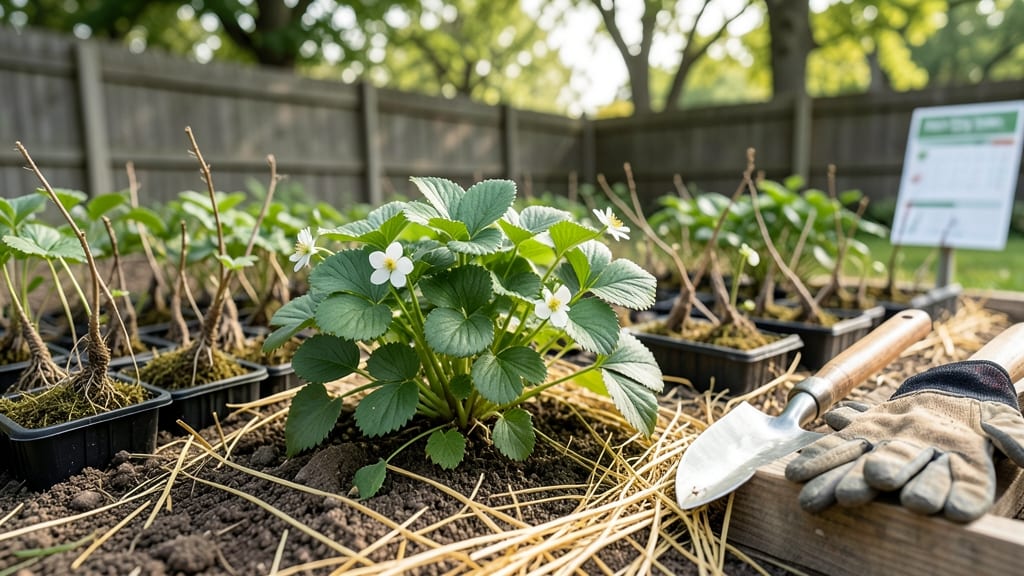
Planting strawberries in California might seem simple, but timing is everything—get it wrong, and you risk frost damage or stunted growth. The key lies in matching your region's chill hours to the right varieties, whether you're in coastal zone 9b-10 or inland zone 8-10.
Unlike other crops, strawberries thrive when planted during cooler months, setting the stage for a spring-to-early-summer harvest that's both bountiful and sweet.
For most of California, fall planting (September through November) is ideal, giving roots time to establish before winter rains arrive. But coastal areas? You can plant year-round thanks to their mild climate. The trick is understanding how chill hours—those critical cold snaps—affect different strawberry types, from June-bearing to everbearing varieties.
I’ve tested this firsthand in my own garden, and what I’ve learned will save you from common mistakes like planting too early in inland areas (where frost can still hit) or too late in Southern California (where heat stress becomes an issue).
Let’s break down the best planting windows for your specific microclimate, so you can enjoy 🍓 harvests that rival the pros.
Ready to dig in? You’ll discover exactly when to plant—whether you’re working with bare-root plants or potted varieties—and how to prep your soil for maximum success. No more guesswork, just reliable, flavorful strawberries all season long.
California strawberry planting zones by chill hours: match varieties to your location
California’s strawberry varieties thrive when planted at the right time, but the chill-hour requirements vary dramatically across regions. Northern California’s cool winters (like Sacramento) need 900+ chill hours, while Southern California’s mild winters (like San Diego) only require 300-500 chill hours.
Choosing the wrong variety can mean poor fruit set or no harvest at all.
Most June-bearing strawberries need the most chill hours (700-1,000+), making them ideal for Northern and Central California. Everbearing and day-neutral varieties, however, adapt better to Southern California’s warmer winters with lower chill-hour needs. Let’s break down the best matches for your location.
📌 Key Tip: Check your local USDA Zone (8-11 in CA) and average frost dates—coastal areas rarely freeze, while inland valleys can see light frosts. Planting at the right time ensures your strawberries get the chill hours they need to flower and fruit.
For Northern California, aim to plant June-bearing varieties like Chandler in October or November to ensure they get enough chill hours before spring. These varieties produce one large harvest but require consistent cold exposure to set fruit.
In Southern California, day-neutral varieties like Seascape or Camarosa thrive year-round with minimal chill hours. Plant them in late summer (August-September) to avoid heat stress and take advantage of mild winter temperatures.
If you’re unsure about your local chill hours, check with your Cooperative Extension office or use a weather station app to track temperatures. Everbearing varieties are a great middle-ground option for regions with 500-700 chill hours, like the Central Coast, as they produce fruit in both spring and fall.
Pro tip: Bare-root plants (sold without soil) should be planted in cool, moist soil to reduce transplant shock, while potted plants can be planted year-round but may need extra care in summer heat. Always water deeply after planting to help
Step-by-step planting timeline for California’s 3 climatic regions
California’s three distinct climates—Northern CA, Central Coast, and Southern CA—each demand unique planting strategies. My month-by-month guide ensures you plant strawberries at the perfect time, whether you’re in frost-prone Sacramento or frost-free San Diego.
Let’s break it down by region for a reliable harvest.
For Northern California (e.g., Sacramento Valley), aim for fall planting in October-November to take advantage of cool winter dormancy and spring harvests. Coastal areas like San Francisco can plant year-round, but September-October is ideal for everbearing varieties.
Southern California’s mild winters allow planting from September through March, with November-December being the sweet spot.
📅 Step-by-Step Planting Timeline
- September-October: Prep soil with compost and balanced fertilizer (10-10-10). Choose bare-root plants for Northern CA or potted varieties for Southern CA.
- October-November: Plant June-bearing varieties in Northern CA. Space 12-18 inches apart and mulch with straw to protect roots.
- November-December: Southern CA’s turn! Plant everbearing or day-neutral varieties. Use row covers if frost threatens (rare in SoCal but possible in inland areas).
- January-February: Coastal areas can plant potted strawberries for spring harvests. Northern CA: Monitor for frost and water deeply if soil dries.
- March-April: All regions can plant day-neutral varieties for continuous harvests. Prune old leaves to encourage new growth.
💡 Pro Tip: Water deeply after planting to settle soil and reduce transplant shock.
In Northern California, frost protection is key. Use row covers or mulch heavily in December-January to shield plants from 32°F+ frosts. Meanwhile, Southern California gardeners can skip frost prep entirely but should water consistently during dry winter months to prevent stress.
Coastal areas benefit from even moisture year-round, thanks to fog and ocean breezes.
After planting, focus on soil health. Amend beds with aged compost every 3-4 months to replenish nutrients. In summer, shade cloth can protect fruiting plants from intense Southern CA sun, which can cause sunburn on berries.
Mulch with straw or wood chips to retain moisture and suppress weeds—critical in drought-prone inland areas.
Timing your second planting in late summer (August-September) extends harvests. Choose day-neutral varieties like Seascape or Albion for continuous production. These thrive in mild coastal winters and hot inland summers, making them California’s top performers.
Just remember: water deeply and avoid overhead irrigation to prevent fungal diseases like gray mold.
By following this region-specific timeline, you’ll enjoy sweet, juicy strawberries from spring through fall, regardless of where you garden in California. The key? Match varieties to chill hours, protect from frost, and keep soil moist—especially during summer’s peak heat. Happy planting! 🌱