
Companion Plants
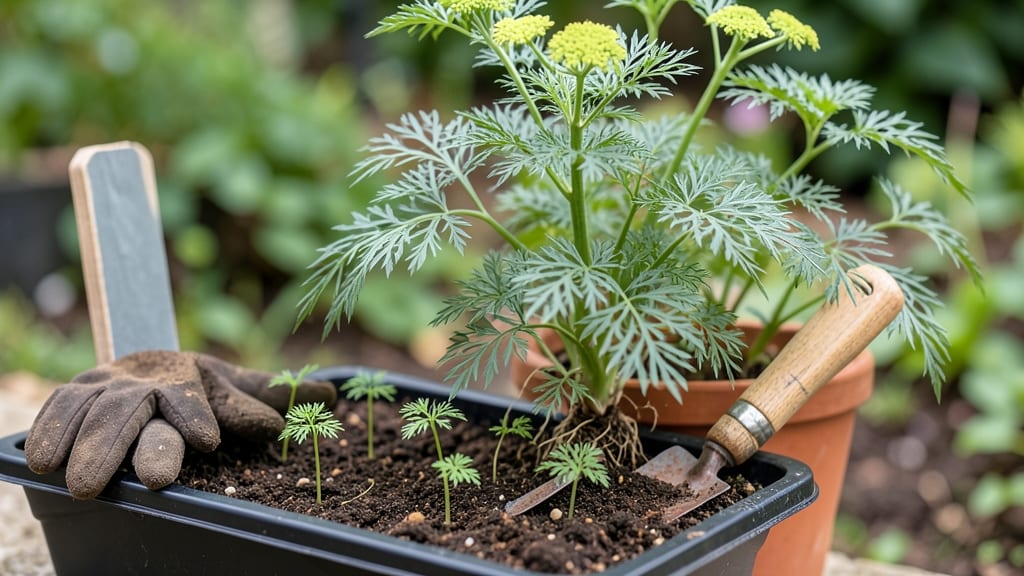
Planting dill in Southern California might seem simple—after all, frost is rarely a concern—but timing still matters if you want a steady harvest all year.
Unlike colder climates, SoCal’s year-round growing potential means you can sow dill almost anytime, but strategic planting ensures you avoid the heat of summer or the damp chill of winter. The key? Aligning your schedule with the region’s microclimates, whether you’re in coastal Santa Barbara or inland Palm Springs.
Most gardeners in USDA zones 9b-10a swear by fall and early spring plantings, but why stop there? With the right approach, you can extend your dill harvest into summer by using shade cloth or succession planting every 3-4 weeks.
The goal isn’t just to plant once and forget it—it’s about working with SoCal’s unpredictable shifts, from coastal fog to desert heat.
Here’s the game-changer: Dill thrives in cooler weather, so timing your sowing to avoid the hottest months (July-August) means fewer bolting plants and more flavorful leaves. Whether you’re a coastal gardener or inland, I’ll break down the best windows to maximize your harvest—no frost worries, just fresh dill on demand.
Ready to unlock the secrets? Let’s dive into the exact months and microclimate hacks that’ll keep your dill growing strong, no matter where you are in Southern California.
Southern California dill planting calendar: frost-free zones explained
Southern California’s frost-free growing season makes dill one of the easiest herbs to cultivate year-round. Unlike northern climates, you won’t need to worry about last frost dates—but microclimates still play a huge role in determining the best planting windows for optimal growth.
Coastal areas like Malibu or San Diego enjoy milder winters, while inland regions like Palm Springs or Riverside can experience sudden heat spikes.
The key to success? Planting dill when soil temperatures stay consistently above 50°F (10°C)—the minimum for germination. In most of SoCal, this means you can sow seeds almost anytime, but strategic timing maximizes harvests.
For example, fall planting (September-November) gives you fresh dill through the cooler months, while spring sowing (February-April) aligns with peak flavor development.
🌱 Southern California Dill Planting Guide
| Region | Best Planting Window | Soil Temp | Harvest Window |
|---|---|---|---|
| Coastal (LA, San Diego) | Year-round (peak: Sep-Mar) | 50-75°F (10-24°C) | 3-10 months after sowing |
| Inland (Orange County, Riverside) | Oct-Apr (avoid summer heat) | 55-70°F (13-21°C) | 2-8 months after sowing |
| Desert (Palm Springs, Coachella) | Sep-Nov & Feb-Apr | 60-75°F (16-24°C) | 2-6 months after sowing |
💡 Pro Tip: Coastal areas can handle winter sowing for spring harvests, while desert zones should avoid summer planting due to bolting.
For coastal gardeners, the cool, foggy winters create perfect conditions for dill to thrive without bolting (premature flowering). I’ve had success sowing seeds as early as September for harvests by November, then again in February for summer dill.
The Pacific Ocean’s cooling effect keeps soil temperatures ideal for germination even in late fall.
Inland areas like Orange County or Riverside experience more extreme temperature swings. Here, I recommend two planting cycles: the first in early October to capitalize on fall rains, and the second in late February before the heat of summer sets in.
The Santa Ana winds can dry out soil quickly, so mulching with straw helps maintain moisture during these critical germination stages.
Desert regions present unique challenges. While Palm Springs and Coachella Valley enjoy 300+ days of sunshine, the intense heat causes dill to bolt rapidly. My strategy? Plant in early fall (September) when nights cool down, and again in late winter (February) before temperatures climb above 85°F (29°C).
Shade cloth (30-50%) becomes essential during peak summer months to prevent seed production before the plant matures.
Regardless of your SoCal location, succession planting every 2-3 weeks ensures a continuous supply of fresh dill. For example, if you sow seeds on September 1st, September 15th, and October 1st, you’ll have staggered harvests through December and January.
This method works especially well for coastal and inland regions where frost isn’t a concern.
One common mistake I see is overlooking soil preparation. Dill prefers well-draining, slightly sandy soil with a pH between 6.0 and 7.0. Before planting, amend your garden beds with compost or aged manure to improve fertility.
In urban containers, use a lightweight potting mix with perlite to prevent root rot—a risk in SoCal’s occasional heavy rains.
For organic gardeners, consider companion planting dill with cucumbers, tomatoes, or cabbage. These pairings deter pests naturally while improving flavor. Just avoid planting near carrots or onions, as dill can stunt their growth.
In my San Diego garden, I’ve noticed dill repels aphids and spider mites, making it a valuable addition to any vegetable patch.
Remember: dill is a biennial, meaning it can self-seed prolifically in SoCal’s mild winters. If you’re not careful, you might end up with volunteer plants popping up everywhere next spring!
To control this, I deadhead spent flowers or thin seedlings to 12 inches apart—this ensures stronger, more flavorful stems for harvesting.
With these region-specific timing tips, you’ll enjoy fresh dill year-round without the stress of frost or heat-related bolting. Next, we’ll explore microclimate hacks to push your dill’s growing season even further—including shade solutions for desert zones and mulching techniques for coastal fog belts. 🌿
Microclimate hacks to extend dill’s growing season in SoCal
Southern California’s diverse microclimates—from coastal fog belts to inland heat islands—create unique challenges for growing dill. While dill thrives year-round in most of SoCal, coastal areas stay cooler longer, while desert valleys can bake seeds before germination. Here’s how to adapt your planting strategy to maximize harvests.
Start by understanding your local conditions: coastal zones (like Santa Barbara) can handle fall plantings into December, while inland areas (like Riverside) should avoid sowing after mid-May to prevent heat stress. Even within cities, urban heat islands can push temperatures 10°F+ higher than surrounding areas—so monitor your specific zone.
For coastal gardeners, use row covers or cold frames to extend fall harvests into late winter. In desert regions, opt for shade cloth (30-50%) during peak summer months to protect young seedlings. These simple adjustments can add 2-3 extra months of harvestable dill compared to unprotected plantings.
- 🌬️ Coastal Fog Zones: Plant September-October for winter harvests; use drip irrigation to prevent fungal issues from persistent moisture.
- 🏜️ Desert Valleys: Sow November-January when temps drop below 85°F; mulch heavily to retain moisture.
- 🏙️ Urban Heat Islands: Choose shade-tolerant varieties (like 'Bouquet') and plant near west-facing walls for afternoon shade.
- ⏳ Succession Planting: Sow new batches every 2-3 weeks from January-May for continuous harvests.
- 🌡️ Heatwave Protection: During 90°F+ spells, water deeply at dawn and provide 30% shade cloth for 2-3 weeks.
Don’t overlook mulching strategies—a 2-3 inch layer of straw or wood chips keeps soil temps stable and reduces watering needs by 30-40%. For container gardening, use self-watering pots with coco coir mix to prevent drying during summer’s peak heat.
Timing your succession plantings is key: aim for 4-6 week intervals between sowings to ensure a steady supply. For example, if you plant your first batch in January, follow up with batches in February, March, and April—this staggered approach guarantees fresh dill from March through October.
Pro tip: Save seeds from your best-performing plants! Dill self-seeds readily in SoCal’s mild winters, so let a few stalks go to seed in late summer. Collect seeds in September-October for next year’s free, region-adapted plants—nature’s way of beating microclimate challenges.