
Companion Plants
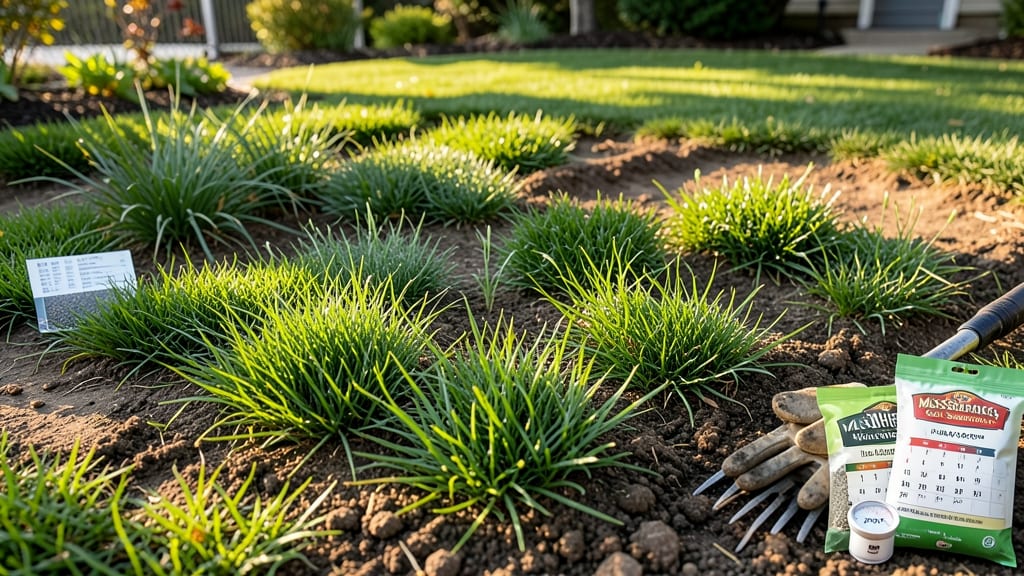
If you're still debating when it is too late to plant grass in Massachusetts, the clock is ticking—and missing the deadline could mean a weak, patchy lawn next spring.
Cool-season grasses like Kentucky bluegrass and fine fescue need 6-8 weeks to establish strong roots before winter sets in, and waiting too long risks frost damage or weed takeover.
For most of Massachusetts (USDA Zones 5b-6b), the ideal window closes around mid-to-late September, but exact timing depends on soil temperatures and frost dates. Planting after October 15 often leaves seedlings vulnerable, especially in northern regions where frost arrives earlier.
The good news? With the right seed variety and care, you can still push your deadline by a few weeks.
I’ll break down the exact last planting dates for your zone, warning signs your lawn might fail, and 3 grass varieties that handle late-season planting best.
Whether you’re seeding a new yard or repairing bare spots, these insights will help you avoid costly mistakes—and get that lush green lawn you’re dreaming of.
Don’t let uncertainty stop you—let’s make sure your grass gets the strong start it needs before winter arrives. The right timing (and a little extra prep) can make all the difference between a thin, patchy lawn and one that thrives year after year.
Massachusetts fall grass planting deadlines by USDA zone (2024 guide)
Massachusetts’ USDA Zones 5b-6b create a tricky timeline for fall grass planting—too early, and weeds take over; too late, and frost kills seedlings. The ideal window is mid-August to early September, but regional microclimates shift deadlines by weeks. Understanding your exact zone helps avoid patchy lawns next spring.
For Western MA (Zone 5b), the last safe planting date is September 15, while Eastern MA (Zone 6a) can push it to October 1. Soil temperature drops below 50°F after these dates, slowing germination. Use a soil thermometer to confirm—consistent 50°F+ is non-negotiable for seedling success.
🌱
| USDA Zone | Last Planting Date | Soil Temp Threshold | Frost Risk | Actionable Tip |
|---|---|---|---|---|
| 5b (Western MA) | September 15 | 50°F+ consistently | High after 9/20 | Use ryegrass mixes for faster germination |
| 6a (Eastern MA) | October 1 | 50°F+ consistently | Moderate after 10/10 | Add mulch layer to insulate seedlings |
| Coastal MA (6a) | October 10 | 55°F+ consistently | Lowest risk zone | Prioritize fine fescue blends for cold tolerance |
Don’t assume your yard follows the zone average—microclimates matter. A south-facing slope in Zone 5b might stay warm enough for September 25 planting, while a north-facing low spot could freeze by September 10. Test your soil with a $10 digital thermometer for 3 days to confirm readiness.
If you’re planting near the deadline, pre-warm your soil by removing snow in early spring and using black plastic mulch for 2 weeks before seeding. This buys you 10-14 extra days of viable growing time—critical for borderline cases.
🌡️
Grass seed needs 4-6 weeks to establish roots before winter dormancy. Planting after October 15 in most of MA means seedlings won’t mature before the first hard frost, leaving your lawn vulnerable to winter kill and weed invasion.
The 2024 USDA frost maps show October 15-20 as the average first frost date, but coastal areas like Cape Cod can delay until November 5.
Pro tip: Use a seed germination calculator (like the one from Pennington Seed) to input your planting date and local frost data. It’ll tell you if your seedlings will reach 2-inch height before winter—the minimum for survival.
✂️
For late-September plantings, combine seed with a starter fertilizer (high in phosphorus) to jumpstart root growth. Avoid nitrogen-heavy fertilizers—they promote top growth at the expense of roots, making seedlings more frost-sensitive. Look for a 5-10-10 NPK ratio to balance the equation.
Finally, watering strategy becomes your best tool for late plantings. Use a soaker hose on a timer to deliver 0.5 inches of water daily until germination (7-14 days). After that, reduce to 3x weekly deep waterings to prevent fungal diseases like pythium, which thrives in cool, wet conditions.
Signs your late-season grass planting may fail (and how to fix it)
Even if you're planting near the fall deadline, your Massachusetts lawn can still suffer from late-season risks. Watch for these warning signs that your grass seed might not establish properly before winter sets in.
One of the biggest red flags is slow germination. If your seeds take longer than 2-3 weeks to sprout after planting, your lawn may not have enough time to strengthen before frost arrives. Cool, damp soil can delay sprouting, leaving your yard vulnerable to weeds.
Another warning is patchy growth. Uneven germination often means some seeds didn't get enough moisture or sunlight. This creates weak spots that weeds will quickly invade, making your lawn look thin and uneven by spring.
🌱
Late Planting Risks & Fixes
If you notice yellowing grass after planting, it could signal overwatering or fungal issues. Massachusetts' fall weather often brings high humidity, creating perfect conditions for diseases like snow mold. Reduce watering slightly if leaves appear mushy or discolored.
For borderline plantings in late October, consider using a winterizer fertilizer with high potassium to help roots harden off. This won't replace proper timing, but it can give your lawn a small survival advantage against early frosts.
Remember: The earlier you plant, the stronger your lawn will be. But if you've already seeded late, don't panic—proactive care can still save your investment. Monitor your lawn closely and adjust your approach based on these warning signs.