
Companion Plants
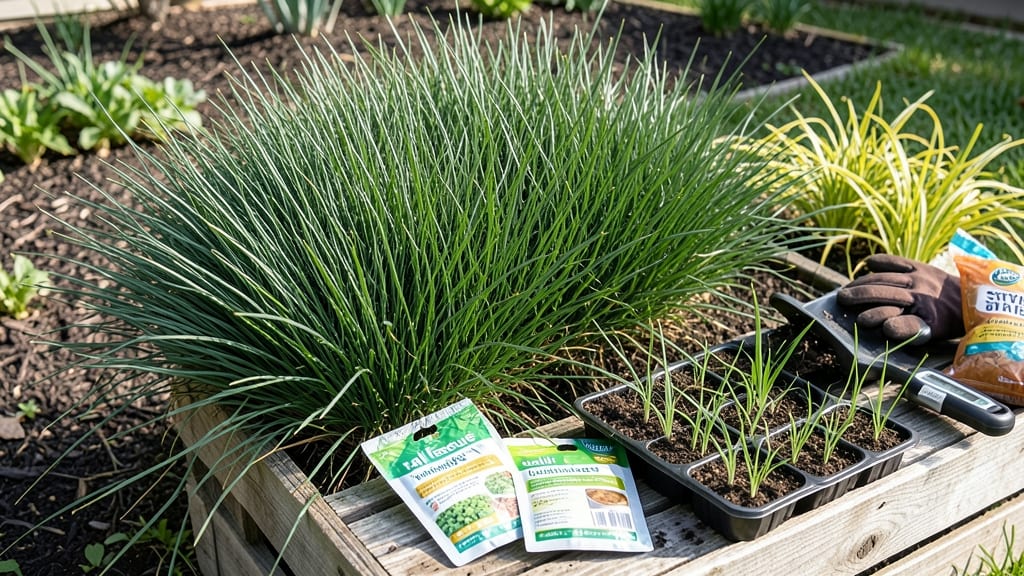
Planting grass in Georgia at the wrong time can mean slow growth, patchy lawns, or even wasted seed—but timing it right guarantees a lush, resilient lawn that outpaces weeds and drought.
The secret lies in soil temperatures, seasonal shifts, and regional microclimates—here’s exactly when to act for fast root growth and best results.
If you’ve ever stared at a calendar wondering, "When is the best time to plant grass in Georgia?" the answer isn’t just about months—it’s about soil temps. Cool-season grasses like fescue thrive when the ground hovers between 50-65°F, while warm-season types like Bermuda need 65-75°F to take off.
Georgia’s 7a-8b zones mean your neighbors’ timing might not work for you.
For most Georgia lawns, the ideal windows are early spring (March-April) or early fall (August-September), but Piedmont and Coastal Plain regions have subtle differences. Planting too late in fall risks frost damage, while summer heat can stress young 🌱 grass.
Let’s break down the exact steps to nail your timing—and avoid common mistakes that derail even the best-laid plans.
You’ll discover how to test soil temperature, choose the right grass type for your yard, and create conditions where your lawn establishes in 6-8 weeks instead of months. Ready to transform bare spots into a green carpet? Let’s get started.
Georgia’s ideal grass planting windows by soil temperature (not just months)
Georgia’s climate throws a curveball with its humid subtropical zones, where soil temperature—not just calendar months—dictates success. Cool-season grasses like tall fescue thrive when soil hits 50-65°F, while warm-season types such as bermuda grass need 65-75°F.
Planting outside these ranges risks slow germination or seed washout from heavy rains.
Northern Georgia (USDA zones 7a-7b) has cooler springs and earlier falls, while southern regions (zones 8a-8b) stretch planting windows by weeks. For example, Athens’ last frost averages March 15, but Savannah’s can linger until March 22—a critical difference for timing.
To test soil temperature yourself, bury a soil thermometer 4 inches deep in a shady spot. Wait 30 minutes for an accurate reading. If it’s below 50°F, cool-season grasses will struggle; above 75°F, warm-season types may scorch.
Here’s the golden rule: Plant 4-6 weeks before the average last frost for spring, or 6-8 weeks before the first frost in fall. This buffer ensures roots establish before summer’s intense heat or winter’s dormancy sets in.
Southern Georgia’s longer growing season means you can push spring planting into late April or even early May for warm-season grasses, but northern areas should wrap up by mid-April to avoid fungal diseases from spring rains.
| Climate Zone | Optimal Soil Temp | Best Planting Window | Grass Types |
|---|---|---|---|
| Northern GA (7a-7b) | 50-65°F | March 1–April 15 | Tall Fescue, Ryegrass |
| Central GA (7b-8a) | 55-70°F | March 15–April 30 | Bermuda, Zoysia, Fescue |
| Southern GA (8a-8b) | 60-75°F | April 1–May 15 | St. Augustine, Centipede |
| All Regions (Fall) | 65-75°F | August 1–September 15 | Ryegrass (Overseed) |
Fall planting in Georgia often gets overlooked, but it’s the best time for cool-season grasses. Soil stays warm enough for root growth but cools as winter approaches, reducing stress. Aim to finish by mid-September in northern areas to avoid early frosts.
Pro tip: Use a soil warming blanket if planting early spring in cooler zones. These $20 plastic covers raise soil temps by 10-15°F, speeding germination for slow-starting seeds like tall fescue.
Remember, Georgia’s unpredictable weather means flexibility is key. Check the National Weather Service for 7-day forecasts before planting—delay if heavy rain or heatwaves are forecasted.
Cool-season vs. warm-season grasses in Georgia: which one to plant and when
Georgia’s diverse climate means choosing the right grass type is just as important as timing. Cool-season grasses like tall fescue and ryegrass thrive in milder temperatures, while warm-season varieties such as bermuda and zoysia dominate the summer heat.
The wrong choice can lead to thin lawns or high maintenance—here’s how to pick wisely.
For northern Georgia (USDA zones 7a-7b), cool-season grasses like tall fescue are ideal for spring and fall planting, while southern Georgia (zones 8a-8b) favors warm-season grasses like bermuda, which handles summer heat and drought better.
Even within these zones, microclimates (like shady spots or sandy soil) can shift your best bet.
Here’s a quick matchup to help you decide:
Cool-Season Grasses
- Best for: Spring/Fall
- Top picks: Tall Fescue, Ryegrass
- Pros: Stays green in cooler months, low maintenance
- Cons: Goes dormant in summer heat, needs more water
Warm-Season Grasses
- Best for: Late Spring/Summer
- Top picks: Bermuda, Zoysia
- Pros: Drought-tolerant, thrives in heat
- Cons: Brown in winter, higher maintenance
If you’re in central or northern Georgia, tall fescue is my go-to for spring planting (March-April). It handles shade better than most and stays green longer into summer. For southern Georgia, bermuda grass is the drought-resistant champion—just plant it after the last frost (mid-April) to avoid winter kill.
Pro tip: Mix cool-season and warm-season grasses for a year-round green lawn. For example, plant ryegrass in fall to bridge the gap between bermuda’s summer dominance and fescue’s winter resilience. This overseeding strategy cuts down on brown patches and weed invasion.
Timing is everything—plant cool-season grasses 4-6 weeks before the last frost (usually March) and warm-season grasses after soil hits 65°F (mid-April for most of Georgia). Use a soil thermometer to check—this small tool saves you from wasted seed and slow growth.
For shady lawns, tall fescue or fine fescue are your best bets—they tolerate partial shade better than bermuda or zoysia. If your yard gets full sun, bermuda or zoysia will outperform cool-season grasses in summer heat.