
Companion Plants
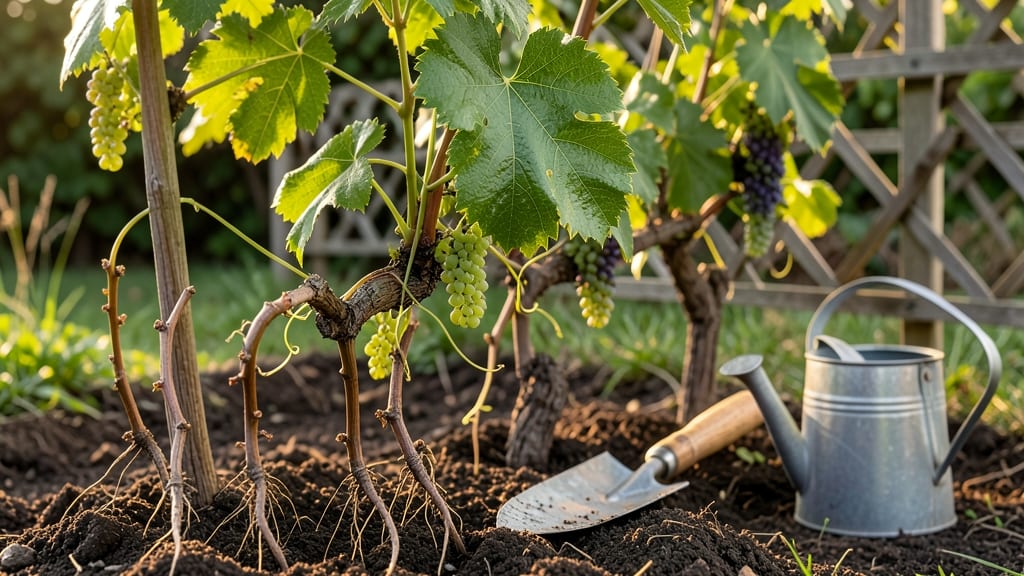
Planting grapes in Georgia at the wrong time can mean the difference between a thriving vineyard and a disappointing harvest—especially with the state's humid heat and chill-hour demands.
The key isn't just picking a random month; it's matching your grape variety to Georgia's 7b-8b zones and avoiding early frosts that strike around mid-March.
I’ve learned the hard way that timing matters more than most gardeners realize. Whether you’re growing heat-loving muscadines or chill-dependent European varieties, getting the planting window right—late winter to early spring—sets the stage for a successful harvest from August to October.
In this guide, I’ll break down exactly when to plant 🍇 grapes in Georgia’s different regions, which varieties thrive where, and how to prepare your soil for maximum success. No more guesswork—just proven strategies for your climate.
Ready to grow grapes that burst with flavor? Let’s get started with the perfect planting schedule for your Georgia garden.
Best planting months for Georgia grapes by chill-hour needs
Georgia’s three distinct climate zones—Coastal Plain, Piedmont, and Mountains—create unique challenges for grape growers. The key to success? Matching your grape variety to its chill-hour requirements and planting at the right time.
Low-chill varieties (0-400 hours) thrive in the heat, while high-chill types (800+ hours) need cooler mountain air to set fruit properly.
Most Georgia gardeners should aim for late winter to early spring planting, specifically February through March, after the last frost date (typically mid-March). However, fall planting (October-November) works for bare-root vines in cooler mountain regions, giving roots time to establish before winter dormancy.
Your chill-hour zone determines which varieties you can grow. Coastal Plain areas (like Savannah) average 300-500 chill hours, while the Piedmont (Athens) sees 600-800 hours. Mountain regions (Blue Ridge) can hit 1,000+ hours, making them ideal for European varieties like Cabernet Sauvignon.
Here’s the critical rule: Plant dormant bare-root vines when soil temperatures reach 50°F (10°C)—warmer soil speeds root establishment. In Georgia’s heat, planting too early risks rot, while waiting too long delays vine maturation and reduces first-year fruit production.
For low-chill varieties (like Muscadine), you have flexibility from February through April. Moderate-chill types (e.g., Norton) need March planting to align with bud break. High-chill European grapes should go in late February to early March in mountain zones.
| Chill-Hour Range | Best Planting Window | Georgia Regions | Soil Temp Requirement | Key Varieties |
|---|---|---|---|---|
| 0-400 hrs | Feb-Apr | Coastal Plain | 50-55°F (10-13°C) | Muscadine, Scuppernong |
| 400-800 hrs | td style="padding: 10px; border-bottom: 1px solid #ffcc00;">Late Feb-MarPiedmont | 50-55°F (10-13°C) | Norton, Catawba | |
| 800+ hrs | Late Feb-Early Mar | Mountains | 45-50°F (7-10°C) | Cabernet Sauvignon, Chardonnay |
In Coastal Plain regions, where summers are brutally hot, prioritize heat-tolerant varieties like Muscadine. These grapes handle 90°F+ temperatures better than European types. Plant in February to avoid spring heat stress on young vines.
For Piedmont gardeners, focus on moderate-chill varieties like Norton, which thrives in 600-800 chill hours. The ideal window is late February to early March, aligning with soil warming. Avoid planting after March 15th, as vines may struggle to establish before summer heat arrives.
Mountain growers have the most flexibility with European varieties, but timing is critical. Plant Cabernet Sauvignon or Chardonnay in late February to ensure roots establish before bud break. Soil temperatures in these areas stay cooler, allowing earlier planting than in lower elevations.
Pro tip: Use a soil thermometer to confirm 50°F (10°C) soil temps before planting. In Georgia’s heat, waiting for this threshold prevents root rot. For container-grown vines, you can plant 1-2 weeks earlier since potted soil warms faster.
Remember, fall planting is only viable in mountain regions (USDA Zone 7a). Plant bare-root vines in October-November, allowing roots to establish before winter dormancy. This method works poorly in humid Piedmont or Coastal areas due to fungal risks.
Best planting months for Georgia grapes by chill-hour needs
Georgia’s three distinct climate zones—Coastal Plain, Piedmont, and Mountains—each demand different planting windows for grapes. The key? Matching your grape variety’s chill-hour needs to your region’s winter temperatures.
Low-chill varieties (0-400 hours) thrive in the hotter Coastal Plain, while moderate-chill (400-800 hours) types suit the Piedmont, and high-chill (800+ hours) grapes prefer the cooler Mountains.
For all regions, late winter to early spring (February–March) is ideal. This window ensures vines establish roots before Georgia’s sweltering summer heat kicks in. However, fall planting (October–November) works for bare-root vines in USDA Zones 7b-8b, provided soil temps stay above 40°F.
Here’s how to align chill-hour needs with Georgia’s planting windows:
| Chill-Hour Range | Best Planting Window | Georgia Regions | Key Varieties |
|---|---|---|---|
| 0–400 hrs | February–March (spring) or October (fall) | Coastal Plain | Muscadine, Scuppernong |
| 400–800 hrs | Late February–early April | Piedmont | Cabernet Sauvignon, Chardonnay |
| 800+ hrs | March–April (avoid fall) | Mountains | Syrah, Riesling |
In the Coastal Plain, where summers are brutal, prioritize heat-tolerant varieties like Muscadines. They handle 90°F+ temps better than European grapes. Meanwhile, Piedmont gardeners can experiment with both types but must plant after the last frost (typically mid-March) to avoid winter dieback.
For Mountain regions, where winters are colder, high-chill varieties like Riesling excel. Plant in March–April to let vines harden off before first frost (mid-November). Avoid fall planting here—vines may not establish roots before freezing.
Pro tip: Use a soil thermometer to confirm ground temps are above 50°F before planting. Cold soil slows root growth, setting your vines up for stress and disease come summer. 🌱