
Companion Plants
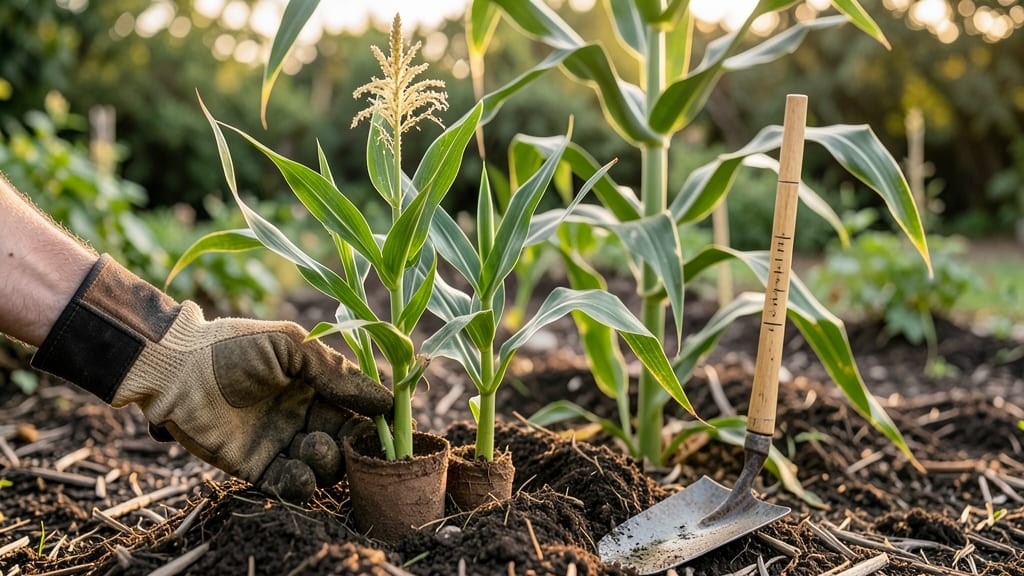
Planting corn in Montana isn’t just about waiting for spring—it’s about outsmarting frost, elevation shifts, and a 100-day race against the clock. One wrong move, and your 🌽 could go from tender shoots to icy casualties before ears even form.
But here’s the good news: with the right timing, Montana’s short growing season can still yield sweet, plump corn—if you know the secrets to beating the odds.
Most gardeners in USDA Zones 4-7 wait until mid-May to early June, but that’s just the starting line. High-altitude areas (think 7,000 ft and above) play by different rules, while lowland zones near 2,000 ft might stretch their window further.
The key? Soil temperature isn’t just a number—it’s your corn’s lifeline, and waiting for 60°F+ makes all the difference between thriving plants and a sad, stunted harvest.
This guide cuts through the guesswork, breaking down exactly when to plant by elevation, variety, and even your local microclimate.
Whether you’re growing 85-day sweet corn or 120-day dent corn, you’ll learn how to push your frost-free window just a little wider—without gambling your crop on a late spring frost or an early snow.
Ready to turn Montana’s challenges into your corn-growing advantage? Let’s dive into the frost-free window that’ll have your ears popping by late August—no matter where you are in the state.
Montana corn planting dates by elevation: lowland vs. high-altitude zones
Montana’s dramatic elevation shifts—from the Missouri River Valley at 2,000 feet to mountain valleys at 7,000 feet—create wildly different planting windows for corn. At lower elevations, you might have 100+ frost-free days, while high-altitude areas often struggle with just 80–90 days.
This means your planting date in Billings could be 3–4 weeks earlier than in Missoula or Bozeman. Understanding these zones is key to avoiding frost damage or stunted growth.
For lowland areas (2,000–4,000 ft), like Great Falls or Miles City, the last frost typically occurs between May 10–20, giving you a longer window to plant early-season varieties.
In contrast, high-altitude zones (5,000–7,000 ft), such as Butte or Whitefish, often see frost lingering until June 1–15, forcing you to choose shorter-season corn or use season-extending tricks.
Soil temperature is another critical factor—corn won’t germinate well below 50°F, so wait until the ground warms to at least 60°F for reliable sprouting.
Here’s how to match your elevation to the right planting timeline:
| Elevation Zone | Last Frost Date | Soil Temp Threshold | Ideal Planting Window | Frost-Free Days |
|---|---|---|---|---|
| Lowland (2,000–4,000 ft) | May 10–20 | 60°F+ (consistent) | Mid-May to early June | 100–120 days |
| Mid-Elevation (4,000–5,500 ft) | May 20–June 1 | 60°F+ (slower to warm) | Late May to early June | 90–100 days |
| High-Altitude (5,500–7,000 ft) | June 1–15 | 65°F+ (warmer needed) | Early to mid-June | 80–90 days |
If you’re in a transition zone (4,000–5,500 ft), like Helena or Livingston, play it safe by planting early-maturing varieties (under 90 days) and use black plastic mulch to warm the soil faster.
For high-altitude areas, consider starter fertilizers or greenhouse starts to jumpstart growth. Remember, corn is sensitive to cold snaps—even a single night below 50°F after germination can stunt your plants permanently.
Another critical factor is USDA Zones 3–5. Montana spans all three, so zone-specific adjustments are a must. For example, Zone 3 (e.g., Glacier National Park area) has the shortest season, while Zone 5 (e.g., eastern plains) offers more flexibility.
Check your local Montana State University Extension frost maps for hyper-local data, as microclimates can shift planting dates by 1–2 weeks even within the same town.
For early-season corn (85–95 days to maturity), aim to plant 2–3 weeks before your last frost date.
This gives you a buffer if spring lingers. Mid-season varieties (95–110 days) should go in right after the last frost, while late-season corn (110+ days) is risky unless you’re in a lowland zone with a long growing season.
Pro tip: Plant a test row a week earlier than your main crop to monitor germination and adjust timing.
Don’t overlook soil preparation. Montana’s clay-heavy soils in some areas can slow warming, so till in compost or aged manure 2–3 weeks before planting to improve drainage and heat retention. If your soil stays cold, consider raised beds or hill planting to create microclimates that warm up faster.
And always test your soil’s pH—corn thrives in slightly acidic to neutral (6.0–7.0) conditions.
Finally, keep an eye on weather forecasts in late spring. A sudden cold snap can turn your carefully timed planting into a gamble. If frost is predicted within 10 days of planting, delay until conditions stabilize or use row covers for extra protection.
With the right timing, even Montana’s short growing season can yield sweet, plump ears of corn worthy of bragging rights.
🌽
Best corn varieties for Montana’s short growing season: days to maturity guide
Montana’s short growing season demands corn varieties that mature quickly—85 to 120 days—to avoid frost damage. Choosing the right type isn’t just about speed; it’s about cold tolerance, drought resistance, and yield potential.
Sweet corn, dent corn, and flint corn all have their place, but some hybrids thrive better in Montana’s USDA Zones 3–5 than others.
For lowland areas (2,000–4,000 ft), early-maturing sweet corn like ‘Ambrosia’ (85 days) or ‘Silver Queen’ (90 days) are top picks. These varieties can escape early frosts and still produce plump, tender ears.
In high-altitude zones (5,000–7,000 ft), opt for drought-resistant flint corn like ‘Black Aztec’ (110 days) or hybrid dent corn such as ‘Pioneer 39T03’ (105 days), which handle cooler soils better.
🌽 Pro Tip: Always check the days-to-maturity label on seed packets—this tells you how long until harvest. For Montana, subtract 10–15 days from the label if your season is shorter than average.
| Variety | Type | Days to Maturity | Cold Tolerance | Drought Resistance | Best For |
|---|---|---|---|---|---|
| Ambrosia | Sweet Corn | 85 days | Moderate | Low | Lowland, fresh eating |
| Silver Queen | Sweet Corn | 90 days | Moderate | Low | Lowland, canning |
| Pioneer 39T03 | Dent Corn | 105 days | High | Moderate | High-altitude, animal feed |
| Black Aztec | Flint Corn | 110 days | Very High | High | High-altitude, heirloom |
| Peaches and Cream | Sweet Corn | 95 days | Moderate | Low | Lowland, fresh market |
Avoid late-maturing varieties (120+ days) unless you’re in Zone 5 or lower with a long frost-free window. Even then, use row covers or black plastic mulch to extend the season. For high-altitude gardens, prioritize flint or dent corn—they handle cooler nights better and store longer for winter use.
💧 Watering Tip: Sweet corn varieties like ‘Ambrosia’ need consistent moisture, especially during tasseling (when pollen forms). If your soil dries out, the ears may develop poorly. For drought-prone areas, drip irrigation is your best friend.
Finally, rotate your corn varieties each year to prevent soil-borne diseases like common rust. Montana’s alkaline soils can also affect nutrient uptake, so amend with compost before planting. With the right variety and care, you’ll have bountiful ears—even in a short season!