
Plants
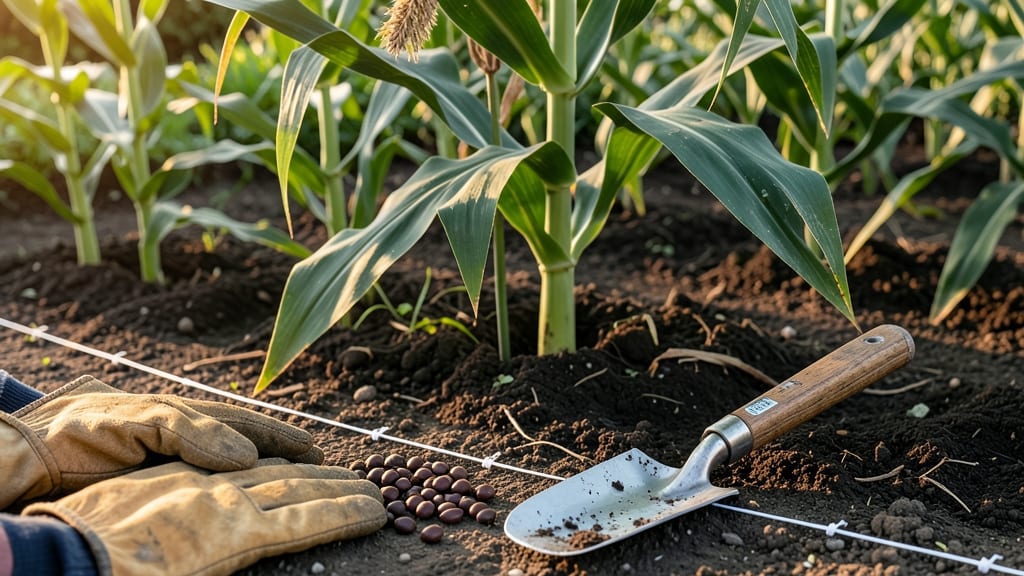
Timing your 🌽 corn planting in Vermont isn’t just about following a calendar—it’s about outsmarting the region’s unpredictable frosts and short growing season.
Plant too early, and a late frost could wipe out your seedlings; too late, and you’ll miss the sweet spot for a full harvest before fall sets in.
Most Vermont gardeners wait until mid-May to early June when soil temperatures hit 60°F and all frost danger has passed. But with USDA zones 4b-6a, even that window can shift yearly—so knowing your specific variety’s heat requirements is the key to success.
Whether you’re growing sweet corn for summer suppers or field corn for livestock, this guide breaks down the exact frost-free planting windows tailored to Vermont’s climate.
I’ll show you how to adjust for early vs. late varieties, raised beds, and even those tricky microclimates where the mountains hold frost a little longer.
Skip the guesswork and learn the precise strategies that’ll give you plump, juicy ears from late August through October—no matter what Mother Nature throws your way this spring.
Vermont corn planting dates by variety: frost-free windows for maximum yield
Timing is everything when planting corn in Vermont. The state’s USDA Zones 3-5 and unpredictable last frost dates (April 15–May 15) demand careful planning. Plant too early, and frost will kill seedlings; too late, and your harvest window shrinks.
I’ve broken down the best planting dates by variety to ensure you maximize your 130-160 frost-free days.
Vermont’s cool climate favors early-maturing varieties (60–75 days to harvest) over long-season types. Most gardeners aim to plant sweet corn between May 1–June 1, but popcorn and field corn may need adjustments. Soil temperature is your best guide: wait until it hits 60°F at least 1 inch deep.
Here’s how to align your planting with Vermont’s microclimates. The Champlain Valley (warmer) may allow slightly earlier planting, while the Green Mountains (cooler) often need a 2-week delay. Elevation also plays a role—higher areas (like Stowe or Jay Peak) should plant late-may for safety.
🌽
| Variety Type | Days to Maturity | Vermont Planting Window | Heat Units Needed | Notes |
|---|---|---|---|---|
| Sweet Corn (Early) | 60–70 days | May 1–15 | 1,200–1,500 | Best for Champlain Valley; try 'Early Sunglow' or 'Ambrosia'. |
| Sweet Corn (Mid) | 75–85 days | May 15–June 1 | 1,500–1,800 | Versatile; 'Silver Queen' or 'Peaches and Cream' work well. |
| Sweet Corn (Late) | 90–100 days | June 1–15 | 1,800–2,100 | Riskier; only for southern VT or raised beds. |
| Popcorn | 80–95 days | May 15–June 1 | 1,600–1,900 | Drought-tolerant; 'Glass Gem' is a favorite. |
| Field Corn | 100–120 days | June 1–15 | 2,000+ | Needs long season; 'Country Gentleman' is reliable. |
For southern Vermont (e.g., Bennington or Brattleboro), you can push planting to late April if your soil warms early. Use a soil thermometer to confirm—corn seeds won’t germinate below 50°F. In northern VT, delay until mid-May to avoid frost.
🌡️
If you’re unsure about frost risks, opt for bicolor sweet corn varieties like 'Peaches and Cream'—they’re more cold-tolerant than yellow or white types. For extended harvests, stagger plantings every 2 weeks between May and June. This ensures a steady supply of fresh ears for late August to October harvests.
Pro tip: Vermont’s short growing season means prioritize disease-resistant varieties. Look for labels like "HN" (hornworm-resistant) or "SM" (stewardship-resistant) to reduce pest pressure. I’ve had the best luck with organic seed brands like High Mowing Seeds or Johnny’s Selected Seeds, which offer Vermont-adapted strains.
🌱
Remember, corn is wind-pollinated, so plant in blocks (not rows) to ensure cross-pollination. A 4x4 foot block with 36 plants is ideal for home gardens. If space is limited, consider bush corn varieties like 'Golden Bantam,' which grow to just 5 feet tall—perfect for containers or small plots.
Finally, keep an eye on your local weather forecasts in late April. If a late frost warning appears, cover seedlings with frost blankets or row covers until temperatures stabilize. With the right timing, you’ll enjoy homegrown corn that’s sweeter and more flavorful than store-bought!
How to adjust corn planting for Vermont’s microclimates and soil conditions
Vermont’s diverse landscapes—from the Champlain Valley’s warmer pockets to the Green Mountains’ cooler elevations—mean your corn’s success hinges on local adjustments. Even within a single county, microclimates can shift planting windows by 1-2 weeks, so always check your specific USDA Zone (4b-6a) and historical frost data.
For lowland areas like Burlington, where springs warm faster, you might plant early-maturing varieties (60-70 days) as soon as soil reaches 55°F (around mid-April). In contrast, higher elevations (e.g., Stowe) often wait until late May when soil hits 60°F to avoid frost damage.
Soil type plays a critical role too. Clay-heavy soils (common in the Connecticut River Valley) drain poorly and stay cold longer, while sandy loams (found in Chittenden County) warm up faster. Amend clay with compost or sand to improve drainage, and test pH—corn thrives in 6.0-7.0.
- Clay Soil: Mix in 2-3 inches of compost + sand to improve drainage.
- Sandy Soil: Add aged manure or peat moss to retain moisture.
- Rocky Areas: Use raised beds with well-draining mix.
- pH Check: Aim for 6.0-7.0; amend with lime (to raise) or sulfur (to lower).
Row spacing matters too. In cooler microclimates, space rows 36 inches apart to allow air circulation and reduce frost risk. For warmer valleys, tighten to 30 inches to maximize yield. Plant seeds 1 inch deep and 4-6 inches apart in hills for better heat retention.
Companion planting can mitigate Vermont’s late-spring frosts. Pair corn with beans (nitrogen-fixers) or radishes (pest deterrents). Avoid planting near tomatoes or potatoes, which compete for nutrients and attract similar pests.
If you’re growing in containers or raised beds, choose bush varieties (e.g., 'Golden Bantam') and plant in early June when soil is reliably warm. Use black plastic mulch to raise soil temps by 5-10°F, extending the growing season by 2-3 weeks.
Finally, monitor local weather forecasts for late frost warnings. If frost threatens after planting, cover seedlings with frost cloth or a row tunnel until danger passes. With these adjustments, even Vermont’s shortest growing seasons can yield sweet, plump ears by late summer. 🌾