
Plants
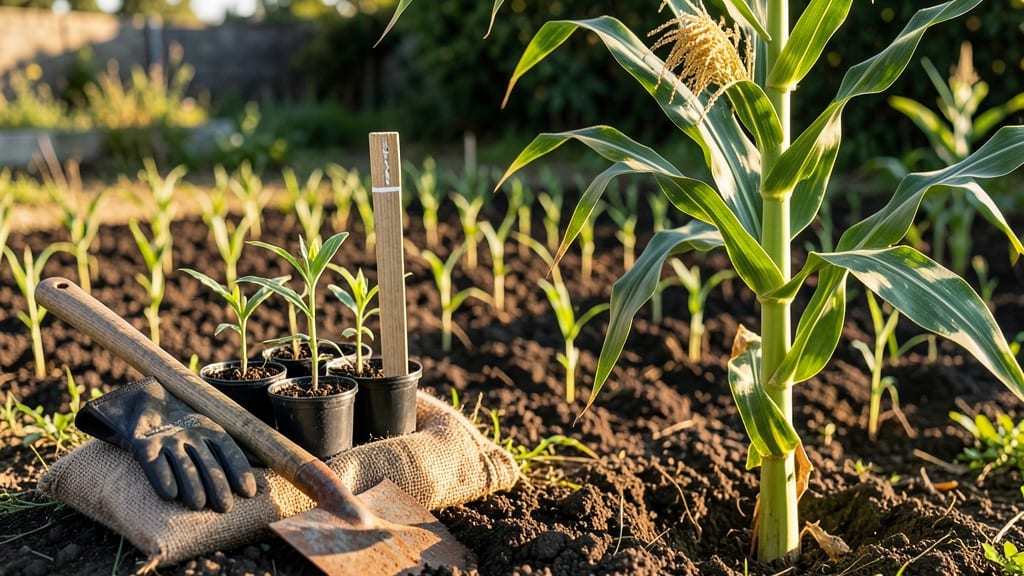
Planting corn in Arkansas at the wrong time can mean the difference between a bumper crop of sweet, juicy 🌽 and a disappointing harvest. With the state’s diverse climate zones—from the cooler Northwest to the warmer Delta—timing matters more than you might think.
Most Arkansas gardeners should aim to plant corn between mid-April and early June, when soil temperatures consistently hit 60°F or higher.
But here’s the catch: if you’re in the higher elevations of the Ozarks (like USDA Zone 7a), you’ll want to wait until late April or early May to avoid late frosts.
In this guide, I’ll break down the exact planting windows for your area, including soil prep tips and the best corn varieties for Arkansas’ short growing season.
Whether you’re growing sweet corn for the table or field corn for livestock, getting the timing right is the key to a successful harvest.
Ready to grow corn that’s tall, healthy, and packed with flavor? Let’s dive into the perfect planting schedule for your corner of Arkansas.
Arkansas corn planting calendar: exact months by variety for optimal growth
Planting corn in Arkansas requires precision—your last frost date and soil temperature are the two most critical factors. Most gardeners in USDA zones 7a-8b should aim for mid-April to early June, but timing varies by variety and region.
For example, Northwest Arkansas (cooler) needs earlier planting than Southeast Arkansas (warmer). Let’s break down the exact windows for sweet corn, field corn, and popcorn varieties to maximize your yield.
Corn seeds won’t germinate until soil reaches 60°F, so always test your soil before planting. Use a soil thermometer or wait until 2 weeks after your average last frost date.
In most of Arkansas, this lands in late April, but high-altitude areas like the Ozark Mountains may need to wait until early May. Pro tip: Plant a test row 1-2 weeks early to gauge germination success.
Here’s a quick reference for Arkansas’ five climate zones and their ideal planting windows:
| Zone | Ideal Planting Window | Soil Temp Requirement | Best Varieties |
|---|---|---|---|
| Northwest (Benton, Washington) | Late April–Early May | 60°F+ (wait for last frost) | Silver Queen, Peaches and Cream |
| Northeast (Baxter, Boone) | Early May–Mid-May | 60°F+ (cooler nights delay growth) | Early Sunglow, Honey & Pearl |
| Central (Pulaski, Saline) | Mid-April–Late May | 60°F+ (warmer soils germinate faster) | Pioneer 39T73, Bodacious |
| Southeast (Arkansas, Monroe) | Late March–Early June | 55°F+ (warmer year-round) | Golden Bantam, Country Gentleman |
| Southwest (Sevier, Howard) | Early April–Late May | 60°F+ (drought risk in June) | Ambrosia, Temptation |
For sweet corn, prioritize early-maturing varieties (60–90 days) if your growing season is short. In Northwest Arkansas, plant Silver Queen by April 20 to avoid frost damage.
Meanwhile, Southeast Arkansas gardeners can stretch planting until June 1 with Golden Bantam, which thrives in heat. Field corn and popcorn need longer seasons—aim for May planting in cooler zones to ensure full maturity.
Spacing and depth matter just as much as timing. Plant seeds 1 inch deep and 4–6 inches apart in rows spaced 2–3 feet apart. This gives roots room to spread and reduces disease risk.
If you’re using transplants (less common for corn), harden them off for 5–7 days before setting out after May 15. Avoid planting too early—cold soil can lead to rot and poor germination.
Arkansas’ humid climate means you’ll need to monitor for corn earworm and fungal diseases like gray leaf spot. Start seeds indoors in biodegradable pots 2–3 weeks before your target date to give seedlings a head start.
Once planted, mulch with straw or grass clippings to retain moisture and suppress weeds. This is especially critical in June plantings, when Arkansas summers can dry out quickly.
Pro tip: Use a planting calendar to track your progress. Mark May 1 as your deadline for most varieties—after that, you risk immature ears before the first frost in November.
For a second harvest, try succession planting every 2 weeks in May, but stop by June 15 to avoid late-season pests.
Need a backup plan? If unpredictable weather delays planting, opt for fast-maturing varieties like Early Sunglow (60 days) or use row covers to warm soil earlier. Always check your county’s USDA zone for precise frost dates—local extensions offices can provide tailored advice.
With the right timing, you’ll enjoy homegrown corn from late July to October.
Ready to plant? Grab your soil thermometer, pick your variety, and mark your calendar for mid-April to early June. Your future harvest depends on it! 🌽
How to adjust planting dates for Arkansas’ unpredictable weather patterns
Arkansas’ weather can be as unpredictable as a summer storm—one day scorching hot, the next freezing overnight. To protect your corn crop, I’ve learned to adjust planting dates based on soil temperatures, frost risks, and even drought warnings.
The key is flexibility: if Mother Nature throws a curveball, you’ll need backup strategies to keep your corn thriving.
First, always check the USDA Plant Hardiness Zone Map for your specific county. Arkansas ranges from Zone 7a (coldest) in the Ozarks to Zone 8b (warmest) in the Delta. A 7a zone might see frost as late as May 10, while 8b zones could be frost-free by April 1.
Planting too early in colder zones risks frost damage, while delaying in warmer zones can lead to heat stress during pollination.
🌱 Pro Tip: Use a soil thermometer to confirm temperatures. Corn seeds won’t germinate reliably below 60°F (15°C). If your soil stays cool past mid-April, consider warming it faster with black plastic mulch or row covers.
These tricks can shave 1-2 weeks off your planting timeline, giving you a longer growing season.
⚠️ Watch Out for These Weather Pitfalls
Late Frost: If frost warnings appear after planting, cover seedlings with frost blankets or row covers immediately. Corn is sensitive to cold snaps, especially when young.
Drought Stress: Arkansas summers can dry out fast. If rain fails, drip irrigation or soaker hoses deliver water directly to roots without wetting foliage (which reduces fungal risks).
Heat Waves: Temperatures above 95°F (35°C) during pollination can cause bare-husks syndrome (ears form but kernels don’t develop). Plant heat-tolerant varieties like ‘Silver Queen’ or ‘Peaches and Cream’ for better resilience.
For gardeners in high-altitude areas (like the Ozarks), I recommend staggered planting. Start with early-maturing varieties (60-70 days to harvest) in late April, then follow with medium-maturity types (80-90 days) in early May. This spreads out your harvest and reduces risk if one batch fails due to weather.
If you miss the ideal window, don’t panic—June planting is still viable for late-season varieties. Choose fast-maturing popcorn (like ‘Mammoth Melting’) or sweet corn (like ‘Bodacious’) that can tolerate shorter seasons. Just be prepared to harvest earlier before the first frost hits in October.
Finally, keep an eye on local weather forecasts and Arkansas Extension Service alerts. Their free frost date maps and growing degree day calculators are goldmines for fine-tuning your schedule. With these adjustments, you’ll beat Arkansas’ weather—not the other way around! ☀️