
Plants
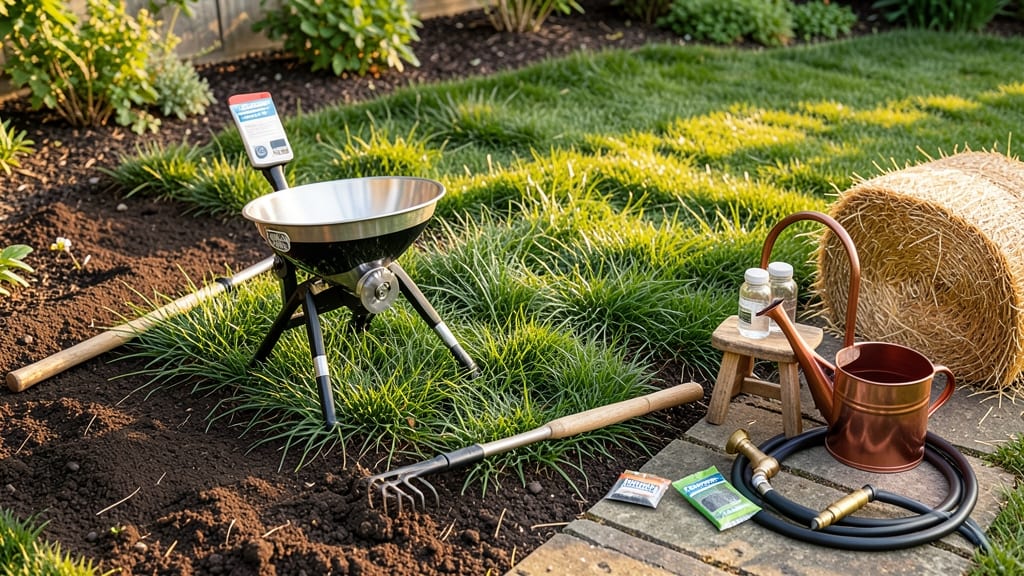
Planting grass seed in Missouri at the wrong time can leave you staring at a patchy lawn—or worse, replanting by summer. The key isn’t just picking a season but matching your USDA zone to soil temperatures and rainfall patterns for the best results.
Missouri’s climate shifts dramatically between north and south, with USDA zones 6a-7a demanding precise timing. Too early, and frost zaps your seedlings; too late, and weeds steal the show. I’ll break down the perfect 4-week windows for spring and fall planting, so you avoid costly mistakes.
Most gardeners swear by fall seeding, but spring has its advantages—if you play it right. We’ll cover soil prep, weather checks, and even which grass types thrive in Missouri’s heat. By the end, you’ll know exactly when to plant for a lawn that stays green all year.
Ready to skip the guesswork? Let’s dive into the science-backed schedule that’ll have your grass seed germinating strong, not struggling. Your future lawn will thank you.
Missouri’s best grass-seeding months by USDA Zone (spring vs fall breakdown)
Missouri spans USDA zones 6a-7a, where soil temperature and frost dates dictate your grass seed’s survival. Most gardeners swear by fall planting—it’s when cool-season grasses like Kentucky Bluegrass thrive—but spring works for warm-season varieties like Bermuda. Let’s break down the ideal windows by zone and season.
In northern Missouri (Zone 6a), aim for late August to early October for fall planting, when soil temps hover around 60-65°F. Spring planting here starts after last frost (mid-April) but must finish by May 15 to avoid summer drought stress.
Southern Missouri (Zone 7a) has a 3-week later window—fall planting until early November and spring until June 1.
Why fall? Cooler temps reduce weed competition, and fall rains in Missouri keep seeds moist. Spring planting risks drought stress and crabgrass takeover if delayed. Always check soil temps with a thermometer—wait until it’s 55-65°F for 3+ inches deep.
| Zone | Fall Planting Window | Spring Planting Window | Soil Temp Requirement | Key Risk |
|---|---|---|---|---|
| 6a (North) | Late Aug - Early Oct | Mid-Apr - May 15 | 55-65°F (3" deep) | Late frost |
| 6b (Central) | Early Sep - Mid-Oct | Late Apr - May 30 | 55-65°F (3" deep) | Summer drought |
| 7a (South) | Mid-Sep - Early Nov | Early May - June 1 | 60-70°F (3" deep) | Weed competition |
For warm-season grasses (like Zoysia or Buffalo Grass), late spring (May-June) is critical—plant when soil is at least 65°F. These grasses go dormant in winter, so timing matters less for cold hardiness but more for establishing roots before summer heat.
Missouri’s rainfall patterns also play a role. Fall planting benefits from September-October rains, while spring planting often requires weekly watering until germination. Use a rain gauge to track moisture—aim for 1 inch per week during establishment.
Pro tip: If you miss fall’s window, late winter (February) is a backup for cool-season grasses. Just cover seeds with straw to protect from late frosts. For warm-season grasses, never plant before May 15—early planting leads to fungal diseases.
Missouri’s microclimates matter too. Hilly areas (like Ozarks) stay cooler longer—plant 2 weeks later than flatter regions. Urban heat islands (St. Louis, Kansas City) may need earlier spring planting to escape summer drought.
Always test your soil pH before planting—Missouri’s clay-heavy soils often need lime (for pH >6.5) or sulfur (for pH <6.0). Aim for a pH of 6.0-7.0 for most grasses. Amend soil 4-6 weeks before seeding to avoid seed-to-soil contact issues.
Remember: Fall planting = 70% success rate in Missouri, while spring planting = 50%. The difference? Less competition and cooler temps that help seeds establish before winter. But if you’re planting warm-season grasses, spring is your only shot.
Missouri’s best grass-seeding months by USDA Zone (spring vs fall breakdown)
Missouri spans USDA zones 6a through 7a, meaning your last frost dates vary from late April in southern zones to mid-May in northern areas. These differences create a 2-3 week window for optimal planting—miss it, and your grass seed struggles to establish before summer heat or winter freeze.
Most Missouri gardeners swear by fall planting (late August to early October) because cooler temps and consistent rainfall give seeds a head start before winter dormancy.
Spring planting (April to early May) is riskier—soil warms too quickly, leading to drought stress or crabgrass competition. However, if you must plant in spring, aim for soil temperatures between 55-65°F (use a soil thermometer) and keep seeds moist until germination.
In Missouri’s Zone 6a (north), wait until after May 15; in Zone 7a (south), you have flexibility until early June.
| USDA Zone | Ideal Planting Window | Soil Temp (°F) | Key Risk |
|---|---|---|---|
| 6a (North MO) | Late August–September or April 20–May 15 | 55–65°F | Early frost or drought |
| 6b (Central MO) | Late August–October or April 15–May 20 | 55–65°F | Weed competition |
| 7a (South MO) | Late August–November or April 1–June 1 | 60–70°F | Summer heat stress |
For cool-season grasses (Kentucky Bluegrass, Tall Fescue), fall is the gold standard—seeds germinate in 7–14 days when temps are mild, and roots establish before winter. Warm-season grasses (like Bermuda) need soil temps above 65°F, so plant them in late spring (May–June) when nights stay above 60°F. Pro tip: Test your soil’s pH (6.0–7.0) and add lime or sulfur 4–6 weeks before seeding to avoid nutrient lockout.
Missouri’s rainfall patterns also play a role—spring showers can wash away seeds, while fall’s steady rains create ideal moisture. If you’re in a drought-prone area (like west-central MO), use a starter fertilizer with phosphorus to boost root growth.
Water lightly twice daily (morning/evening) for the first 2 weeks to keep seeds hydrated without flooding.
Timing isn’t just about months—it’s about moon phases too. Plant during the waxing moon (when roots grow upward) for deeper establishment. Pair this with mulching (straw or peat moss) to retain moisture and outcompete weeds.
In Missouri’s Zone 6a, aim to have grass 3–4 inches tall before the first hard frost (usually late November).
Remember: Fall planting = 3x higher success rate in Missouri’s climate. If you miss the window, wait until next spring—but be prepared to water daily until germination. The key is patience: consistent moisture + proper timing = lush grass by next summer. 🌱