
Plants
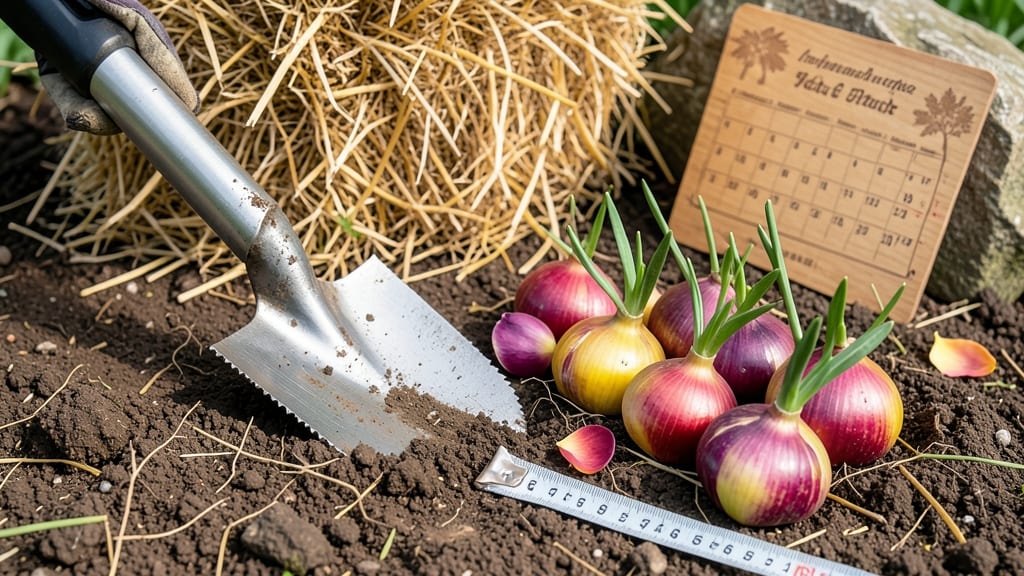
Planting tulip bulbs at the wrong time in Michigan can mean the difference between a stunning spring display and wasted money—especially in USDA Zones 5b-6b where frost sneaks in early.
The ideal window is October to November, but getting it just right requires knowing your last frost date and soil conditions. Too soon, and your bulbs rot; too late, and they won’t establish roots before winter sets in.
I’ve learned the hard way that Michigan’s unpredictable weather demands precision. Whether you’re in Detroit or Traverse City, timing matters more than most gardeners realize.
This guide breaks down the exact steps to plant your 🌷 tulips for zero-frost success, including soil prep and variety choices that survive our harsh winters.
You’ll discover how to read your local frost forecast, adjust planting depth for clay-heavy soil, and pick the hardiest tulip varieties for your zone. No more guessing—just a foolproof method to ensure your bulbs bloom beautifully next spring, no matter how early the snow flies.
Let’s get started with the 5 critical steps to plant your tulips at the perfect moment, so you can enjoy those vibrant blooms come April or May without a single worry.
Michigan tulip planting calendar: best months by USDA Zone 5-6
Michigan’s USDA Zones 5b-6b demand precision when planting tulip bulbs. The ideal window spans mid-October to mid-November, but exact timing depends on your location—Detroit’s milder winters allow later planting than Traverse City’s harsh climate.
Aim to plant 6-8 weeks before the ground freezes, typically when soil temps drop to 50-60°F.
Northern Michigan (Zone 5b) should plant early October to avoid early frosts, while southern Michigan (Zone 6b) can wait until late October or early November. Check your local last frost date—most Michigan regions experience their first hard freeze in mid-October, but this varies yearly.
🌷
| Zone & Location | Best Planting Window | Soil Temp Threshold | Frost Risk |
|---|---|---|---|
| Zone 5b (Traverse City, Marquette) | Mid-October to early November | 50-55°F | High (first frost: Oct 15) |
| Zone 5b-6a (Grand Rapids, Lansing) | Late October to mid-November | 55-60°F | Moderate (first frost: Oct 25) |
| Zone 6b (Detroit, Ann Arbor) | Early November to early December | 60-65°F | Low (first frost: Nov 5) |
🌡️ Use a soil thermometer to verify temps before planting.
If Michigan’s weather throws you a curveball—like an unseasonably warm October—hold off planting until soil temps drop below 60°F. Warm soil can trigger premature bulb growth, leaving them vulnerable to late-season frosts.
Conversely, if early snow arrives, plant as soon as possible—bulbs can handle light frost once planted.
For container-grown tulips, extend your window slightly by planting in late October or November. Containers warm up faster, so monitor soil temps closely. In clay-heavy Michigan soils, plant bulbs 4-6 inches deep and 4-6 inches apart to prevent rot and ensure proper drainage.
Pro tip: Mark your calendar for Michigan’s average first frost dates—most regions see their last chance to plant by mid-November. If you miss this window, wait until spring planting (March-April), though blooms may be delayed or less robust.
🌱
Don’t stress if your tulip bulbs arrive late. Store them in a cool, dark place (like a garage) until you’re ready to plant. Just ensure they’re not refrigerated—tulip bulbs need a dormancy period at 40-50°F to prepare for winter.
For long-term success, layer bulbs in 3-year cycles: plant 1/3 of your bulbs each fall to enjoy continuous blooms. This strategy also reduces the risk of tulip fire disease, a fungal issue common in Michigan’s humid springs.
📅
Michigan tulip planting calendar: best months by USDA Zone 5-6
Michigan’s USDA Zones 5b-6b create a tight window for planting tulip bulbs—miss it, and you risk frost damage or weak blooms. The ideal planting window is mid-October through November, when soil temperatures drop below 60°F (15°C) but before the ground freezes.
In northern Michigan (Zone 5b), aim for late September to early October, while southern Michigan (Zone 6b) gardeners can wait until mid-October.
Use Michigan’s average first frost dates as your guide: Detroit typically sees frost by October 15-20, while Traverse City freezes earlier (October 1-10). Plant 6-8 weeks before your area’s first frost to give roots time to establish.
For example, if frost hits October 20, plant by September 1-15.
Soil temperature is critical. Tulip bulbs need 40-50°F (4-10°C) soil temps to root properly. Check with a soil thermometer or use the back-of-hand test: if the soil feels cool but not frozen, it’s time to plant.
In early frosts, cover bulbs with straw mulch (4-6 inches) to insulate them until winter.
🌷 Michigan Tulip Planting Timeline
| Zone & Location | Ideal Planting Window | Soil Temp Threshold | Frost Risk |
|---|---|---|---|
| Zone 5b (Northern MI: Traverse City, Marquette) | Late September–October 1 | 40–50°F (4–10°C) | High (first frost: Oct 1–10) |
| Zone 6a (Central MI: Lansing, Grand Rapids) | Mid-September–October 15 | 45–55°F (7–13°C) | Moderate (first frost: Oct 10–20) |
| Zone 6b (Southern MI: Detroit, Ann Arbor) | October 1–November 1 | 50–60°F (10–15°C) | Low (first frost: Oct 15–25) |
⏰ Pro Tip: Use Michigan State University’s frost date maps for your exact location. Adjust 1–2 weeks earlier if your area had an early frost the prior year.
If you miss the fall window, December planting is possible but risky. Only attempt it in Zone 6b (southern Michigan) with insulated soil (e.g., raised beds with thick mulch).
Avoid planting in January or February—tulips need chill hours to bloom, and late planting often results in bolted (tall, weak stems) or no flowers.
For container gardening, plant bulbs in pots by mid-October and move them to a garage or unheated shed once soil freezes. Bring pots indoors when temperatures drop below 20°F (-7°C) to prevent bulb damage. This method works well for urban gardeners with limited ground space.
Remember: Tulips need cold. If Michigan experiences an unusually warm fall (like 2023’s delayed frost), hold off planting until soil temps naturally drop. Use a thermometer to avoid the temptation of planting too early—warm soil = rotten bulbs.
Aim for consistent 50°F (10°C) soil temps for 2+ weeks before planting.