
Plants
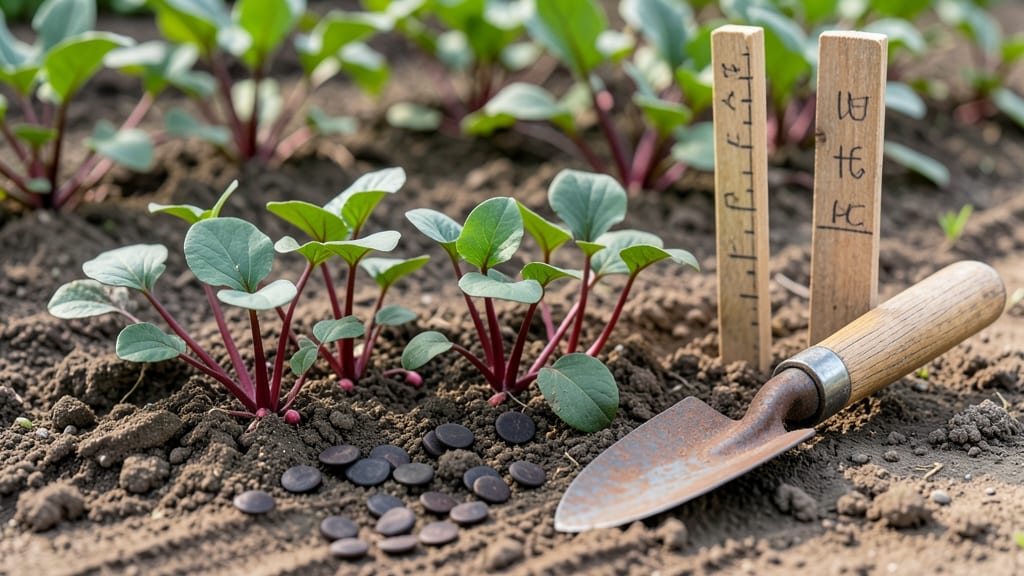
Timing your beet planting in South Carolina can mean the difference between a garden full of sweet, tender 🥕 and bitter, woody roots—so getting it right matters more than you might think.
With the state's mild winters and long growing season, you actually have two prime chances to plant: once in early spring and again in late summer. But skip the wrong window, and you'll either face frost damage or watch your beets bolt too quickly in the heat.
Most gardeners in USDA zones 7b-8a plant their beets between February and March for a spring harvest, then again in August and September for a fall crop. The key is avoiding those last frost dates in March and first frosts in November, which can ruin your tender greens and roots.
I've learned the hard way that planting too early in cold soil or too late in sweltering heat both lead to disappointment.
Here's what I'll show you: the exact frost-free planting windows tailored to South Carolina's climate, plus pro tips for soil prep and spacing that will help your beets thrive.
Whether you're a first-time gardener or a seasoned green thumb, these strategies will give you the confidence to grow beets that are crisp, flavorful, and ready to harvest just when you need them.
Ready to transform your garden into a beet bonanza? Let's dive into the perfect timing and care techniques that actually work in our unique growing conditions. You'll be harvesting those ruby-red roots in no time!
South Carolina beet planting calendar: exact frost dates by season
Timing your beet plantings in South Carolina hinges on avoiding frost and extreme heat. The USDA Zones 7b-8a give us a 210-day frost-free window, but beets need precise conditions to thrive.
Spring plantings start after the last frost date (mid-March), while fall plantings must finish before the first frost (mid-November).
Beets prefer cool soil temperatures (50–70°F) for germination. If soil stays above 75°F for weeks, your beets will bolt or develop tough roots. That’s why spring and fall are ideal—summer’s heat is their enemy. Let’s break down the exact windows and pro tips for each season.
🌱 Key Tip: Use a soil thermometer to confirm temperatures before planting. Aim for 55–65°F for best germination rates.
| Season | Planting Window | Soil Temp (°F) | Harvest Window | Pro Tip |
|---|---|---|---|---|
| Spring | February–March | 55–65°F | May–June | Use row covers for early plantings. |
| Fall | August–September | 60–70°F | October–November | Choose heat-tolerant varieties like Detroit Dark Red. |
| Late Summer | July (shade cloth) | 65–75°F | September–October | Plant in partial shade with 30% shade cloth. |
For spring plantings, start seeds indoors 4–6 weeks before your last frost date (early February). Transplant seedlings outdoors after soil warms to 55°F.
In South Carolina’s coastal regions (Zone 8a), you can plant as early as January under row covers, but inland areas (Zone 7b) should wait until mid-February.
Fall plantings are trickier because daylength triggers bolting. Seed directly in August for a fall harvest before frost. Avoid planting after September 15—beets grown in shortening days will bolt prematurely. Use quick-maturing varieties (50–55 days) like Babybeat or Golden for fall success.
⚠️ Warning: If your soil stays above 80°F for 2+ weeks, beets will develop woody roots. Mulch heavily with straw or grass clippings to keep soil cool.
Microclimates matter! Upstate SC (Greenville, Spartanburg) has cooler springs, so you can plant 2 weeks earlier than Charleston or Myrtle Beach. Test your soil’s pH (6.0–7.0 ideal)—acidic soil stunts growth. Amend with lime or compost if needed before planting.
Pro tip: Mark your calendar for August 15—this is the last safe date to plant fall beets in most of SC. After that, focus on cold-hardy greens like spinach or kale for winter harvests.
To maximize your harvest, pair spring and fall plantings. For example, plant Detroit Dark Red in February and Chioggia in August for a year-round supply of sweet, tender beets. Just remember: timing beats everything in SC’s unpredictable climate.
🌿 Now that you’ve got your planting dates locked in, let’s talk about succession planting to keep your beet harvests coming all season long!
How to extend your beet harvest: succession planting for SC’s short growing season
South Carolina’s short growing season (about 210 frost-free days) means beets can bolt or turn woody if planted all at once. The secret to a steady harvest? Succession planting—staggering seeds every 2–3 weeks from February to September.
This keeps your table stocked with sweet, tender beets while avoiding heat stress or frost damage.
Start with fast-maturing varieties like Detroit Dark Red (50–60 days) or Chioggia (55–60 days) for early harvests. These handle SC’s humid summers better than slower types. Space seeds 1 inch apart in rows 12 inches apart to prevent overcrowding, which leads to stunted roots.
Here’s my proven schedule for SC’s climate: Plant the first batch in late February (after soil warms to 50°F), then repeat every 2 weeks until mid-March. For fall, sow again in early August and late August to harvest before mid-November frost.
- 📅 Late February: First planting (harvest by May)
- 📅 Mid-March: Second planting (harvest by June)
- 📅 Early August: Fall prep (harvest by October)
- 📅 Late August: Final batch (harvest by November)
Watch for bolting signs (tall, skinny stems) if temps rise above 80°F. Shade young plants with row covers or mulch heavily to keep soil cool. Detroit Dark Red holds up better in heat than Golden Beets, which bolt faster.
For container gardening, use 5-gallon pots with one seed per hole (thin to one plant). Succession plant every 3 weeks for a continuous harvest. Just remember: Morning watering (1–2 inches weekly) is critical to prevent woody textures.
With this method, I’ve harvested beets every 3 weeks from April through November—no gaps! The trick is consistency and variety selection. Try Babybeat for early snacks or Chioggia for striped, gourmet beets.