
Plants
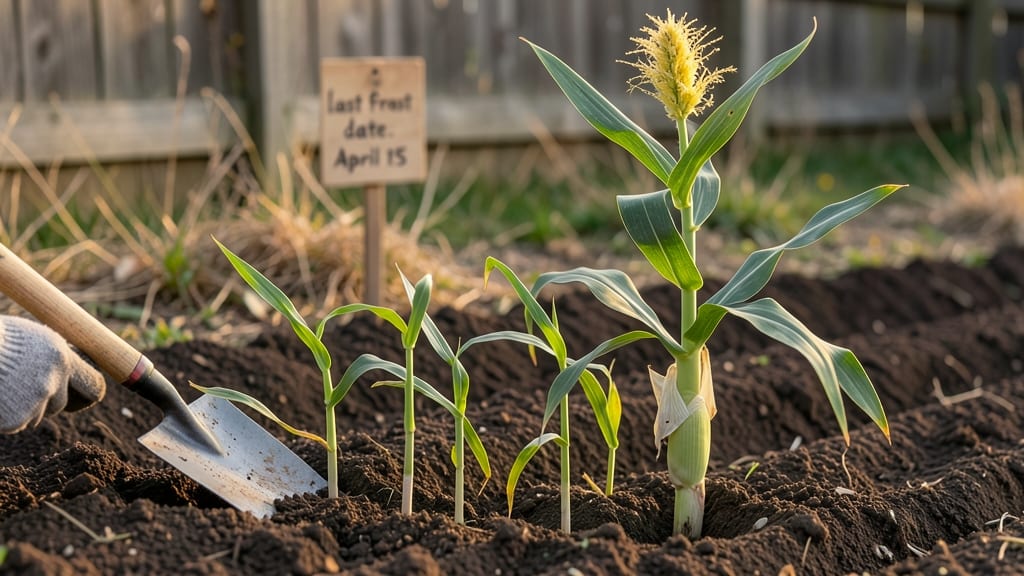
Planting corn in Pennsylvania isn't just about checking a calendar—it's about waiting for soil temperatures to hit that sweet spot between 50°F and 60°F for fast germination.
That window, typically mid-April to mid-May, can shift dramatically from one week to the next, especially in zones 5b-7a where late frosts are common.
I've learned the hard way that rushing corn into cold soil leads to slow starts and stunted plants. The key? A soil thermometer and patience—because even if the air feels warm enough, the ground might still be holding onto winter's chill.
Let me show you exactly how to time it right for healthy, vigorous corn that thrives in PA's unpredictable climate.
We'll cover the three critical factors that determine your planting success: soil temperature, frost dates, and the right corn varieties for your region. Whether you're in Pittsburgh or Philadelphia, these tricks will help you avoid the most common mistakes and get your corn off to a flying start.
By the end, you'll have a simple checklist to follow—no guesswork involved. Ready to grow corn that's taller, faster, and more productive than ever before? Let's get started.
Pennsylvania corn planting dates by hardiness Zone: soil temperature rules for success
Pennsylvania's USDA Hardiness Zones 5b-7a create unique challenges for corn growers. Unlike calendar-based planting guides, success depends on soil temperature—not just dates. Corn seeds need 50-55°F soil for reliable germination, but 60°F ensures 90%+ success.
In cooler zones like Erie (Zone 5b), wait until late May, while Philadelphia (Zone 7a) can start as early as mid-April.
Penn State Extension data shows late April to early May is the sweet spot for most regions. However, soil thermometers are your best tool—never guess. Cold, wet soils delay germination, while warm, dry soils speed it up.
This 10-14 day window between frost risk and ideal temps is where PA gardeners often struggle.
Here’s the critical rule: Plant when soil hits 50°F consistently for 5 days. Below that, seeds rot; above 70°F, they dry out. In Pittsburgh (Zone 6b), this typically means mid-April to early May, but a late frost can push it to May 10-15.
Always check your local last frost date (usually April 15 in southern PA, May 1 in the north).
| Zone | Ideal Planting Window | Soil Temp Threshold (°F) | Regional Notes |
|---|---|---|---|
| 5b (Erie, State College) | May 10-25 | 60°F (wait for warmth) | Late frosts common; use black plastic mulch |
| 6a (Harrisburg, Scranton) | April 25-May 10 | 55°F (minimum) | Moderate frost risk; monitor forecasts |
| 6b (Pittsburgh, Allentown) | April 15-May 1 | 50°F (consistent) | Variable weather; test soil daily |
| 7a (Philadelphia, Reading) | April 1-May 15 | 50°F (earlier starts possible) | Warmest zone; can plant earlier |
Regional microclimates matter. For example, Poconos (Zone 5b) may need to wait until May 15, while Lancaster County (Zone 7a) can start by April 1. Urban areas like Philadelphia often warm faster than rural zones due to heat island effect.
If you’re unsure, use a soil thermometer—it’s the only way to avoid rotten seeds or stunted plants.
Pro tip: Plant early, mid, and late batches (2 weeks apart) to extend harvest. This staggered approach ensures you get corn in July, August, and even September, even if spring is late.
For example, in Zone 6b, plant April 15, April 30, and May 15 for a continuous supply.
Common mistakes? Planting in cold, wet soils (seeds rot) or overheated soils (seeds dry out). Both kill germination. In clay-heavy soils (common in PA), water drains slowly—wait for 60°F before planting. Sandy soils warm faster but dry out quicker, so mulch after planting to retain moisture.
PA’s 150-200 frost-free days limit late plantings. If you miss the window, switch to short-season varieties like 'Early Sunglow' (60 days) or 'Silver Queen' (75 days). These thrive when planted June 1-15 for a fall harvest.
Always check Penn State Extension’s frost maps for your county. Their 10-year averages show Erie County has a May 10 last frost, while Berks County averages April 20. Local data beats guesswork every time.
Remember: Corn is a warm-season crop. It won’t tolerate frost, and slow starts mean smaller ears. By mastering soil temperature and regional zones, you’ll turn PA’s unpredictable spring into a reliable harvest. 🌽
5 Soil temperature tricks to speed up corn germination in Pennsylvania’s unpredictable spring
Pennsylvania’s late frosts and chilly soils can leave corn seeds sitting in the dirt for weeks, waiting for the perfect moment to sprout. The key to beating these delays? Soil temperature management. Corn seeds need soil to reach at least 50°F for germination, but 60°F or warmer ensures fast, consistent sprouting. Without the right tricks, you might end up with patchy growth or even failed crops—especially in Zone 5b-6a areas where springs linger cold. I’ve tested these five proven techniques in my own garden to accelerate germination, even when Mother Nature drags her feet. From simple tools to clever mulching hacks, these methods can shave days (or even weeks) off your corn’s growth timeline. The best part? Most require minimal upfront investment and can be adapted to any garden size.Use a Soil Thermometer
Check soil temps 2 inches deep daily—corn won’t germinate below 50°F. Plant only when temps hit 60°F+ for 5+ days. Pro tip: Morning readings are most accurate.
Adjust Planting Depth by Soil Type
Sandy soil? Plant 1 inch deep—warmer near surface. Clay soil? Go 1.5 inches deep to escape cold pockets. Rule: Depth = soil type’s moisture retention.
Warm Soils with Black Plastic Mulch
Lay mulch 1-2 weeks before planting to raise soil temps by 5-10°F. Remove it once seeds sprout to avoid overheating. Bonus: Suppresses weeds and retains moisture.
Plant Warm-Season Cover Crops
Sow buckwheat or sorghum-sudangrass 4-6 weeks before corn. Till them in to add organic matter and raise soil temps by breaking up cold layers.
Emergency Heat Mats or Row Covers
For late starts, use electric heat mats (plug-in type) or floating row covers to trap warmth. Remove covers once sprouts emerge to avoid overheating.
🌱