
Plants
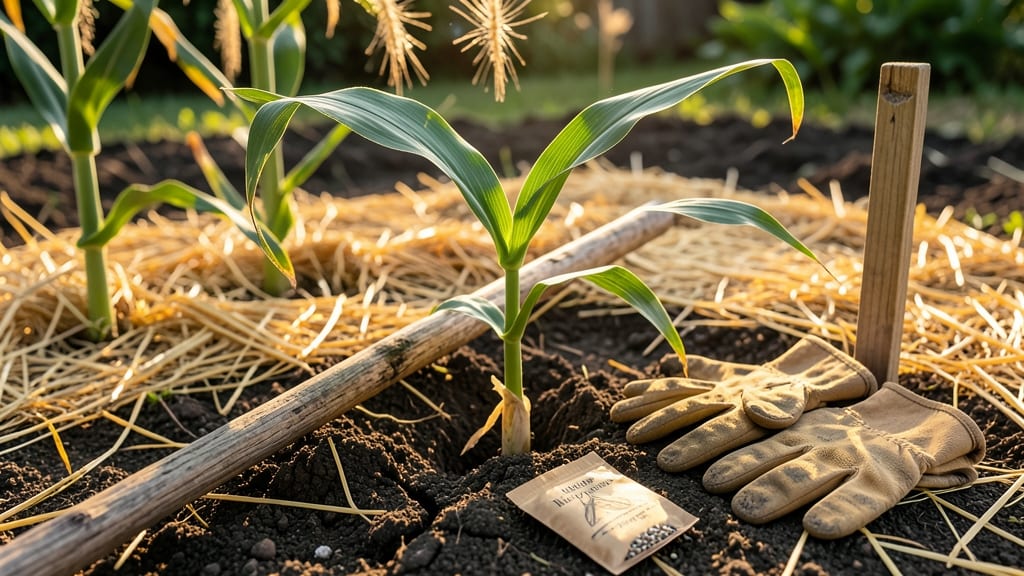
Planting corn in Pennsylvania at the wrong time can turn your garden dreams into a sad, wilted memory—especially when late frosts still lurk in the forecast.
The ideal window between mid-April and mid-May isn’t just a suggestion; it’s the difference between 6-foot stalks of sweet 🌽 and stunted plants that never recover.
Why does timing matter so much? Corn thrives when soil temperatures hit 60°F+, but Pennsylvania’s USDA Zones 5b-7a mean your last frost can arrive weeks apart depending on whether you’re in the Poconos or Pittsburgh.
Get it right, and you’ll harvest ears by late July; miss it, and you might end up with nothing but empty husks.
I’ve grown corn here for years, and the key isn’t just memorizing dates—it’s knowing your microclimate. Should you plant early varieties in March under row covers?
Or wait for the perfect 60°F soil temp even if it means delaying until late May? Let’s break down the exact strategies that work in your backyard.
From choosing the right variety for your zone to avoiding common mistakes that kill yields, you’ll discover how to turn Pennsylvania’s unpredictable springs into your corn-growing advantage. Ready to grow ears that rival the pros?
Pennsylvania corn planting dates by USDA hardiness Zone (2024 guide)
Pennsylvania's diverse climate—from the cool mountains of the Poconos (Zone 5b) to the warmer valleys of Lancaster (Zone 7a)—means your corn planting window can shift by weeks. The golden rule?
Wait until soil temperatures hit 50°F+ and last frost has passed. In most of PA, that’s mid-April to mid-May, but northern zones may need to wait until late May.
Corn is a warm-season crop that hates cold snaps. Even a light frost after germination can kill seedlings. Use local frost maps (like the Penn State Ag Extension tool) to pinpoint your safe planting date.
For example, Erie (Zone 6a) can start in early April, while Scranton (Zone 5b) should wait until late April.
Here’s how Pennsylvania’s USDA zones break down for corn planting:
| USDA Zone | Last Frost Date | Ideal Planting Window | Soil Temp Threshold | Notes |
|---|---|---|---|---|
| Zone 4a-5a (Poconos, NE PA) | Mid-May | Late May to early June | 55°F+ | Use black plastic mulch to warm soil faster. |
| Zone 5b-6a (Central PA) | Early to mid-April | Mid-April to early May | 50°F+ | Best for early-maturing varieties (60-70 days). |
| Zone 6b-7a (Southwest PA, Pittsburgh) | Early April | Late March to mid-April (under cover) | 50°F+ | Can plant earlier varieties in greenhouses. |
| Zone 7b (Lancaster, Delaware Valley) | Late March | Early April to late April | 50°F+ | Longest growing season—supports late varieties (90+ days). |
For southern PA (Zones 6b-7a), you can even try succession planting in June for a fall harvest before the first frost. Just choose fast-maturing varieties (like 'Silver Queen', which takes 70 days) to avoid late-season risks.
Corn seeds need consistent warmth to germinate. If your soil is below 50°F, even after the last frost, delay planting. Use a soil thermometer to check—seeds won’t sprout reliably until temps hit 55°F+.
In cool zones (4a-5a), consider black plastic mulch or row covers to speed up soil warming.
Pro tip: Plant corn in blocks (not rows) to ensure cross-pollination. A 4x4 foot block with 4-6 plants is ideal for home gardens. This mimics commercial fields and boosts ear development.
Space plants 12 inches apart in the block and 30 inches between blocks to allow airflow and reduce fungal diseases.
If you’re in northern PA and worried about late frosts, opt for short-season varieties like 'Early Sunglow' (65 days) or 'Bodacious' (75 days). These mature quickly enough to avoid fall frosts while still yielding sweet, tender kernels.
In southern PA, you can afford to plant later varieties like 'Peaches and Cream' (90 days) for a longer harvest window.
Don’t forget: Corn is wind-pollinated, so plant at least two blocks for reliable yields. If you’re growing multiple varieties, keep them separated by 1/4 mile to prevent cross-contamination of
Best corn varieties for Pennsylvania and their ideal planting strategies
Choosing the right corn variety for Pennsylvania’s climate is key to avoiding late-season frosts and maximizing ear development. The Keystone State’s USDA zones 4a–7b demand varieties that thrive in short to medium growing seasons, with some regions needing earlier maturing types.
For example, sweet corn like 'Golden Bantam' (70-day variety) excels in northern PA, while field corn varieties such as 'Pioneer 39T23' handle southern PA’s longer summers better.
Most corn in Pennsylvania is direct-sown outdoors—transplanting is rare due to the plant’s delicate root system. However, if you’re using row covers or starting seeds indoors (like with popcorn varieties), you can plant 4–6 weeks earlier than the recommended outdoor dates.
Just remember: corn hates cold soil, so never plant until soil temperatures hit at least 50°F consistently.
Here’s how to match varieties to your Pennsylvania region and planting strategy:
| Variety Type | Best For | Days to Maturity | Planting Time | Spacing |
|---|---|---|---|---|
| Sweet Corn (e.g., 'Silver Queen') | Northern PA (zones 4a–5b) | 65–75 days | Mid-April to early May | 12" apart, rows 30" apart |
| Field Corn (e.g., 'Pioneer 39T23') | Southern PA (zones 6a–7b) | 90–110 days | Late April to mid-May | 18" apart, rows 36" apart |
| Popcorn (e.g., 'Strawberry Popcorn') | All regions (short season) | 80–90 days | Early May (or start indoors) | 10" apart, rows 24" apart |
| Dwarf Corn (e.g., 'Miniature Golden') | Containers or small gardens | 60–70 days | Late May (succession plant) | 6" apart, rows 18" apart |
For maximum yield, plant corn in blocks (not rows) to ensure cross-pollination. In Pennsylvania, this means planting at least 4 rows of the same variety simultaneously.
Pair corn with beans or squash to improve soil nitrogen and deter pests—just avoid planting near tomatoes or potatoes, which compete for nutrients.
If you’re in Zone 4a or 5a, opt for early-maturing varieties and consider black plastic mulch to warm the soil faster.
In Zones 6b–7b, you can push planting into early June for a second crop of late-season varieties, but avoid this in cooler microclimates like the Poconos or Allegheny Mountains.
Pro tip: Test your soil pH before planting—corn thrives in slightly acidic to neutral soil (6.0–7.0).
If your soil is too alkaline, add sulfur or peat moss 2–3 weeks before planting to give roots a head start. Well-draining soil is non-negotiable, or you’ll risk root rot during Pennsylvania’s unpredictable summer rains. 🌽