
Plants
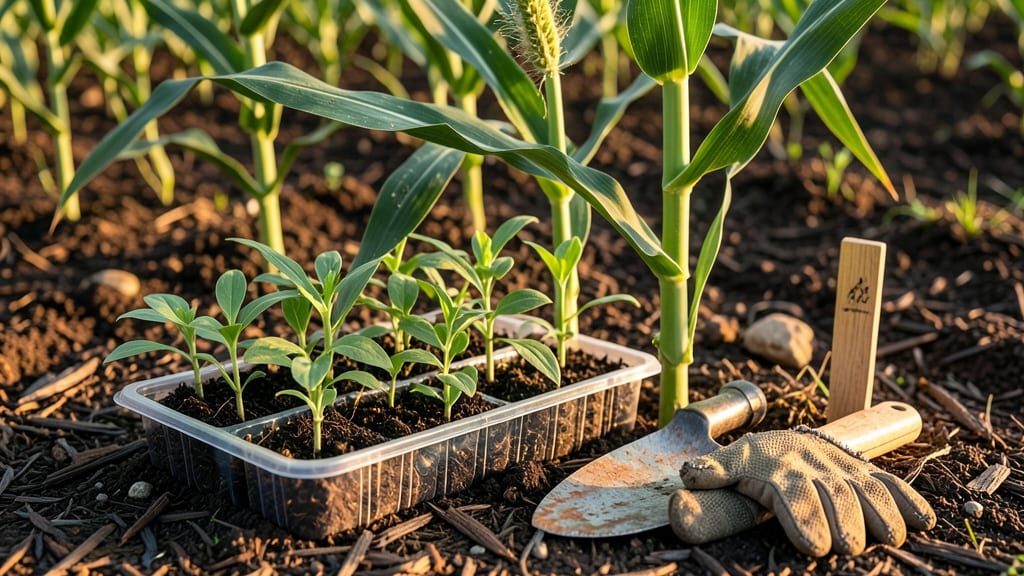
Planting corn in West Virginia at the wrong time could mean watching your 🌽 plants struggle through frost or bolt too early—both gardeners’ worst nightmares. The key to a thriving crop lies in timing it right with your local climate, where soil temperatures and frost dates dictate success.
In Zone 6a, most gardeners aim to plant between mid-April and early May, but even that window can shift based on weather patterns. Waiting until the soil reaches at least 60°F—about 1 inch deep—ensures strong root development before the growing rush begins.
This guide breaks down exactly when to plant for your specific microclimate, whether you’re in the mountains or the Eastern Panhandle. We’ll also cover how to adjust for late frosts, choose the right varieties, and protect young seedlings from unpredictable spring weather.
Ready to grow corn that’s taller than a basketball hoop and packed with flavor? Let’s get started with the perfect planting schedule for your WV garden.
West Virginia corn planting dates by soil temperature & frost risk
West Virginia’s USDA Zone 6a climate means corn planting hinges on soil temperature and last frost dates. Aim to plant after April 15 but before May 15, when soil warms to 50°F+ for 2+ weeks.
High-altitude areas (like the Allegheny Mountains) may need a 2-week delay due to cooler microclimates.
Use a soil thermometer to confirm readiness—corn seeds won’t germinate below 55°F. In lowland regions (Eastern Panhandle), you might start as early as mid-April, while higher elevations should wait until late April to early May to avoid frost damage.
Here’s your planting timeline based on West Virginia’s 165-day frost-free window:
| Region | Last Frost Date | Ideal Planting Window | Soil Temp Requirement |
|---|---|---|---|
| Eastern Panhandle (e.g., Martinsburg) | April 10–15 | Mid-April to early May | 50°F+ for 2 weeks |
| Central WV (e.g., Charleston) | April 15–20 | Late April to mid-May | 55°F+ for 1 week |
| Allegheny Mountains (e.g., Beckley) | May 1–10 | Early to mid-May | 60°F+ for 10 days |
| Appalachian Plateau (e.g., Elkins) | April 25–May 5 | Late April to early May | 50°F+ for 2+ weeks |
🌱 Pro Tip: Use black plastic mulch to warm soil faster in cooler zones.
For early varieties (like ‘Early Sunglow’), you can push planting to late March if you use row covers or a greenhouse. However, avoid planting too soon—cold soil causes poor germination and seed rot.
Monitor WVU Extension’s frost forecasts for real-time adjustments. If frost threatens after planting, cover seedlings with frost cloth or straw mulch to protect tender shoots until they’re 4–6 inches tall.
Late-planted corn (after May 15) may not mature before first frost. Choose short-season varieties (like ‘Bodacious’) if you must plant later, but expect smaller ears.
Test your soil’s pH (6.0–7.0) and organic matter before planting. Corn thrives in loamy, well-draining soil with 2–3 inches of compost mixed in. Amend heavy clay soils with sand or peat moss to improve drainage.
In high-altitude gardens (above 2,500 feet), extend your season by choosing dwarf varieties (like ‘Golden Bantam’) or using season extenders like low tunnels. These tricks help you squeeze in a 60–75-day harvest before frost.
Remember: Corn needs consistent warmth. If nighttime temps drop below 50°F after planting, growth stalls. Use warmth blankets or mulch to insulate soil and encourage faster germination.
🌽 Key Takeaway: Plant when soil hits 50°F+ and frost risk drops below 10%. Adjust for your local microclimate—high elevations need patience, while lowlands can start earlier.
West Virginia corn planting dates by soil temperature & frost risk
West Virginia’s USDA Zone 6a climate creates a tight window for planting corn (🌽), where soil temperature and frost dates dictate success.
Most gardeners aim for mid-April to early May, but high-altitude areas (like the Allegheny Mountains) may need to wait until late May to avoid late frosts.
The key is planting when the soil reaches 60°F at 1-inch depth—corn seeds won’t sprout below 50°F, and cooler soils stunt root growth.
Use the WVU Extension frost calculator to pinpoint your local last-frost date, which varies from April 15 in the Eastern Panhandle to May 15 in the Appalachian Plateau. For example, Charleston’s average last frost is April 20, while Elkins’ high-elevation zone often waits until May 5.
Planting too early risks frost damage, while delaying past May 15 may not give sweet corn enough time to mature before first frost (October 15).
| Zone/Region | Ideal Planting Window | Soil Temp Requirement | Frost Risk |
|---|---|---|---|
| Eastern Panhandle (Martinsburg) | April 20–May 5 | 60°F+ for 2+ weeks | Low (avg. last frost: April 15) |
| Northern WV (Morgantown) | April 25–May 10 | 60°F+ for 10 days | Moderate (avg. last frost: April 20) |
| Appalachian Plateau (Beckley) | May 1–May 15 | 60°F+ for 14 days | High (avg. last frost: May 5) |
| High Elevation (Elkins) | May 10–May 25 | 65°F+ for 2+ weeks | Very High (avg. last frost: May 15) |
For early varieties (85–95 days to maturity), like ‘Early Sunglow’, you can push planting to late March if you use row covers or a greenhouse. However, most gardeners in WV prefer to wait for stable 60°F soil temps to ensure strong germination.
Test your soil with a soil thermometer—if it’s below 55°F, delay planting or use black plastic mulch to warm the soil faster.
If you’re planting late varieties (110+ days), like ‘Country Gentleman’, start seeds indoors in late April and transplant after May 15. This extends your harvest window but requires disease-resistant varieties to combat WV’s humid summers.
Always space rows 30–36 inches apart to allow airflow and reduce corn smut risks.
Pro tip: In mixed microclimates (e.g., a sunny hillside vs. a shady valley), plant staggered rows every 2 weeks to ensure a continuous harvest. This is especially useful in WV’s 120–150-day growing season, where timing can make or break your yield.
Remember, West Virginia’s short season demands precision—don’t rush! A 1-week delay can mean the difference between plump kernels and underdeveloped ears. Use a planting calendar from your local WVU Extension office to fine-tune your schedule based on real-time data.