
Plants
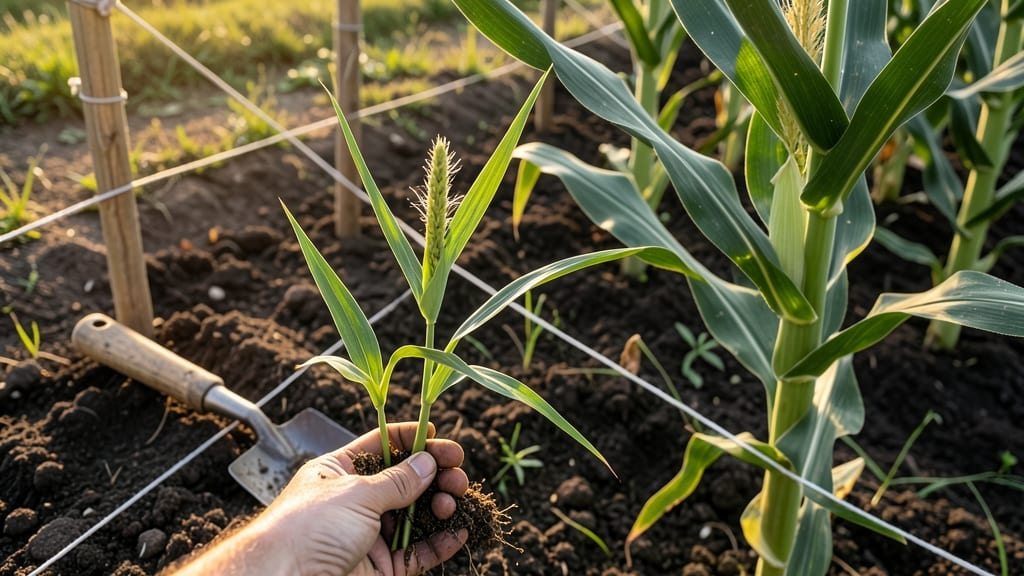
Timing your 🌽 corn planting in Idaho isn’t just about the calendar—it’s about beating the last frost while giving your plants enough warmth to thrive. With USDA Zones 5b-7b offering just 120-180 frost-free days, one wrong move could mean stunted ears or wasted seeds.
But nail the window, and you’ll enjoy homegrown corn that’s sweeter and more abundant than anything from the store.
Most Idaho gardeners swear by mid-April to mid-May as the sweet spot, but your exact timing depends on soil temperature and microclimate. High desert areas like Boise may need to wait until late April, while valley regions like Twin Falls can start earlier.
The key? Wait until the soil hits at least 50°F and the nighttime lows stay above freezing.
If you’ve ever planted corn only to watch it struggle through cool springs, you know how critical this is. I’ll walk you through the exact frost-free timeline for your zone, plus how to adjust for late frosts or early heat waves.
By the end, you’ll know not just when to plant, but how to set your corn up for a bumper harvest—no guesswork required.
Ready to turn your Idaho garden into a cornfield? Let’s dive into the data-driven schedule that separates successful harvests from disappointing patches.
You’ll learn which varieties perform best in your zone, how to time succession plantings for continuous harvests, and even how to spot the first signs of trouble before they derail your crop.
Idaho corn planting calendar: exact dates by USDA zone 7B-8A
Timing is everything when planting corn in Idaho, where USDA Zones 7B-8A create a delicate balance between cool mountain air and warm valley heat.
The last frost date in southern Idaho (Zone 8A) typically lands between April 15-30, while northern areas (Zone 7B) may wait until May 1-15. Planting too early risks frost damage, while waiting too long shortens the growing season—critical for 90-110 day varieties.
For Idaho’s short season, aim to plant corn seeds 2-3 weeks after your area’s last frost. This gives young plants time to establish roots before summer heat arrives.
In Zone 8A (south Idaho), that’s usually mid-April to early May, while Zone 7B (north Idaho) gardeners should wait until late April to mid-May. Use a soil thermometer—corn germinates best when soil reaches 50°F (10°C).
🌽
| Zone | Last Frost Date | Optimal Planting Window | Soil Temp Threshold | Maturity Group |
|---|---|---|---|---|
| 7B (North Idaho) | May 1-15 | Late April–Mid-May | 50°F (10°C) | 90–100 days |
| 8A (South Idaho) | April 15-30 | Mid-April–Early May | 50°F (10°C) | 90–110 days |
| High Desert (e.g., Boise) | May 1-10 | Late April–Early May | 55°F (13°C) | 85–95 days |
Succession planting extends your harvest in Idaho’s short season. After your first planting, sow additional seeds every 2 weeks until June 15. This staggered approach ensures a steady supply of sweet corn from late July to early October.
For fall planting (high-risk), only attempt it in Zone 8A with fast-maturing varieties (80 days), planting by July 15 for a September harvest before frost.
Microclimates matter in Idaho. Valley areas like Boise and Twin Falls warm up faster, allowing earlier plantings, while mountain foothills may need to wait until mid-May. Check local agricultural extension data—Idaho State University’s extension office provides hyperlocal frost forecasts—to fine-tune your schedule.
Pro tip: Use black plastic mulch to warm soil 5-10°F faster, giving you a 2-week head start in cooler zones.
🌡️
Corn’s germination window is narrow—seeds must stay moist and warm for 7-10 days to sprout. If your soil cools below 50°F during this period, germination stalls. To mitigate risks, pre-warm seeds by soaking them in warm water (80°F) for 12 hours before planting.
For direct sowing, plant 1-1.5 inches deep and 4-6 inches apart in rows 30-36 inches apart. Thinning to 12 inches apart later improves air circulation and ear development.
Don’t overlook fall frost dates, which can arrive as early as mid-October in Zone 7B or late October in Zone 8A. Choose early-maturing varieties (e.g., ‘Ambrosia’ or ‘Bodacious’) if your season is under 120 days.
These 85-day varieties can complete their cycle before frost, while 110-day varieties may struggle in short-season areas. Always calculate your first frost date minus your variety’s days to maturity—this gives your safe planting window.
📅
For container growing in Idaho, opt for bush corn varieties like ‘Golden Bantam’ (75 days) or ‘Peaches and Cream’ (85 days). Plant in 5-gallon pots after last frost, ensuring pots are at least 12 inches deep. Containers warm up faster than soil, so you can plant
5 Critical factors that determine your Idaho corn planting success
Timing your Idaho corn planting isn’t just about dates—it’s about microclimates, soil conditions, and even seed depth. In Idaho’s USDA Zones 7B-8A, a 1-2 week shift can mean the difference between a bumper crop and bolted plants.
Let’s break down the 5 game-changers that separate successful harvests from disappointing failures.
First, soil temperature is your #1 priority. Corn seeds won’t germinate reliably below 50°F, and Idaho’s cool nights can delay warming. Use a soil thermometer to confirm consistency—wait until morning temps stay above 55°F for 5 consecutive days.
In valley areas like Boise, this often means mid-to-late May, while high-desert regions like Twin Falls may need to push to early June.
- 1. Soil Temperature: Wait until 50°F+ soil temps for 5 days (use a thermometer).
- 2. Microclimate: Valleys warm faster; high desert cools slower—adjust dates by 1-3 weeks.
- 3. Seed Depth: Plant 1-1.5 inches deep for consistent germination (deeper = slower sprouting).
- 4. pH Balance: Test soil—Idaho’s 6.0-7.0 pH is ideal; amend with lime if needed.
- 5. Companion Plants: Pair with beans or squash to deter pests and improve soil nitrogen.
Your microclimate is the wild card in Idaho corn growing. A south-facing slope in Zone 8A (like Meridian) can be 2-3 weeks earlier than a northern exposure in Zone 7B (like Coeur d’Alene).
Use local frost records from the Idaho Climate Office—their 10-year averages show last frost dates ranging from April 15 in Treasure Valley to May 10 in the Panhandle. Plant succession crops every 2 weeks in May to stretch your harvest window.
Don’t overlook seed depth—it’s a common mistake that costs Idaho gardeners 20-30% germination. Plant seeds 1-1.5 inches deep in loose, well-draining soil. Deeper planting (like 2+ inches) forces seedlings to work harder, risking rot in Idaho’s damp springs.
After sowing, press soil gently to ensure good seed-to-soil contact, then water lightly to settle the seedbed without displacing seeds.
Idaho’s alkaline soils often need pH adjustments before planting. Test your soil—most Idaho gardens fall in the 7.5-8.5 range, but corn thrives at 6.0-7.0.
If your test shows above 7.2, amend with elemental sulfur (apply 2-3 months before planting). Never use lime unless your pH is below 6.0, or you’ll lock out nutrients. Compost or aged manure also helps buffer pH while adding organic matter.
Finally, companion planting can boost your Idaho corn’s resilience. Pair it with pole beans (they fix nitrogen) or bush beans (deter corn earworms). Avoid planting near tomatoes or cabbage, which compete for nutrients.
In small-space gardens, interplant radishes or lettuce between corn rows—they mature quickly and mark your planting lines while suppressing weeds.
Master these 5 factors, and you’ll turn Idaho’s short growing season into a corn-growing advantage. Start with soil prep in early spring, monitor temps like a hawk, and adjust your timeline based on your specific microclimate.
With the right approach, you’ll be harvesting sweet corn by late July—just in time for Idaho’s first BBQ season! 🌽