
Companion Plants
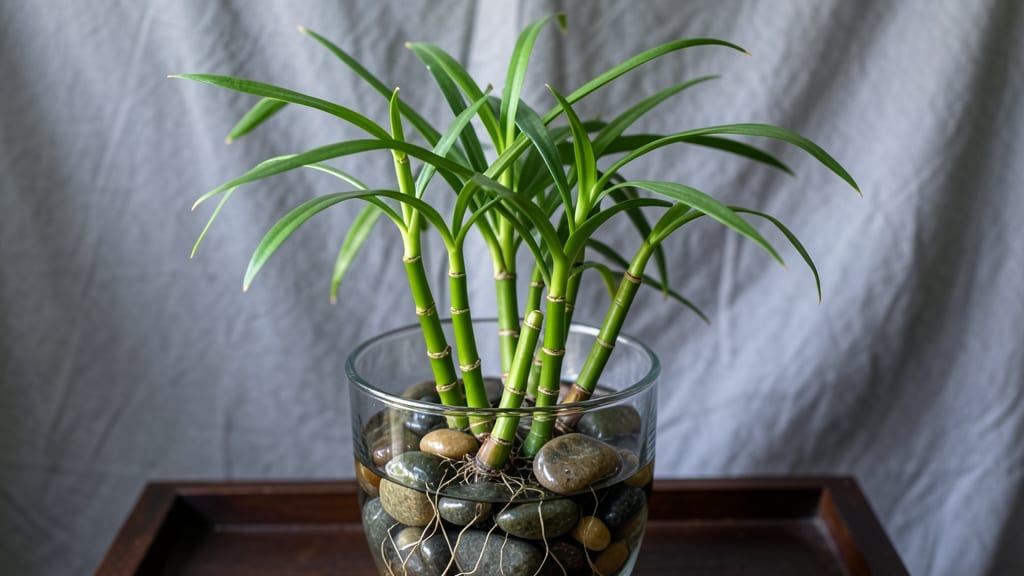
If you're wondering how tall can a bamboo plant grow, the answer might surprise you—some varieties shoot up like skyscrapers, while others stay neatly compact. 🌿 Whether you're dreaming of a towering privacy screen or worried about space, understanding bamboo's growth potential is key to planning your garden.
Bamboo isn't just one plant—it comes in a stunning range of heights, from dwarf varieties that barely reach your knees to giant species that dwarf even the tallest trees. For example, Phyllostachys can soar over 60 feet, while Bambusa multiplex stays a manageable 10-20 feet tall.
The difference often comes down to whether it's clumping or running bamboo.
Fast growth is part of the fun, but it also means you need to think ahead about containment, especially in smaller yards. Running bamboo, in particular, can spread aggressively if not controlled, while clumping types stay put.
Knowing which species fits your space—and your goals—will save you headaches down the road.
Ready to turn your yard into a lush bamboo oasis? I’ll break down the fastest-growing types, how to manage their height, and the best varieties for different spaces. Let’s get started!


Bamboo growth heights by variety: from dwarf to giant species
Bamboo plants are famous for their rapid growth, but their mature heights can vary dramatically—from dwarf varieties under 5 feet to giant species towering over 100 feet. The difference often comes down to whether the bamboo is clumping (non-invasive) or running (aggressive spreaders).
Understanding these categories helps you choose the perfect variety for your space, whether you want a privacy screen or a small container plant.
Clumping bamboo grows in tight clusters, making it ideal for small gardens or urban spaces. These varieties rarely exceed 20 feet tall, with some dwarf types staying under 10 feet.
Running bamboo, on the other hand, spreads via underground rhizomes and can reach 60+ feet in height, demanding careful containment. The key to managing running bamboo lies in root barriers and strategic pruning—more on that later!
🌿 Visual Comparison: Imagine a 5-foot dwarf bamboo next to a 60-foot giant. The dwarf could fit in a large pot on your patio, while the giant would rival a 10-story building. Here’s how they stack up:
The Phyllostachys genus alone includes over 100 species, with some like Phyllostachys aureosulcata (Golden Bamboo) shooting up 6 feet in a single season. In contrast, Bambusa multiplex varieties like 'Tiny Tower' max out at 5–6 feet, perfect for balcony gardens or indoor pots.
Always check the species name—mislabeling is common in nurseries!
Climate plays a huge role in height potential. Tropical bamboo (e.g., Dendrocalamus) thrives in USDA Zones 9–11 and can hit 100 feet with ideal conditions. In cooler zones (e.g., Zones 5–7), species like Fargesia stay shorter but still offer lush foliage.
For example, Fargesia robusta grows 10–15 feet tall but rarely spreads invasively.
If you’re planning a privacy hedge, Phyllostachys nigra (Black Bamboo) is a stunning choice, reaching 30–40 feet while staying clumping. For a low-maintenance border, Bambusa multiplex 'Alphonse Karr' tops out at 8 feet and thrives in containers.
The trade-off? Slower growth—expect 1–2 feet per year compared to 5+ feet for aggressive runners.
Pro tip: Measure your space before buying. A 10-foot bamboo planted near a 6-foot fence will quickly outgrow its welcome! For running bamboo, install a 3-foot-deep root barrier to prevent underground spread. I’ve seen Phyllostachys vivax (a runner) breach 2-foot barriers in just 3 years—so plan ahead!
Height isn’t the only factor—canopy spread matters too. Some dwarf bamboo (like Bambusa oldhamii) grows 10 feet wide despite its 6-foot height. Always ask nurseries for mature dimensions, not just the plant’s current size.
A 3-gallon pot might look small, but it could become a 50-foot monster in a decade!
🌱 For a real-world example, my neighbor planted Phyllostachys aureosulcata as a "quick privacy screen." Within 5 years, it topped 40
How to control bamboo height and spread for small gardens
If your small garden is at risk of becoming a bamboo jungle, don’t panic—there are smart ways to manage its growth without sacrificing beauty. The key lies in understanding your bamboo’s growth habit (clumping vs. running) and using containment methods tailored to its type.
For example, running bamboo spreads aggressively via underground rhizomes, while clumping bamboo stays put, making it ideal for tight spaces.
Start by choosing the right variety for your space. Dwarf clumping types like Bambusa multiplex (thunderhead bamboo) max out at 5–10 feet and won’t invade your yard. Even if you already have invasive runners, root barriers can save your landscape.
These buried plastic or metal barriers block rhizomes from spreading beyond a set boundary—just install them at least 3 feet deep and 2 feet wider than your desired containment zone.
Don’t rely on above-ground fences or mulch alone—they won’t stop running bamboo. Rhizomes grow horizontally underground and can bypass shallow barriers. Always dig deep!
For existing bamboo, regular pruning keeps height in check. Cut back 1/3 of the oldest canes each year in late winter to encourage new growth while preventing the plant from becoming top-heavy.
Use sterilized pruners to avoid disease, and always cut just above a node (the bump where leaves emerge) to promote bushier regrowth.
Another game-changer? Container planting. Many bamboo varieties thrive in pots, including Bambusa multiplex and Phyllostachys nigra (black bamboo). Choose containers at least 18 inches wide and deep with drainage holes, and refresh the soil every 2–3 years to prevent nutrient depletion.
This method works beautifully for patios or balconies where space is limited.
Mulching is your secret weapon for moisture retention and weed suppression, but avoid thick layers—keep it to 2–3 inches of organic mulch (like shredded bark) to prevent rot.
Pair this with consistent watering (deep soaks 2–3 times per week in summer) to encourage strong root development, which naturally stabilizes the plant and reduces erratic growth spurts.
Finally, monitor your bamboo’s health year-round. Yellowing leaves or sparse canes signal nutrient deficiencies or overcrowding. In these cases, thin out the oldest canes and apply a balanced fertilizer (10-10-10) in early spring.
With these strategies, even the most aggressive bamboo can coexist peacefully in your small garden—without sacrificing style or sanity.
🌱