
Companion Plants
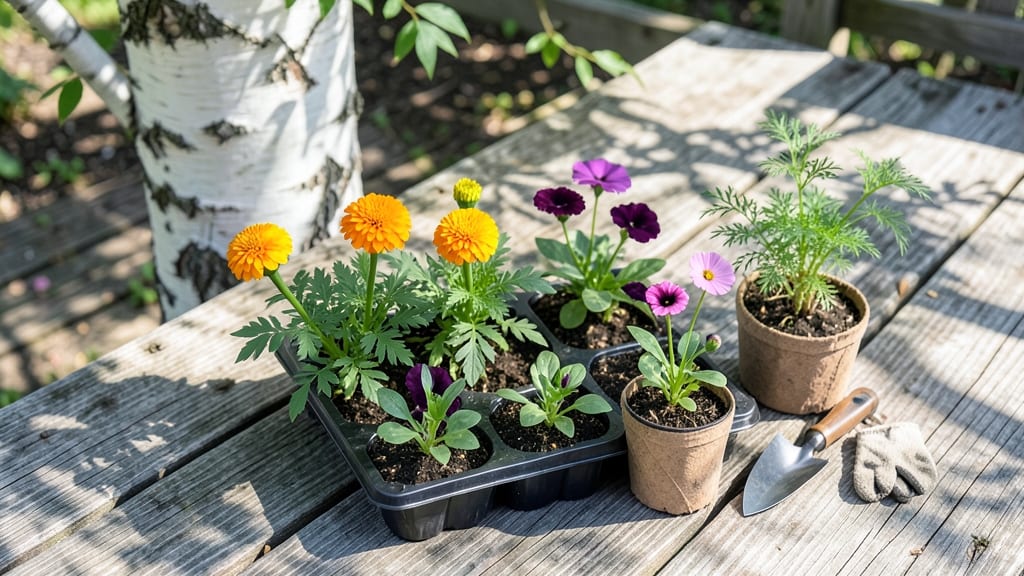
Planting your 🌸 annuals at the wrong time in Zone 5 can turn your dream garden into a sad, frost-nipped memory—but the good news is, timing your plantings correctly is easier than you think.
Most gardeners in Zone 5a-5b wait until after the last frost date (typically mid-April to early June), but did you know some cold-hardy annuals can handle lighter frosts? The key is knowing which plants to start early and which to wait for warmer soil.
In this guide, I’ll break down the exact windows for planting everything from frost-tolerant pansies to heat-loving tomatoes, plus how to adjust for your specific microclimate. No more guessing—just a clear roadmap to a garden that thrives all season long.
Whether you're a first-time gardener or a seasoned pro, these practical timing tips will help you avoid common mistakes and get the most out of your Zone 5 planting season. Let’s get started!
Zone 5 last frost dates by month: when to plant annuals safely
Getting your annuals in the ground at the right time in Zone 5 is all about avoiding those sneaky late frosts that can wipe out tender seedlings.
The average last frost date for most of Zone 5 falls between April 15 and May 15, but this varies by location—northern areas (like 5a) may see frost as late as May 10, while southern 5b regions might warm up by April 20.
To plant with confidence, I always check the USDA Plant Hardiness Zone Map and local weather forecasts (like your Almanac's Frost/Freeze Guides). Microclimates—like south-facing slopes or urban heat islands—can push your planting window 1-2 weeks earlier than the average.
For example, a sunny garden bed may warm up faster than a shady one.
Here’s how I break down the planting timeline for Zone 5 annuals to maximize success:
| Month | Average Last Frost Date | Safe Planting Window | Notes |
|---|---|---|---|
| April | Mid-April (Zone 5b) to Late April (Zone 5a) | Cold-hardy annuals (e.g., peas, lettuce, pansies) | Use row covers for extra protection. |
| May | Early to Mid-May (varies by location) | Most annuals (tomatoes, marigolds, basil) | Wait until soil reaches 60°F (15°C). |
| June | N/A (frost risk minimal) | Heat-loving annuals (okra, sweet potatoes) | Plant after May 20 for best results. |
| August | N/A (fall planting) | Cool-season annuals (kale, snapdragons) | Sow 6-8 weeks before first frost (usually late Sept). |
| September | Early September (Zone 5b) | Late bloomers (cosmos, zinnias) | Choose fast-maturing varieties. |
Pro tip: I always test my soil temperature with a soil thermometer before planting heat-sensitive annuals like tomatoes or peppers. If the soil is below 60°F (15°C), wait another week—cold soil slows germination and stunts growth.
For cold-hardy annuals like pansies or snapdragons, I start seeds indoors in March to get a head start.
Zone 5’s first frost typically arrives between October 1 and October 15, but you can extend your growing season by planting fast-maturing annuals in late summer. For example, I sow bush beans or radishes in early August—they’ll mature before the first frost hits.
Just avoid planting heat-lovers like basil after July 15, as they’ll bolt or struggle in cooler temps.
One mistake I see often? Planting tomatoes or cucumbers too early, assuming the frost is over. Even a light frost (28°F/-2°C) can damage young leaves, setting plants back weeks.
To avoid this, I mark my calendar with the average last frost date for my specific area and add a 1-2 week buffer for safety.
For container gardening in Zone 5, you can push your planting window slightly earlier or later because pots warm up faster than in-ground soil. I move my potted basil or petunias outside in mid-May (instead of waiting for late May) and bring them in if frost is forecasted.
Just ensure containers have drainage holes to prevent root rot from spring rains.
If you’re unsure about your local frost dates, I recommend using the National Weather Service’s Frost/Freeze Forecast or signing up for local gardening group alerts. These resources often provide hyper-local updates that can save your plants from unexpected cold snaps.
For example, a valley area might frost over 2 weeks earlier than a nearby hilltop.
Remember, Zone 5’s growing season is short—about 150-180 frost-free days. Planning your annuals around this timeline ensures you get the most out of your garden.
Start with cold-hardy varieties in early spring, transition to heat-lovers in late spring/early summer, and finish with cool-season annuals in late summer/fall.
Best annual plants for Zone 5: cold-hardy vs. heat-loving varieties
Not all annuals thrive in Zone 5’s cool springs and variable fall temperatures. Some plants, like pansies and snapdragons, can handle light frosts, while others, such as tomatoes and basil, need warm soil to germinate.
Knowing which plants fit your planting window is key to a successful garden.
I’ve organized this list by frost tolerance, so you can plant confidently whether you’re starting in early spring or late summer. For each plant, I’ve included the ideal planting window and spacing tips to maximize your garden’s potential.
🌱 Cold-Hardy Annuals (Plant 4-6 Weeks Before Last Frost) These tough plants can handle light frosts (28-32°F) and often bloom earlier in the season. Perfect for gardeners eager to start planting as soon as the ground thaws!
Plant: March–April | Spacing: 8–12 inches apart | Notes: Thrives in cool weather and partial shade.
Plant: March–May | Spacing: 10–12 inches apart | Notes: Biennial in mild winters; may rebloom next year.
Plant: March–April or August–September | Spacing: 6–8 inches apart | Notes: Bolt-resistant varieties like 'Black Seeded Simpson' work best.
Plant: March–April | Spacing: 2–3 inches apart | Notes: Cold-hardy and nitrogen-fixing—great for soil health.
For heat-loving annuals, wait until the soil warms to 60°F (15°C)—usually late May to early June in Zone 5. These plants need consistent warmth to thrive and produce abundantly.
☀️ Heat-Loving Annuals (Plant After Last Frost) These sun-worshippers need full sun (6+ hours) and warm soil to germinate. Plant them too early, and they’ll languish or fail to sprout entirely.
Plant: After May 15 | Spacing: 18–24 inches apart | Notes: Stake or cage for support; avoid planting too early.
Plant: May–June | Spacing: 12–24 inches apart | Notes: Drought-tolerant once established; great for pollinators.
Plant: After May 15 | Spacing: 6–8 inches apart | Notes: Heat-loving; pinch back for bushier growth.
Plant: April–June | Spacing: 8–12 inches apart | Notes: Pest-repellent; great for companion planting.
Pro tip: If you’re eager to plant heat-lovers early, use black plastic mulch or row covers to warm the soil faster. Just remove them once plants are established to avoid overheating!