
Flowers
Michigan’s last frost dates by region: USDA Zone 5 vs. 6 timelines
Michigan’s USDA Zones 5 and 6 create a clear divide in planting timelines, with northern regions like Traverse City and Marquette (Zone 5) facing later last frosts than southern areas like Detroit or Ann Arbor (Zone 6).
Understanding these differences is critical to avoiding frost damage to your tender flowers. The average last frost date in Zone 6 typically falls between April 15-30, while Zone 5 gardeners often wait until May 1-15.
However, these dates are just averages—actual frost dates can vary by 1-2 weeks depending on elevation and local weather patterns. For example, Grand Rapids (Zone 6) might see its last frost by April 20, while Houghton (Zone 5) could experience late frosts as late as May 10.
Using historical data from Michigan State University Extension ensures you’re planting at the safest time.
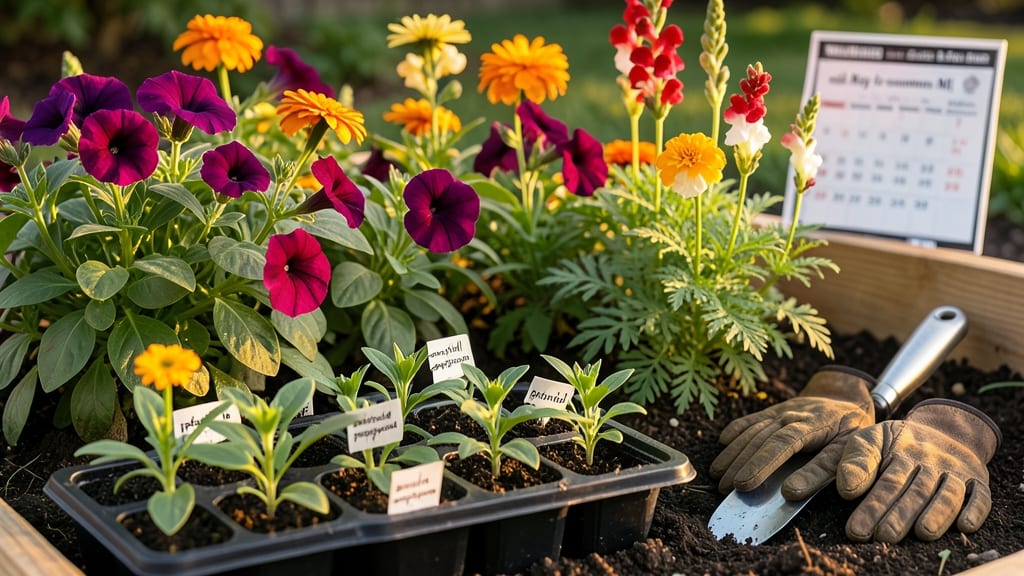
To protect your annual flowers and tender perennials, always check the 10-day forecast before planting. Even after the average last frost, a late cold snap can devastate young plants. For instance, pansies and snapdragons can handle light frosts, but marigolds and petunias need warmer soil temperatures to thrive.
Here’s how to use this comparison table to plan your planting schedule based on your specific location in Michigan:
| Region | USDA Zone | Average Last Frost Date | Safe Planting Window | Notes |
|---|---|---|---|---|
| Southern Michigan (Detroit, Ann Arbor) | 6a-6b | April 15-30 | Mid-April to early May | Earlier frosts possible near lakes |
| Central Michigan (Lansing, Grand Rapids) | 5b-6a | April 25-May 10 | Late April to mid-May | Check local forecasts for late frosts |
| Northern Michigan (Traverse City, Marquette) | 5a-5b | May 1-15 | Mid-May to early June | Longer growing season; start seeds indoors |
| Upper Peninsula (Houghton, Iron Mountain) | 4b-5a | May 10-25 | Late May to early June | Short season; prioritize cold-hardy flowers |
If you’re unsure about your local frost dates, use the Michigan State University Frost Tracker or the National Weather Service’s Frost Probability Maps to get real-time updates. These tools provide 7-day forecasts and historical data to help you make informed decisions.
For example, if you’re in Zone 6 but near a large body of water, like Lake Michigan, you might experience later frosts due to lake-effect cooling.
Another critical factor is soil temperature. Even if the air is warm, cold soil can stunt seed germination. Use a soil thermometer to ensure temperatures are above 50°F before planting warm-season flowers like zinnias or cosmos.
In Zone 5, this often means waiting until late May for these heat-loving varieties.
For perennial flowers, like daylilies or coneflowers, you can plant as early as April in Zone 6, but avoid disturbing the soil too early—this can wake up dormant weeds and pests.
In Zone 5, wait until the soil is workable (usually late April to early May) to minimize stress on the plants.
Protecting young plants from unexpected frosts is easier than you think. Use row covers, cloche tunnels, or even old blankets to shield delicate seedlings. For bulbs like tulips or daffodils, plant them in fall (September-October) to ensure they establish roots before winter.
This gives them a head start for spring blooms without frost concerns.
Remember,
Best frost-tolerant flowers to plant early (before last frost) vs. heat-loving varieties for late planting
Michigan gardeners can extend their blooming season by choosing the right flowers for early or late planting. Frost-tolerant varieties like pansies and snapdragons can handle light frosts down to 25°F, while heat-loving annuals like marigolds thrive when planted after the last frost.
Knowing which flowers fit your Zone 5-6 planting windows ensures vibrant blooms all season.
For early spring planting (before last frost), prioritize hardy annuals and biennials that can withstand cool soil temperatures (45-50°F). These include pansies, sweet alyssum, and calendula, which often bloom within 30-45 days of planting. Their ability to handle brief frost exposure makes them ideal for Michigan’s unpredictable spring.
🌱
| Plant Type | Best For | Planting Window | Frost Tolerance |
|---|---|---|---|
| Pansies | Early Spring/Blooms All Season | March-April (before last frost) | 25°F |
| Snapdragons | Early Spring/Fall | April or August-September | 28°F |
| Marigolds | Late Spring/Summer | After last frost (May-June) | 32°F (mild frost) |
| Zinnias | Summer/Fall | May-July (after frost) | 30°F (young plants) |
| Calendula | Early Spring/Late Fall | April or September | 28°F |
If you’re planting after the last frost (mid-May in Zone 6, late May in Zone 5), focus on heat-tolerant annuals like zinnias, cosmos, and sunflowers. These varieties thrive in warm soil temperatures (60°F+) and can handle Michigan’s summer heat waves without wilting.
For fall planting, consider cosmos, black-eyed Susans, and asters, which bloom until the first frost.
For perennial flowers, timing matters less—just ensure the soil isn’t frozen. Daylilies, coneflowers, and black-eyed Susans can be planted in early spring (April) or early fall (September) for established roots before winter. Always water deeply after planting to help roots establish, especially during Michigan’s dry summer months.
💧