
Companion Plants
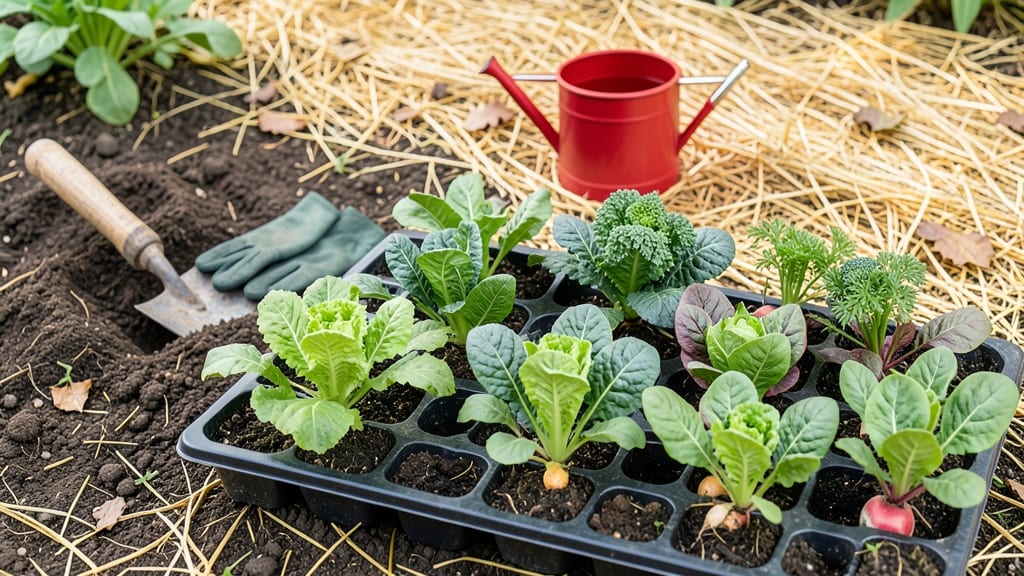
Planting a fall garden in South Texas isn't just about timing—it's about outsmarting the heat while making the most of your 300+ frost-free days. The key? Starting 6-8 weeks before your first potential frost, which in this zone means locking in your crops between August and October.
Here’s the catch: unlike cooler climates, South Texas gardeners can’t just wait for summer to fade. You need to prep your soil in July—adding compost and mulch—to beat the residual heat.
Then, choose heat-tolerant varieties like kale, broccoli, and carrots (🥕) that thrive in the transition from sweltering to crisp.
I’ll show you exactly which crops to plant when, how to stretch your growing season with shade tricks, and why August is your last chance for warm-season holdouts like okra. Skip the guesswork and get a harvest that lasts well into December.
Whether you’re a first-time gardener or a seasoned pro, these heat-zone hacks will turn your South Texas fall garden into a year-round success—no frost required.
South Texas heat-zone planting timeline: exact dates for fall crops
South Texas gardeners know the drill: scorching summer heat gives way to a short but productive fall. Unlike northern climates, we don’t have to worry about first frost dates—but we do need to time our planting perfectly to avoid late-season heat stress or wasted seed money.
The key? Understanding your USDA Zone 8b-9a microclimates and planting warm-season vs. cool-season crops at the right moments.
Most South Texas gardeners can start fall planting as early as late July for heat-tolerant crops like okra and sweet potatoes. By mid-August, you’ll want to shift to cool-season crops such as kale, broccoli, and lettuce.
The window closes around early October for most leafy greens, as temperatures begin to dip—but don’t panic if you miss it! Some crops, like spinach and radishes, can handle a light frost (rare but possible in December).
🌱 South Texas Fall Planting Timeline
| Crop Type | Planting Window | Notes |
|---|---|---|
| Warm-Season (Heat-Lovers) | Late July - Early August | Okra, sweet potatoes, peppers (plant before temps drop below 70°F) |
| Cool-Season (Moderate Temps) | Mid-August - Late September | Broccoli, kale, cabbage, lettuce (avoid planting after 9/15 for best yields) |
| Fast-Growing (Late Planting) | Early October - Early November | Radishes, spinach, arugula (harvest before temps drop below 40°F) |
| Herbs & Greens (Frost-Tolerant) | Late September - Early December | Cilantro, parsley, Swiss chard (can survive light frost) |
💡 Pro Tip: Use a soil thermometer—cool-season crops thrive when soil temps are below 75°F.
If you’re in coastal South Texas (e.g., Corpus Christi, Brownsville), you’ve got a slight edge: cooler ocean breezes delay heat stress by 1-2 weeks. Inland areas (San Antonio, Austin) can be 5-10°F warmer, so adjust your planting dates earlier to avoid bolting greens or stunted growth.
Always check your local agricultural extension office for microclimate-specific advice—they track real-time data that can save your garden!
One critical mistake I see often? Planting tomatoes or peppers after mid-August. These heat-loving crops need consistent warmth, and by September, days shorten and temps drop. Instead, opt for heat-tolerant varieties like ‘Heatmaster’ tomatoes or ‘Jalapeño M’ peppers if you’re pushing the envelope.
For most gardeners, though, late July is the cutoff for warm-season crops.
For cool-season crops, timing is everything. Plant broccoli and cabbage by mid-August to ensure they mature before December’s rare cold snaps. Leafy greens like lettuce and spinach can handle light frost, but they’ll bolt (go to seed) quickly if planted too late.
Aim for a 60-70 day harvest window before your average first frost date (even if it’s just a light freeze in December).
Don’t forget about succession planting—this is your secret weapon in South Texas! Instead of planting all your radishes or lettuce at once, stagger seeds every 2 weeks from August through October. This ensures a continuous harvest and prevents overwhelming bolting when temps drop.
For example, plant half your radish seeds in August and the other half in early September—you’ll enjoy fresh radishes for 6+ weeks instead of just 2.
Finally, pay attention to moon phases if you’re a traditionalist—though science is mixed, many South Texas gardeners swear by planting leafy greens during the waxing moon for lush growth.
Pair this with proper soil prep (compost + mulch) and consistent watering, and you’ll be rewarded with a fall garden that outshines your neighbors’.
Ready to dive deeper? Next, we’ll cover 5 heat-zone hacks to extend your South Texas fall garden—because even with perfect timing, you’ll need these tricks to beat the unpredictable Texas weather! 🌿
5 Heat-zone hacks to extend your South Texas fall garden
South Texas’s long, hot summers make fall gardening tricky—but with the right strategies, you can push your growing season well into December. The key? Beat the heat while preparing for cooler temps. Here are my top 5 heat-zone hacks to maximize your fall harvest.
First, use shade cloth (30-50% coverage) over seedlings in August and September to protect them from scorching afternoon sun. This buys you 2-3 extra weeks of viable planting before cool-season crops like kale and spinach can handle full sun.
Next, mulch aggressively—this isn’t just about weeds. A thick layer of mulch (straw or wood chips) keeps soil temps 5-10°F cooler and locks in moisture. For coastal South Texas, where humidity lingers, opt for straw mulch to prevent fungal issues.
Don’t overlook succession planting. In South Texas, you can stretch your harvest by sowing fast-growing crops like radishes or turnips every 2 weeks from late August through October. This ensures you’re always harvesting something fresh, even as temps dip.
Finally, adjust your watering schedule. Morning watering (before 10 AM) reduces evaporation and fungal risks. Use drip irrigation or soaker hoses to deliver water directly to roots—this saves 30-40% more water than overhead sprinklers.
With these hacks, your South Texas fall garden can thrive longer and hardier than you’d expect—even as the first cool fronts roll in. 🌱