
Companion Plants
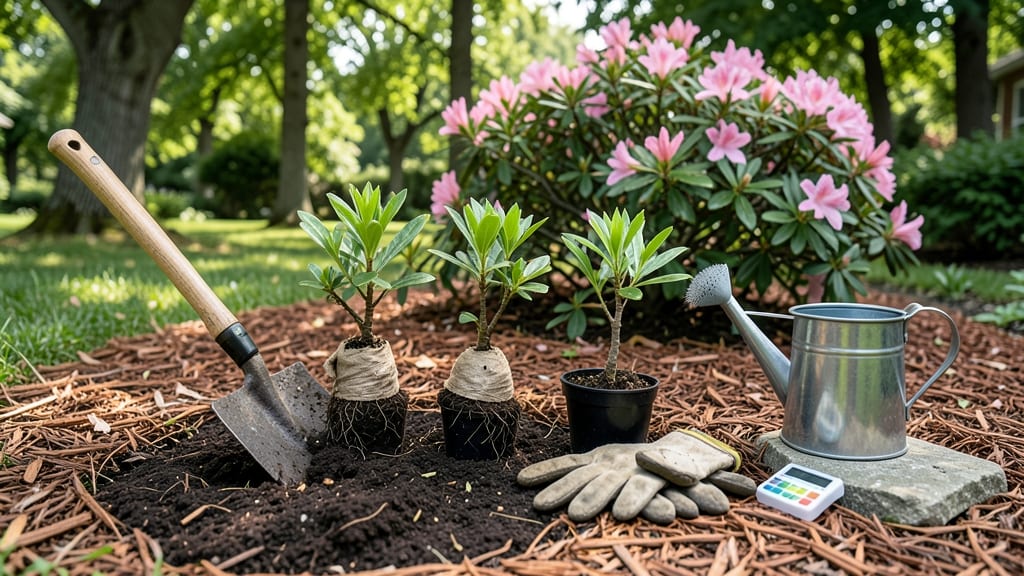
Planting azaleas in Texas isn't just about avoiding frost—it's about outsmarting the heat to give your 🌸 thriving blooms year after year. The key window for success is fall, when cooler temps and consistent rains help roots establish before summer's brutal sun.
Most Texas gardeners in zones 8a-10b swear by October-November planting, but early spring works too if you act fast. The difference between these times isn't just timing—it's about how your azaleas handle Texas's alkaline soil and scorching afternoons.
I've seen beautiful azaleas wilt within weeks when planted at the wrong time, but the right approach transforms them into Texas-tough shrubs. Whether you're working with native varieties or heat-loving hybrids, these planting secrets will make all the difference.
Let's break down exactly when to plant, how to prep your soil, and the simple tricks that keep azaleas blooming beautifully even through our longest, hottest summers.
Best planting months for azaleas in Texas heat zones (8-10)
Texas’s USDA zones 8-10 create a unique challenge for azalea lovers—too hot in summer, but frost-free winters in Zone 10 mean traditional fall planting windows shift dramatically.
The key isn’t just avoiding frost (which barely exists in Zone 10) but timing your azaleas to beat the 100°F+ heat that stresses young roots.
For Zones 8a-9a, the sweet spot is October-November, when soil stays warm enough for root growth but afternoon temps dip below 85°F. In Zone 10, where frost is rare, February-March becomes your best bet—planting early enough to establish roots before the summer monsoon season arrives.
Here’s the golden rule: Plant when soil temps hover between 60-70°F. In Texas, that means avoiding June-August like the plague—your azaleas will bake in the heat before they even think about blooming.
Native Texas azaleas (like Enkianthus or Rhododendron vaseyi) handle heat slightly better than non-native varieties, but all benefit from afternoon shade and mulched soil to retain moisture.
Pro tip: Test your soil pH before planting—Texas’s alkaline clay (often pH 7.5-8.5) is azaleas’ worst enemy. Aim for pH 4.5-6.0 by amending with sulfur or peat moss. A soil test kit (like the LaMotte brand) costs $20 and saves your plants from a slow, miserable death.
If you’re in Zone 10 and miss the February window, don’t panic—September is your second-best shot, but you’ll need to water daily and provide 50% shade cloth until roots establish. Think of it as azalea boot camp for Texas heat.
For container-grown azaleas, timing shifts slightly: Spring planting (March-April) works if you keep pots in partial shade and water every 3-5 days. Containers dry out 3x faster in Texas heat, so self-watering pots are a game-changer.
Remember: Azaleas hate transplant shock, so water deeply 1-2 days before moving them to their forever home. Add a root stimulator (like Bonide Root Stimulator) to the planting hole for an extra 20% root growth boost in the first month.
🌸
How to outsmart Texas heat: azalea planting hacks for Zone 9-10
Texas’s USDA zones 9-10 present unique challenges for azalea lovers—scorching summers and alkaline soils can turn your acid-loving azaleas into crispy casualties. But with the right planting hacks, you can outsmart the heat and enjoy vibrant blooms year after year.
The key? Timing, shade, and soil prep that mimic their native woodland habitats.
First, avoid summer planting at all costs. The intense 100°F+ temperatures in zones 9-10 stress young roots, leading to transplant shock. Instead, focus on late fall (November) or early spring (February-March) when temperatures are milder.
Even then, acclimate container-grown azaleas for 1-2 weeks before planting by gradually exposing them to outdoor conditions.
Shade Strategy
Install dappled shade cloth (30-50%) over new plantings during peak summer months (June-August). Native live oak trees provide ideal filtered light.
Use reflective mulch like white gravel around the base to deflect afternoon sun and reduce soil temperatures by up to 10°F.
Plant tall grasses or bamboo on the south and west sides to create natural windbreaks and shade.
Choose evergreen varieties like 'George L. Taber' or 'Mardi Gras' that tolerate partial shade better than deciduous types.
For watering hacks, deep soak your azaleas every 5-7 days during summer heatwaves (June-August) rather than frequent shallow watering. Use drip irrigation or soaker hoses to deliver water directly to the root zone, reducing evaporation.
A 3-inch layer of mulch (pine bark or pine straw) retains moisture and insulates roots from temperature swings.
Texas’s alkaline soils (pH 7.5-8.5) are another silent killer. Before planting, amend the soil with sulfur or peat moss to lower pH to 5.0-6.0. Mix 1 part sulfur to 10 parts soil and water thoroughly.
For established plants, apply acid-loving plant fertilizer (like 8-10-10) in early spring and fall to maintain optimal soil chemistry.
Pro tip: Container gardening works surprisingly well in zones 9-10. Use acidic potting mix and 15-20 gallon pots with drainage holes. Move containers to shaded patios during peak heat (11 AM-3 PM) and bring them indoors if temperatures exceed 95°F for more than 3 days.
This gives you control over soil pH and moisture.
With these heat-smart strategies, your azaleas will reward you with longer bloom seasons and fewer stress signals like yellowing leaves or bud drop. The secret? Treating them like the delicate woodland natives they are—even in the heart of Texas’s furnace. 🌸