
Companion Plants
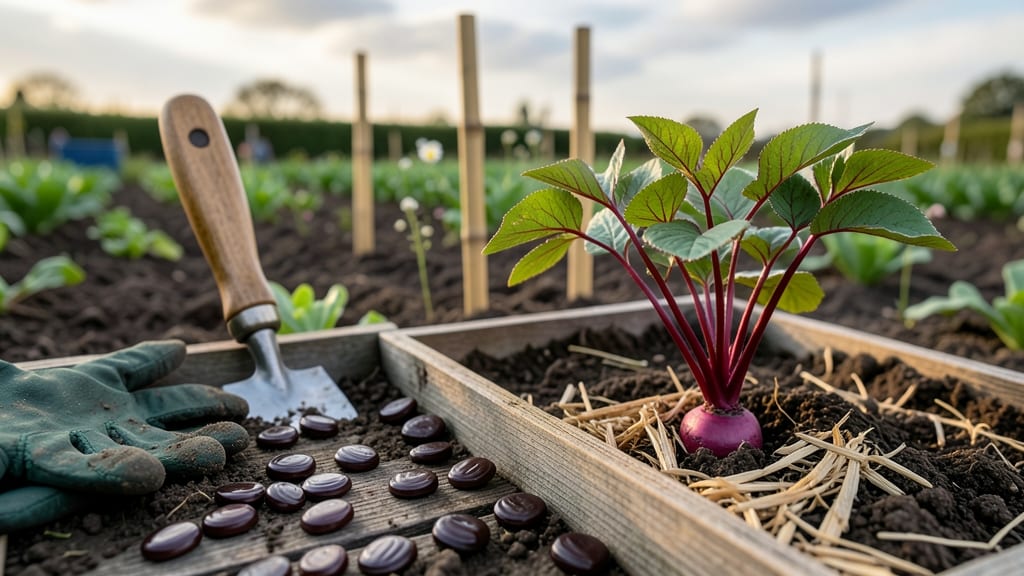
Timing your beet 🍠 planting in Massachusetts isn’t just about the calendar—it’s about beating frost, avoiding summer bolting, and unlocking the sweetest harvests.
Plant too early, and a late frost will turn your seedlings into sad, wilted memories; wait too long, and the heat sends your beets shooting up flowers instead of plump roots.
I’ve grown beets in Zone 6a for years, and the secret lies in two precise windows: early spring (March–April) and late summer (August–early September). These aren’t just random months—they’re calculated to give your 🍠 roots the perfect 60–70 days of warm soil before frost or heat stress kicks in.
What you’ll discover here is how to sync your planting with Massachusetts’ microclimates, from coastal warmth to inland chill. We’ll cover soil prep, frost dates, and even how to stretch your harvest into fall—because nothing beats pulling a homegrown beet straight from the garden when the weather turns crisp.
Ready to grow sweet, tender beets that outperform store-bought? Let’s dive into the exact steps to turn your garden into a beet bonanza, no matter when you start.
Massachusetts beet planting calendar: best months by variety type
Massachusetts’ USDA zones 5-7 give you two prime windows to grow beets: early spring and late summer. Spring planting starts as soon as soil warms to 50°F, typically mid-March to April, while fall planting happens in August to early September for a late harvest.
Each variety has its own ideal timing to avoid bolting or frost damage.
For Detroit Dark Red—the classic heirloom—aim for March 20 to April 15 in spring or August 1 to August 20 for fall.
This variety thrives in cooler weather and handles light frosts better than others. Chioggia beets, with their stunning rings, prefer slightly later spring plantings (April 1 to May 1) to avoid early bolting, while baby beet varieties like 'Baby Keeper' can handle succession planting every 2 weeks from March through July.
Here’s how to align your planting with Massachusetts’ frost dates:
| Variety | Spring Planting Window | Fall Planting Window | Key Notes |
|---|---|---|---|
| Detroit Dark Red | March 20–April 15 | August 1–August 20 | Cold-hardy; harvest before July 4 to avoid woodiness. |
| Chioggia | April 1–May 1 | August 15–September 1 | Needs consistent moisture; thin seedlings to 3 inches apart. |
| Baby Beets (e.g., 'Baby Keeper') | March–July (every 2 weeks) | August–September | Fast-growing; ideal for succession planting. |
If you’re in western MA (zone 6a), push spring plantings to April 1 to avoid late frosts, while coastal areas (zone 7a) can start as early as March 1. Succession planting every 3 weeks from March through July ensures a steady harvest.
For fall, plant 6-8 weeks before first frost (typically mid-September) to mature before winter sets in.
Pro tip: Use row covers for early spring plantings to protect seedlings from 28°F temperatures. In northern MA (zone 5), wait until April 15 to plant, as soil warms slower. Soil temperature is your best guide—use a soil thermometer to confirm 50°F before sowing.
For fall harvests, aim to plant by September 1 in most of MA. Varieties like 'Golden Beet' tolerate cooler temps better, making them ideal for late-season planting. Always harvest before ground freezes—even cold-hardy beets won’t survive prolonged frost.
Bolting is your biggest enemy in MA’s hot summers. If temperatures hit 80°F+, use shade cloth (30-50%) to keep beets cool. Chioggia and 'Lutz Winterkeeper' are the most heat-tolerant varieties for late summer plantings.
Remember: Beets store well in the ground if covered with straw mulch. In zone 5, you can even leave them in soil until November for a fresh harvest when other crops fail. Just mark their location to avoid disturbing them!
🌱
How to extend your beet harvest in Massachusetts: fall & winter planting hacks
Massachusetts’ short growing season doesn’t mean your beet harvest has to end in October! With the right techniques, you can enjoy fresh beets through December. The key is protecting tender seedlings from early frosts and cold soil while extending the growing season naturally.
Here’s how to beat the cold and keep your beets thriving.
Start by planting your last fall crop between August 15–September 1. This gives beets enough time to mature before hard frosts hit. Choose cold-hardy varieties like Detroit Dark Red or Golden, which tolerate light frosts better than others. These varieties also store well in the ground if protected.
🌱 Pro Tip: Use row covers or low tunnels to create a microclimate that traps heat. These simple tools can raise soil temperatures by 10–15°F, allowing beets to grow even in 30°F nights. Just ensure they’re secured tightly to prevent wind damage.
📋 Step-by-Step Guide to Overwintering Beets
- Prep the Soil: Amend beds with compost and aged manure to improve drainage. Beets hate soggy soil in winter.
- Plant Early: Sow seeds 6–8 weeks before first frost (aim for mid-August in MA). Use successive planting every 2 weeks for a staggered harvest.
- Mulch Heavily: Apply 4–6 inches of straw or leaves after germination. This insulates roots and prevents soil heaving.
- Protect with Row Covers: Install floating row covers when nights dip below 40°F. Secure edges with bricks or soil to trap warmth.
- Harvest Strategically: Pull beets when roots are 1–2 inches wide before hard frosts. Smaller beets taste sweeter and store better.
- Store Overwintered Beets: Dig up mature beets before ground freezes, shake off soil, and store in sandy soil in a cool basement.
For gardeners in cooler microclimates (like the Berkshires or North Shore), consider using cold frames. These unheated boxes with glass or plastic lids can extend the season by 4–6 weeks.
Just ensure ventilation during mild days to prevent overheating. Another trick? Plant near south-facing walls to absorb daytime warmth.
Watch for bolting in winter—long daylight hours can trigger flower stems. If this happens, harvest immediately or thin seedlings to reduce competition. Bolting makes beets woody and bitter, so act fast if you spot flower stalks.
With these hacks, you’ll enjoy homegrown beets well into winter—no greenhouse required! Just remember: protection, timing, and patience are your best tools against MA’s chilly climate. Happy gardening! 🌿