
Companion Plants
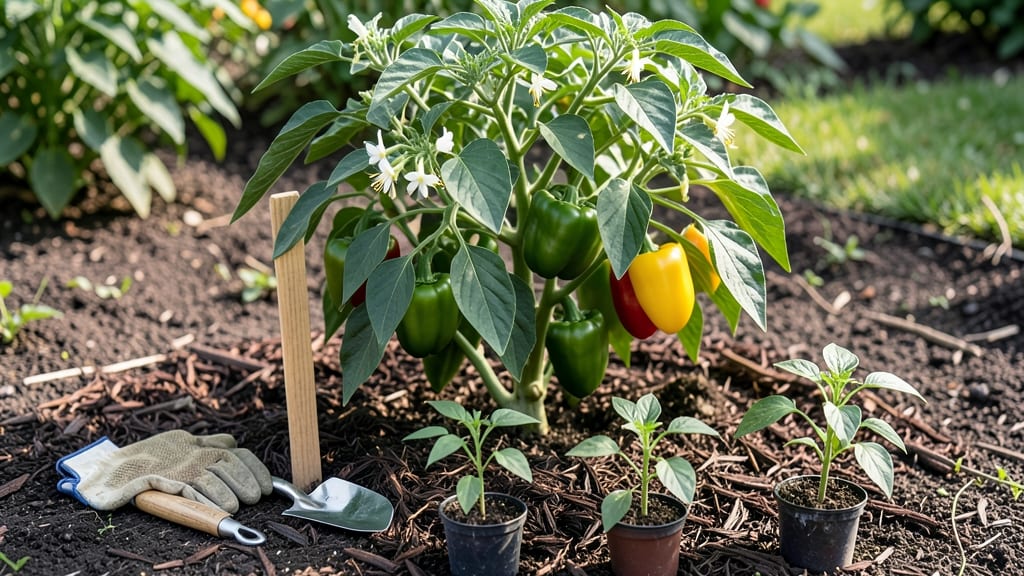
Timing your bell pepper planting in Kentucky isn't just about the calendar—it's about beating the late spring frosts and harnessing the heat before humidity takes over.
With USDA Zone 7b's unpredictable shifts, getting those 🌶️ seeds in the ground too early can mean stunted plants, while waiting too long risks a shorter harvest season.
Most gardeners in Kentucky swear by planting after the April 15 average last frost date, but soil temperature is the real game-changer. Your bell peppers need warm soil—at least 60°F—to thrive, and that often means waiting until late May in cooler microclimates.
The good news? A fall planting window (July-August) gives you a second chance for harvests through October.
Whether you're starting with transplants or direct-seeding, this guide breaks down the exact weeks to plant for maximum yield, plus Kentucky-specific tricks to protect your crop from humidity and pests. No more guessing—just juicy, homegrown peppers from seed to table.
Ready to turn your garden into a pepper powerhouse? Let's dive into the heat-ready calendar that keeps Kentucky's climate quirks from ruining your harvest.
Optimal Kentucky bell pepper planting dates by method (seed vs transplant)
Kentucky’s USDA Zone 7b climate demands precision when planting bell peppers. The average last frost date of April 15 marks your starting point, but soil temperature and humidity add layers of complexity.
For best results, align your planting with 60°F+ soil and consistent warmth—critical for germinating seeds or transplant survival.
Your two main options—direct seeding or transplanting—each have ideal windows. Seeds need 80°F+ soil to germinate, while transplants tolerate slightly cooler conditions. Kentucky’s humidity spikes in July, so timing matters to avoid fungal diseases like phytophthora.
Here’s your heat-ready planting calendar, tailored to Kentucky’s climate quirks:
Missed the spring window? Don’t despair—Kentucky’s fall planting offers a second chance. Transplants set out in early July can produce peppers through October, provided you protect them from late-season humidity. Just avoid planting after August 15, as peppers won’t mature before the first frost (October 15).
For direct seeding, Kentucky gardeners swear by black plastic mulch to raise soil temperatures 10-15°F faster. Lay it down 1-2 weeks before planting to create a microclimate that speeds germination. Pro tip: Water mulch daily until seeds sprout to prevent it from drying out.
If you’re transplanting, hardening off is non-negotiable. Move seedlings outdoors for 2-3 hours/day starting 1 week before planting, gradually increasing exposure. Skip this step, and your delicate transplants will bolt or succumb to Kentucky’s afternoon humidity.
Urban gardeners in Louisville or Lexington face hotter microclimates than rural areas. If your garden hits 90°F+ in summer, opt for shade cloth (30-50%) during peak heat. Pair this with drip irrigation to keep foliage dry—wet leaves = fungal diseases like anthracnose.
Track your local frost dates using the Kentucky Mesonet or Almanac’s Frost Calculator. These tools help adjust your planting timeline if you’re in a warmer microclimate (e.g., near the Ohio River) or a cooler valley.
Remember: Peppers hate cold feet. Even after transplanting, monitor soil temperature with a soil thermometer. If it dips below 55°F, your plants will stop growing—and Kentucky’s spring nights can still surprise you in May.
5 Kentucky-specific tips to extend bell pepper growing season
Kentucky’s humid summers and late spring frosts can derail your bell pepper dreams—but these 5 battle-tested tips will help you push your harvests to their limits.
Whether you’re dealing with 50°F nighttime dips in May or 90°F+ heatwaves in July, these strategies keep your peppers thriving when Mother Nature throws curveballs.
First, time your transplants for late May to early June when soil temps hit 60°F+ consistently. Cold soil slows germination and invites damping-off disease. Use a soil thermometer to confirm—waiting a week for perfect conditions beats struggling with weak starts.
🌱
Don’t overlook companion planting—pair bell peppers with basil or marigolds to repel pests like aphids and spider mites, which thrive in Kentucky’s humidity. The basil also improves flavor, giving you a two-for-one benefit.
Finally, prune suckers regularly to redirect energy to fruit production rather than leaf growth. In high-humidity conditions, this reduces fungal pressure while maximizing your harvest. With these tricks, you’ll turn Kentucky’s climate challenges into longer, more productive growing seasons.
☀️