
Companion Plants
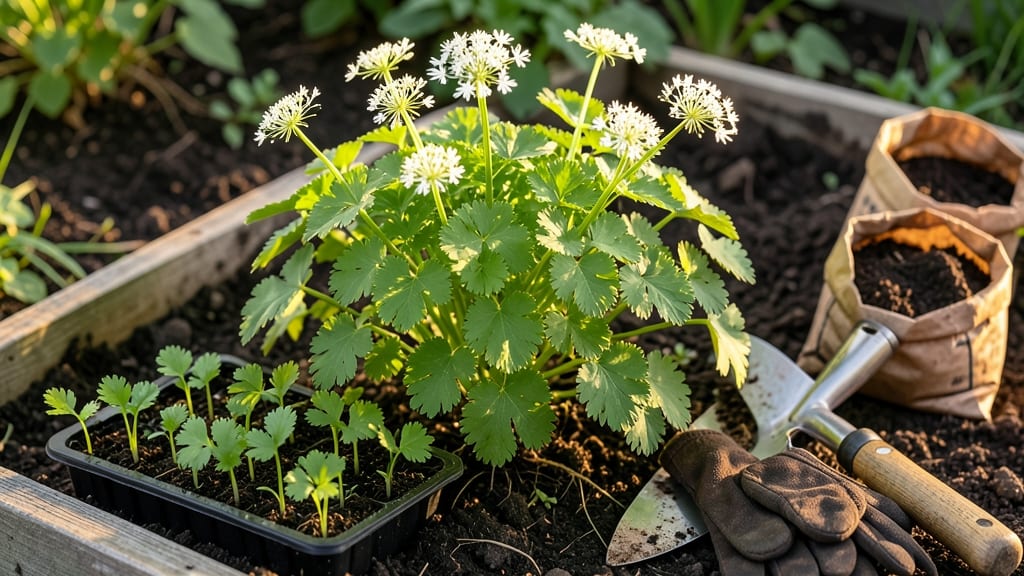
Planting cilantro in Georgia can feel like a gamble—too early and frost zaps your seedlings, too late and the heat sends it bolting before you even taste those fresh leaves. But here’s the secret: timing isn’t just about months—it’s about reading your climate like a pro.
In Georgia’s 7b-8b zones, cilantro thrives in two sweet spots: early spring (February-March) when temperatures hover around 50-70°F, and late summer (August-September) to escape the worst heat. The key? Start seeds indoors 4-6 weeks before your last frost date (usually mid-March) to give them a head start.
Why does this matter? Because bolting—the dreaded flower spike that turns your cilantro bitter—isn’t just about heat. It’s also about stress from inconsistent water or poor soil. I’ll show you how to outsmart Georgia’s quirks with shade tricks, succession planting, and variety picks that actually survive summer.
Ready to turn your garden into a year-round cilantro factory? Let’s dive into the exact schedule, soil prep, and heat-hacking tips that’ll keep your 🌿 fresh from spring to fall—no bitter surprises included.
Best planting times for cilantro in Georgia’s climate zones
Georgia’s USDA zones 7b-8a create unique challenges for growing cilantro (Coriandrum sativum), but timing your plantings right can mean the difference between a thriving herb garden and one that bolts too quickly.
The key is avoiding the intense summer heat, which triggers flowering, and leveraging the cooler months when cilantro truly shines.
In my experience, the two best planting windows for Georgia gardeners are early spring (February-March) and late summer/early fall (August-September). These periods align with cooler temperatures and longer daylight periods that cilantro prefers. Let’s break down each window with specific temperature thresholds and regional considerations.
For spring plantings, aim to sow seeds 4-6 weeks before your last frost date—typically mid-February to early March in most of Georgia. This gives your cilantro enough time to establish roots before the soil warms up.
In northern Georgia (zone 7b), you might start even earlier, around late January, while southern Georgia (zone 8a) gardeners should wait until late February to avoid heat stress.
Fall plantings are equally critical, especially if you love fresh cilantro in your holiday dishes. Start seeds in late August to allow them to mature before the first frost, which usually hits around mid-November.
If you’re in coastal Georgia, where winters are milder, you might extend your fall harvest into December with a little protection.
| Planting Window | Ideal Months | Temperature Range | Key Considerations |
|---|---|---|---|
| Early Spring | February-March | 50-70°F | Plant 4-6 weeks before last frost; avoid direct heat |
| Late Summer/Fall | August-September | 60-80°F | Harvest before first frost (mid-November); use shade cloth if needed |
| Winter (Mild Zones) | October-November | 40-60°F | Direct sow after soil cools; protect from light frosts |
One of the biggest mistakes I see Georgia gardeners make is trying to grow cilantro during the peak summer months (June-August). When temperatures rise above 80°F, cilantro’s growth slows dramatically, and it quickly bolts—turning from lush green leaves to bitter flower stalks.
If you’re determined to grow cilantro in summer, focus on shade-tolerant varieties like ‘Calypso’ or ‘Santo’ and use 30-50% shade cloth to keep soil temperatures down.
Another pro tip: Succession plant every 2-3 weeks during your ideal windows to ensure a continuous supply. For example, if you plant a batch in early March, follow up with another in mid-March and late March.
This staggered approach maximizes your harvest window and minimizes the risk of bolting due to inconsistent growth stages.
Finally, pay attention to microclimates in your area. Urban gardens in Atlanta might experience 5-10°F warmer temperatures than rural areas in north Georgia, so adjust your planting dates accordingly.
If you’re unsure about your local microclimate, observe nearby plants or use a soil thermometer to monitor temperatures at the root level.
With these planting windows and strategies, you’ll be well on your way to growing bold, flavorful cilantro that’s ready for your favorite salsas, soups, and salads—without the frustration of bolting. The key is patience and planning, but the reward is worth it!
Succession planting schedule for nonstop cilantro harvests
Georgia’s extended growing season lets you enjoy cilantro year-round with smart succession planting. By staggering plantings every 6-8 weeks, you’ll always have fresh leaves for tacos, soups, or salads. The key is timing these intervals to match Georgia’s cooler months when cilantro thrives.
Start your first batch in early February—just after the last frost date (typically mid-March). This gives you harvests through April and May before summer heat triggers bolting. Then, plant again in late June for a fall harvest, avoiding the peak summer months (July-August) when cilantro struggles.
For a continuous harvest, add these planting dates to your calendar: February 1, April 15, June 1, and August 1. Each batch will mature in 4-6 weeks, ensuring you’re never without fresh cilantro.
Use shade cloth in summer plantings to delay bolting and extend harvests.
First planting after frost risk passes; harvest by April 15.
Second batch for late spring harvests; ready by June 1.
Summer planting with shade cloth; harvest by July 15.
Fall planting for harvests through October-November.
To maximize success, pair cilantro with companion plants like lettuce or bush beans, which share similar growing conditions. These plants help suppress weeds and deter pests like aphids, which can devastate young cilantro seedlings.
Space seeds ½ inch apart in rows 12 inches apart for optimal airflow and sunlight penetration.
Pro tip: Use container gardening for summer plantings. Pots let you move cilantro to shadier spots or even indoors if heat becomes overwhelming. Just ensure containers have drainage holes to prevent root rot—a common issue in Georgia’s humid summers.
With this succession schedule, you’ll enjoy fresh cilantro every 6-8 weeks, even during Georgia’s hottest months. The secret? Stay ahead of bolting by planting cool-season batches and using shade strategically. Happy harvesting! 🌿