
Companion Plants
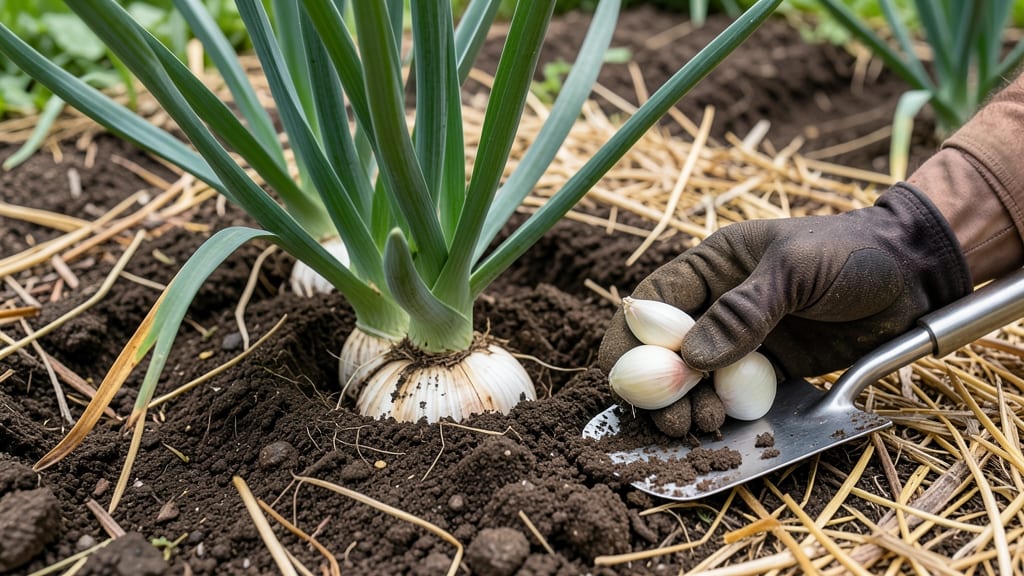
Planting garlic in Tennessee at the wrong time can mean the difference between a bumper crop of 🧄 and a total flop—especially when late frosts or early heat throw off your timing.
The key isn’t just picking a season, but understanding how TN’s 6a-8a zones shape your planting window to avoid weak bulbs or wasted effort.
Most gardeners know fall is the magic window for garlic, but in Tennessee, that means October to November—not too early that cloves rot, and not too late that winter freezes them before roots establish.
I’ve learned the hard way that rushing this process can leave you with stunted plants or, worse, no harvest at all.
What you’ll discover here is how to sync your planting with Tennessee’s climate quirks—like unpredictable spring rains or mountain vs. valley microclimates—that can make or break your garlic.
Whether you’re a first-timer or a seasoned grower, these insights will help you nail the timing for bulbs that rival the grocery store (but taste 10x better).
Ready to turn your garden into a garlic powerhouse? Let’s break down the exact months, soil prep tricks, and frost-smart strategies that’ll have you harvesting plump cloves by late June or July. Your future meals will thank you.
Best months to plant garlic in Tennessee’s climate zones
Tennessee’s USDA hardiness zones 6a-8a create a perfect window for growing garlic, but timing is everything. The key is planting 4-6 weeks before the ground freezes—typically between mid-October and early November—to give your cloves time to establish roots before winter dormancy.
This cold period actually boosts bulb development, so don’t skip it!
For Zone 6a (eastern TN mountains), aim for late September to October 15—earlier than western regions. In Zone 7a (Middle TN), October 1-15 works best, while Zone 8a (West TN) can stretch until mid-November. Remember: garlic needs 60-80 days of cold (below 40°F) to form bulbs properly.
Mountain regions like the Great Smoky Mountains may experience earlier frosts, so plant 2-3 weeks earlier than valley areas. Meanwhile, West Tennessee’s warmer microclimates can handle later plantings—just avoid freezing soil, which stunts root growth.
Hardneck varieties (like 'Music' or 'German White') thrive in TN’s climate, producing scape stalks that you can harvest for extra flavor. Softnecks (like 'Silverskin') are better for storage but need longer growing seasons, making them ideal for Zone 7a and warmer.
Pro tip: Order garlic bulbs in August-September so they arrive fresh and ready for planting. Store them in a cool, dry place (like a mesh bag in your garage) until you’re ready to plant.
| USDA Zone | Best Planting Window | Cold Requirement | Recommended Variety |
|---|---|---|---|
| 6a (Eastern TN) | Late September - October 15 | 60-70 days below 40°F | 'Music' (Hardneck) |
| 7a (Middle TN) | October 1-15 | 70-80 days below 40°F | 'German White' (Hardneck) |
| 8a (West TN) | Mid-October - November 15 | 80+ days below 40°F | 'Silverskin' (Softneck) |
🌱 Note: Adjust for elevation—mountain areas need earlier planting!
If you miss the fall window, you can try spring planting (March-April) for a smaller harvest, but it’s riskier due to TN’s unpredictable spring rains. Spring-planted garlic often produces weaker bulbs and is more prone to disease from wet foliage.
Test your soil’s readiness by checking if it’s below 60°F at 4-inch depth. Use a soil thermometer or the finger test: if the soil feels cool (not cold) to the touch, it’s time to plant. Warm soil speeds up sprouting but weakens root establishment.
For container growing in TN, plant in October-November too, but use larger pots (12"+ diameter) to accommodate bulb growth. Just be sure to move containers to a sheltered spot during winter to protect roots from freezing.
Watch for false springs—those warm spells in winter that trick you into thinking frost is over. TN’s valley regions (like Nashville) can see 32°F temps in March, so always have row covers ready to protect young shoots.
How to adjust planting time for Tennessee’s unpredictable weather patterns
Tennessee’s weather is famously fickle—one week brings an early frost, the next delivers a false spring that tricks you into planting too soon. Garlic thrives when planted 4-6 weeks before the ground freezes, but Tennessee’s microclimates (mountains vs. valleys) can shift that window by weeks.
If you plant too early, your cloves may sprout and get fried by a late frost. Too late, and your garlic won’t have enough time to develop bulbs before summer heat.
Start by checking your USDA hardiness zone. Most of Tennessee falls in Zone 6a-8a, but even within a single county, frost dates can vary by 10-14 days.
For example, Northeast Tennessee (Zone 6a-7a) typically sees its last frost around November 15, while Middle Tennessee (Zone 7a-7b) holds off until December 1. Use your local Cooperative Extension office or a frost date map to pinpoint your exact window.
Here’s the golden rule: Plant garlic when soil temperatures drop below 70°F but haven’t yet dipped below 50°F. Use a soil thermometer to check—this ensures your cloves won’t sprout too soon.
If your soil is still warm in late October, hold off until early November. Conversely, if a hard frost is forecast within two weeks, plant immediately, even if it’s December.
Mulching is your secret weapon against Tennessee’s temperature swings. After planting, apply 4-6 inches of straw or leaves to insulate the soil. This keeps roots from heaving out of the ground during freeze-thaw cycles and adds 2-4°F of extra warmth in winter.
Remove mulch in early spring to prevent rotting as temperatures rise, but leave it on if late frosts are still a threat.
If you miss the fall window—or face an unusually warm winter—you can plant garlic in early spring, but yields will be 30-50% smaller. For a spring planting, aim for February in Zone 6a or March in Zone 7a-8a, using smaller cloves or seed garlic for faster growth.
Just be prepared to harvest earlier, as spring-planted garlic matures 4-6 weeks sooner than fall-planted varieties.
Pro tip: Keep a backup batch of cloves in the fridge until mid-December, just in case your initial planting window closes early. This way, you’re never left scrambling if Tennessee’s weather throws you a curveball.
And always plant extra cloves—even the best-laid plans can go awry in a state where tornadoes, droughts, and ice storms can disrupt your garlic’s growth cycle.