
Companion Plants
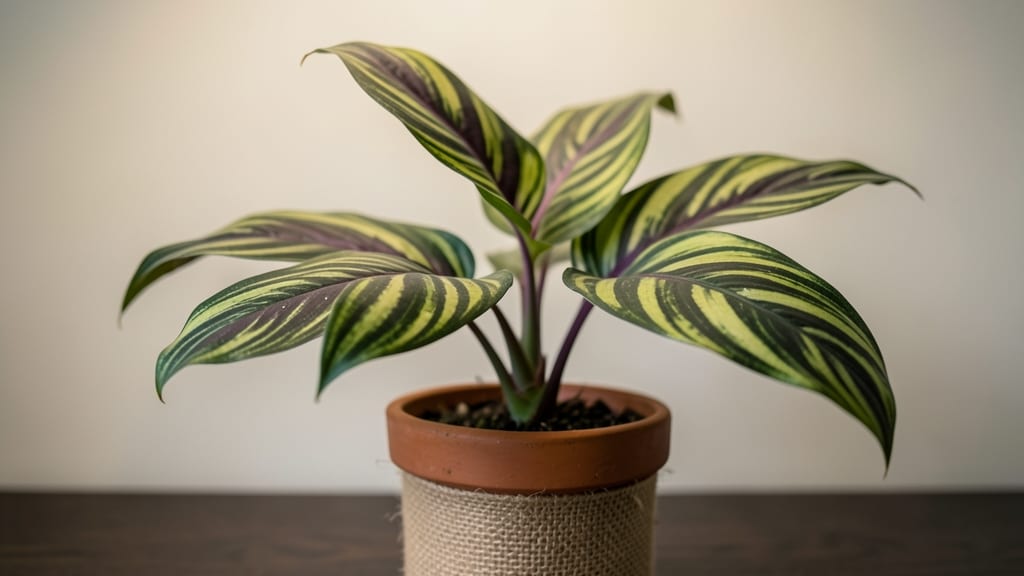
To keep your zebra plant's 🌿 bold stripes popping like they just walked out of a botanical runway show, you’ve got to nail how much light does a zebra plant need—but here’s the catch: too much sun, and those leaves turn into sad, crispy souvenirs.
The sweet spot? Bright, indirect light that mimics its tropical roots without frying them.
Most people assume a sunny windowsill is perfect, but your zebra plant would actually prefer a gentler glow—think east-facing windows where morning sun kisses its leaves before fading away.
This tropical beauty thrives with 4 to 6 hours of filtered light daily, so if your space leans dim, don’t panic: we’ll show you how to hack it with simple adjustments.
Watch for the telltale signs of light stress: leaves stretching toward the window like a sun-worshipper (that’s leggy growth), or bleached patches where the sun got too aggressive. The good news?
Fixing these issues is easier than you think, and once you crack the light code, your zebra plant’s stripes will stay sharper than a new pencil.
Ready to transform your plant from "meh" to "wow"? Let’s dive into the exact light conditions that’ll have your zebra plant looking like it’s basking in its natural habitat—without the risk of a leafy sunburn.

Ideal light requirements for a zebra plant’s stunning stripes
Your zebra plant (Aphelandra squarrosa) thrives in bright indirect light, mimicking its native tropical understory habitat. Without the right light, those iconic zebra stripes lose their vibrancy, and growth slows dramatically.
The key is balancing 4-6 hours of filtered sunlight daily while avoiding harsh midday rays that can bleach leaves or cause crispy edges.
Think of it like a sunbathing rule: morning sun is safe, but afternoon sun is a no-go. This tropical beauty hates direct sunlight, especially from south- or west-facing windows, where UV intensity spikes.
Instead, position your zebra plant near an east-facing window or under sheer curtains to diffuse light naturally.
Here’s the science: Photosynthesis peaks in zebra plants when light intensity stays between 1,000-2,500 foot-candles (measured 12 inches from leaves). Too little light? Chlorophyll production drops, dulling those stripes. Too much? Leaf scorch and sunburn set in, turning edges brown and brittle.
| Light Condition | Ideal Duration | Effects on Zebra Plant | Solution |
|---|---|---|---|
| Bright Indirect Light | 4-6 hours daily | Vibrant stripes, healthy growth, glossy leaves | East/west window with sheer curtain |
| Low Light (<1,000 ft-candles) | <2 hours daily | Leggy growth, pale stripes, slow growth | Move closer to window or use grow light |
| Direct Sunlight (South/West) | >2 hours daily | Brown leaf tips, sunburn, faded stripes | Add sheer curtain or rotate plant |
| Artificial Grow Light | 12-14 hours daily | Consistent growth, even stripes | LED grow bulb 6-12 inches above plant |
Seasonal adjustments are crucial. During spring and summer, when sunlight is strongest, your zebra plant may need afternoon shade—even an east-facing window might require a sheer curtain by midday. In fall and winter, when natural light dims, supplement with a 12-hour grow light to maintain stripe intensity.
Watch for these light stress signs: yellowing leaves, crispy edges, or stripes that lose their contrast. These are clear warnings your plant is either starved for light or over-exposed. A simple fix is rotating your plant quarter-turn weekly to ensure even light distribution and prevent lopsided growth.
Pro tip: If your zebra plant’s stripes start fading, it’s often a sign of insufficient light—not poor care. Move it to a brighter spot immediately, but avoid sudden drastic changes, which can shock the plant. Gradual adjustments over 1-2 weeks help it acclimate without stress.
For indoor gardeners, east-facing windows are ideal year-round, while north-facing windows work well in warmer months. South-facing windows? Only if you’re using double-layered sheer curtains to diffuse the intensity. Outdoor zebra plants? They’ll love dappled shade under trees or a 50% shade cloth during peak sun hours.
Remember, your zebra plant’s stripes are its signature feature, and light is the secret to keeping them bold. With the right balance, you’ll enjoy lush, vibrant foliage for years—no dull, lackluster leaves in sight! 🌿
How to adjust light for different zebra plant growth stages
A zebra plant’s light needs change dramatically from seedling to mature plant. Young plants are delicate and require gentler light conditions to prevent stress, while adults can handle slightly brighter spots. Understanding these shifts helps you avoid common pitfalls like leggy growth or sunburned leaves.
For seedlings, start with low to medium indirect light—think a north-facing window or a spot 3-4 feet from an east-facing one. Too much light at this stage can cause etiolation, where stems stretch painfully thin. Rotate your seedling tray quarter-turns weekly to ensure even growth.
Once your zebra plant reaches 6-12 inches tall, it’s ready for bright indirect light. This is the sweet spot for foliage development and stripe intensity. Place it near an east-facing window where it gets morning sun but avoids the harsh afternoon rays.
If using a south-facing window, add a sheer curtain to diffuse the light.
Mature zebra plants (over 18 inches tall) can tolerate 2-3 hours of morning sun, but their stripes will stay boldest with consistent bright indirect light. If you notice fading stripes, it’s a sign of insufficient light—rotate the pot quarter-turns monthly to expose all sides evenly.
In low-light conditions, supplement with a grow light 12 inches above the plant for 12-14 hours daily.
Seasonal adjustments are key: In winter, when natural light dims, move your zebra plant closer to a window or extend daylight with a full-spectrum LED bulb.
Conversely, in summer, watch for heat stress—if leaves feel warm to the touch, increase airflow with a small fan or move the plant to a cooler spot.
Outdoor zebra plants (in USDA Zone 10+) thrive in partial shade under dappled sunlight, like under a tree canopy. Avoid placing them in full sun, where temperatures exceed 85°F, as this can cause leaf drop.
If you’re transitioning an indoor zebra plant outdoors, acclimate it gradually over 2 weeks to prevent shock.
Pro tip: Use a light meter (or phone app) to monitor light levels—zebra plants thrive at 1,000–3,000 foot-candles. If your space only offers 500 foot-candles or less, prioritize a grow light setup over struggling with insufficient natural light. Your zebra plant’s stripes will thank you! 🌿