
How To
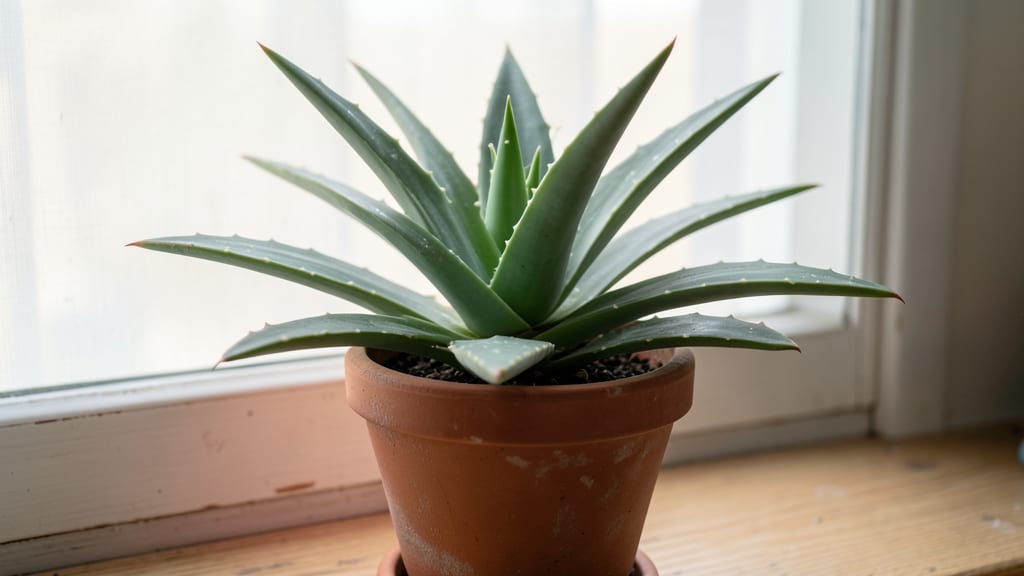
If you’re wondering how much light does an aloe plant need, it’s stretching toward the light like it’s reaching for a high-five—your plant isn’t getting enough brightness. This succulent thrives in bright indirect sunlight, but too little light turns it into a sad, leggy shadow of its potential.
Most aloe plants need 6+ hours of sunlight daily, whether from a south-facing window or outdoor placement in USDA Zone 6a. Without enough light, they’ll grow tall and weak, and their leaves might even turn yellow or red—signs your plant is begging for more rays.
Don’t worry if you can’t give it direct sun all day. A mix of morning sun and afternoon shade works too, especially in hotter months. The key is keeping it in the brightest spot possible, whether indoors or out.
I’ll walk you through how to adjust lighting for healthy growth, whether you’re dealing with a sun-starved windowsill or an overcast climate. Let’s get that aloe looking plump and happy again!

Ideal light requirements for aloe vera growth: sunlight vs artificial light
Aloe plants thrive in bright, indirect sunlight to direct morning sun, making them perfect for sunny windowsills or outdoor gardens. Without enough light, they’ll stretch toward light sources or develop weak, pale leaves. Too much harsh afternoon sun can scorch their delicate foliage, so balance is key.
For optimal growth, aim for 6 to 8 hours of sunlight daily. In hot climates, partial shade during peak afternoon hours (12 PM–4 PM) prevents leaf burn. If you’re growing aloe indoors, a south-facing window is ideal, as it provides the most consistent light exposure.
Aloe plants can also tolerate artificial grow lights if natural light is insufficient. LED grow lights with a 5000–6500K color temperature mimic sunlight perfectly. Place the light 6–12 inches above the plant and provide 12–14 hours of light per day to compensate for indoor conditions.
Here’s how to recognize light-related stress in your aloe:
| Sign | Cause | Solution |
|---|---|---|
| Leaves stretch and turn pale | Too little light | Move to brighter spot or add grow light |
| Brown or crispy leaf tips | Too much direct sun | Provide afternoon shade or filter light |
| Red or purple hues on leaves | Intense sunlight or cold drafts | Adjust light exposure or insulate plant |
| Slow or no growth | Insufficient light | Rotate plant for even light exposure |
Seasonal adjustments are crucial. During winter months, when daylight is shorter, supplement with a grow light or move your aloe closer to a sunny window. In summer, outdoor aloe plants may need afternoon shade, especially in regions with intense sunlight like the Southwest or Mediterranean climates.
If you’re growing aloe in a greenhouse or conservatory, ensure ventilation to prevent heat buildup. Aloe plants prefer temperatures between 55°F and 80°F, so avoid placing them near drafty windows or air conditioning vents during extreme weather.
For indoor growers, rotate your aloe plant every 2–4 weeks to ensure even light exposure on all sides. This prevents lopsided growth and keeps the plant compact. If you notice one side leaning toward the light, it’s time to reposition!
Outdoor aloe plants benefit from morning sun exposure, which is gentler than afternoon rays. If you’re growing aloe in a container on a balcony or patio, choose a spot that gets at least 4–6 hours of morning sun and partial shade in the afternoon.
Remember, aloe plants are drought-tolerant but not heat-tolerant in extreme conditions. If your plant starts wilting despite proper watering, it may be struggling with heat stress. Move it to a cooler, shadier spot until temperatures drop.
How to adjust your aloe plant’s light exposure for maximum health
Aloe plants are famously resilient, but even they need the right light to thrive. If your aloe is stretching toward the window or developing pale leaves, it’s likely craving more light. Conversely, crispy brown edges or sunburned patches mean it’s getting too much direct sunlight.
The key is finding that sweet spot—bright indirect light for most of the day, with protection from harsh afternoon rays.
Start by placing your aloe near a south-facing window, where it can soak up gentle morning sun and filtered afternoon light. If you notice leaves leaning toward the light, it’s time to rotate the pot every few days.
This ensures even growth and prevents your aloe from becoming lopsided. For indoor setups, a spot within 3 feet of the window is ideal—just avoid drafty areas where temperature fluctuations can stress the plant.
- North-facing windows provide too little light, causing leggy growth.
- Direct afternoon sun (1 PM–4 PM) can scorch leaves, especially in summer.
- Fluorescent lights alone won’t cut it—aloe needs bright, full-spectrum light.
If your aloe is indoors and natural light is limited, supplement with a grow light placed 6–12 inches above the plant. Use a full-spectrum LED bulb for 12–14 hours daily, mimicking sunlight.
For outdoor aloes, watch for seasonal changes: in winter, move pots closer to the house or under a cloche to retain warmth and light. In summer, provide light shade during peak hours to prevent sun damage.
Watch for these light-related red flags: yellowing leaves mean too little light, while brown or white patches signal sunburn. If your aloe’s leaves stretch and become thin, it’s reaching for more light.
Adjust its position gradually—aloes hate sudden light changes, which can shock them. A slow transition over a week helps them adapt without stress.
For container-grown aloes, choose a terracotta pot—it breathes better and helps regulate soil temperature. If your aloe is outdoors in summer, water it deeply but less frequently (every 3–4 weeks) to prevent root rot from overwatering.
Pair this with morning watering to let excess moisture evaporate before evening. Consistency in light and water will keep your aloe plump, vibrant, and ready for harvesting.
Pro tip: Use a light meter or observe your aloe’s behavior to fine-tune its spot. A happy aloe will have thick, upright leaves with no signs of stress. With the right light balance, your aloe will reward you with years of low-maintenance beauty and soothing gel for minor burns. 🌿