
Plants
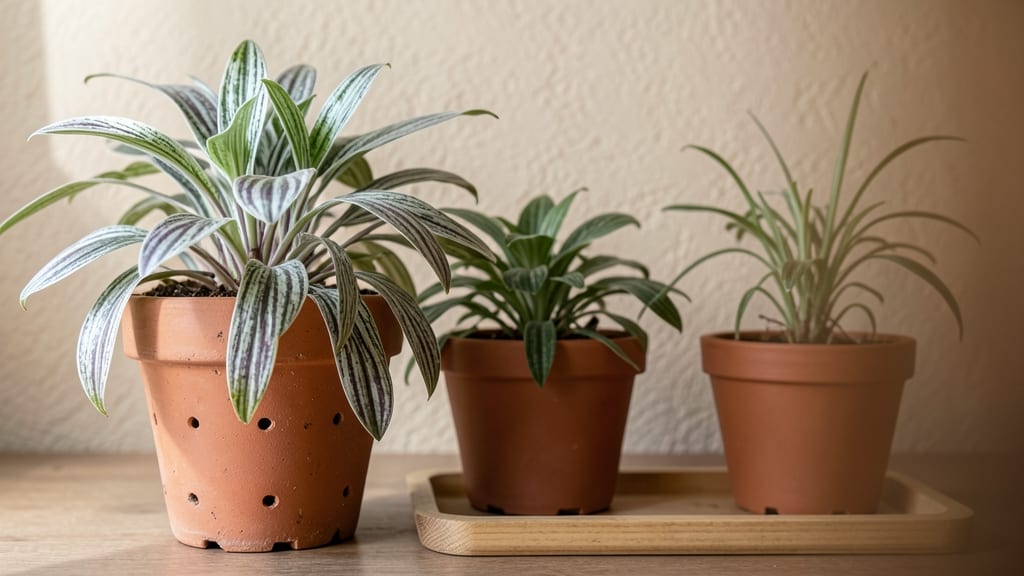
If you’re wondering how much light does an inch plant need to stay vibrant, the answer is simple—but many gardeners still get it wrong. If your inch plant 🌱 looks stretched out or its leaves are losing their vibrancy, you’re probably dealing with light issues—and you’re not alone.
The right amount of light is the game-changer for keeping this plant lush and healthy, but many gardeners get it wrong, leading to weak growth or even damage.
Here’s the truth: inch plants thrive with 4-6 hours of bright indirect sunlight daily, whether indoors or out. Too little light, and they’ll stretch toward any available source, growing leggy and sparse.
Too much direct sun, especially in hotter months, can scorch those delicate leaves. The key is finding that sweet spot where your plant stays compact, vibrant, and full of energy.
Don’t worry if your space doesn’t get natural sunlight—we’ll cover how to adjust for indoor setups and even artificial lighting. You’ll learn to spot the signs of poor lighting, like yellowing leaves or crispy edges, and how to fix them quickly.
Let’s get your inch plant back to its best in no time!
Whether you’re a beginner or a seasoned plant parent, these tips will help you create the perfect light conditions for your inch plant 🌱. With the right approach, you’ll enjoy a thriving, bushy plant that’s the envy of every room.

Optimal light requirements for inch plants: the 4-6 hour rule explained
Your inch plant (Tradescantia sillamontana) thrives on bright indirect sunlight, but finding the perfect balance is key. Too little light causes leggy growth, while too much leads to sunburned leaves.
Aim for 4-6 hours of light daily—this is the sweet spot for vibrant foliage and compact growth.
In nature, inch plants grow under dappled forest light, mimicking the conditions of their native habitat. Recreate this by placing your plant near a window with sheer curtains or within 2-3 feet of an east-facing window. West-facing windows work too, but avoid harsh afternoon sun.
During summer months, inch plants can tolerate 2-3 hours of morning direct sun, especially if your home has cool indoor temperatures. However, watch for white or brown spots on leaves—this is your cue to move it back from the window.
Winter presents a challenge since daylight hours shrink. If your plant starts stretching toward the light, it’s time to supplement with grow lights. A simple 10-watt LED bulb placed 12 inches away for 12-14 hours daily can mimic sunlight effectively.
Outdoor growers can place inch plants in partial shade gardens, where they’ll receive filtered sunlight. Pair them with taller plants like ferns or hostas to create natural shade. In USDA Zone 6a, they thrive outdoors from May to September.
| Light Condition | Daily Hours Needed | Ideal Placement | Seasonal Notes |
|---|---|---|---|
| Bright Indirect | 4-6 hours | East/west window, 2-3 ft away | Year-round ideal |
| Direct Morning Sun | 2-3 hours | South window (short exposure) | Summer only |
| Low Light | 2-3 hours | North window or 6+ ft from window | Supplement with grow lights |
| Outdoor Partial Shade | 6+ hours filtered | Under trees or pergolas | Spring-fall planting |
If you’re unsure whether your space meets the 4-6 hour rule, try this test: Place your hand near the plant. If you can’t read a book comfortably, the light is likely too dim. Conversely, if your skin feels warm after 30 minutes, the light is too intense.
Rotate your inch plant quarter-turn weekly to ensure even light exposure. This prevents one-sided growth and keeps foliage lush. Pair this with pruning leggy stems to encourage bushier growth in low-light conditions.
For indoor growers, avoid placing inch plants in dark corners or basements. Instead, opt for south-facing rooms with reflective surfaces like mirrors or light-colored walls. These bounce extra light onto your plant, boosting its energy.
Remember: Consistency is key. Sudden changes in light—like moving from a sunny patio to a dim office—can shock your inch plant. Transition gradually over 1-2 weeks to help it adjust.
Signs your inch plant isn’t getting enough (or too much) light
Your inch plant (Tradescantia sillamontana) communicates its light needs through subtle but clear visual cues. If the leaves start stretching toward the light source, it’s begging for more bright indirect sunlight.
This leggy growth happens when the plant searches for light, resulting in weak stems and sparse foliage.
On the flip side, crispy brown edges or bleached white patches on leaves signal too much direct sun. These sunburn symptoms appear when intense rays overwhelm the plant’s delicate foliage. The key is finding that sweet spot where your inch plant thrives without stress.
Yellowing leaves can mean either overwatering or light deprivation, but check the stems first. If they’re mushy, it’s water-related. If they’re hard but the leaves are pale, your inch plant needs more bright indirect light to photosynthesize properly.
For indoor growers, window placement makes all the difference. East-facing windows provide gentle morning light, while west-facing ones offer afternoon warmth. South-facing windows can be too intense unless you use a sheer curtain to diffuse the rays during peak hours (10 AM–4 PM).
Seasonal adjustments are crucial too. In winter, when daylight shrinks, supplement with a 12-hour grow light to maintain your inch plant’s light requirements. In summer, watch for afternoon sun that can scorch leaves, especially if your plant is near a glass door or patio.
Pro tip: If your inch plant’s leaves lose their vibrant purple stripes and turn plain green, it’s another sign of light stress. The bold colors fade when the plant can’t maintain its natural pigmentation without adequate light. Rotate your plant weekly to ensure even exposure and prevent lopsided growth.