
Plants
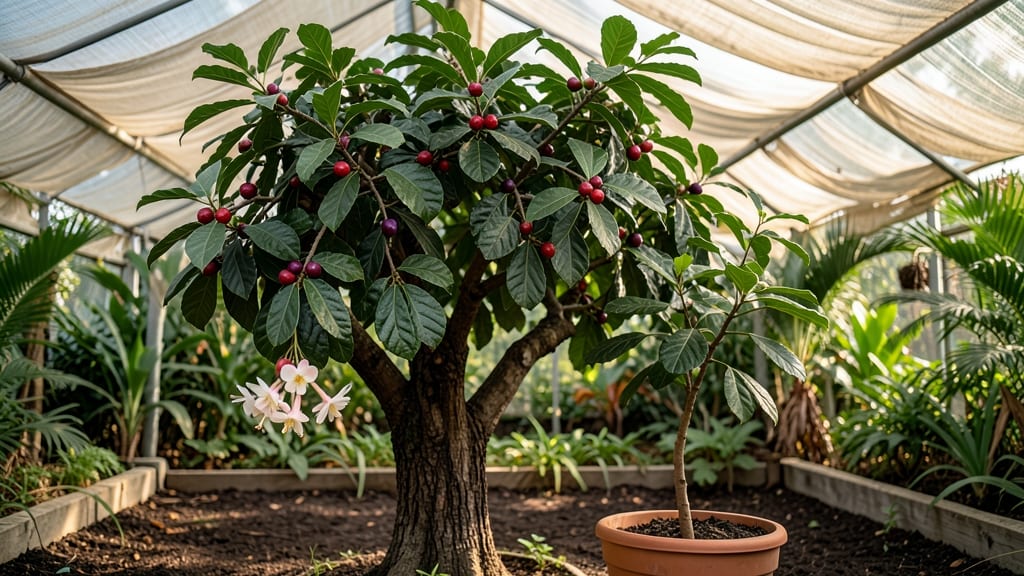
If you're wondering how tall a ☕ coffee plant grows, the answer might surprise you—these tropical beauties can range from compact patio-friendly shrubs to towering trees reaching 30 feet in ideal conditions.
Most coffee plants, like the beloved Coffea arabica, mature between 10 to 20 feet when grown outdoors in zones 10-12. But with the right pruning and container care, you can keep them much smaller—even as low as 6 feet—making them perfect for balconies or greenhouses.
The key to controlling height lies in variety selection and growing conditions. Whether you're dreaming of a backyard coffee grove or just a single potted plant, understanding these factors will help you plan your space wisely.
In this guide, I'll break down the height differences between popular varieties, how climate and pruning affect growth, and practical tips to grow a coffee plant that fits your space—no matter how big (or small) your dream setup is.


Coffee plant height by variety: from dwarf to giant varieties
Coffee plants come in a stunning range of heights, from dwarf varieties perfect for patios to towering shade trees reaching 30 feet. The most common species, Coffea arabica (Arabica) and Coffea canephora (Robusta), exhibit dramatic differences in stature based on their genetic makeup and growing conditions.
Understanding these variations helps you choose the right variety for your space. Whether you're dreaming of a backyard coffee grove or a container-grown plant on your balcony, knowing the height potential of each variety is the first step to successful cultivation.
| Variety | Mature Height | Growth Habit | Best For |
|---|---|---|---|
| Arabica (Caturra) | 6-12 ft | Compact bush | Containers, small gardens |
| Arabica (Bourbon) | 12-18 ft | Medium-height tree | Home gardens, shade trees |
| Arabica (Geisha) | 10-20 ft | Tall, elegant tree | Specialty coffee, large gardens |
| Robusta (Typica) | 20-30 ft | Tall, robust tree | Large estates, commercial farms |
| Robusta (Maragogype) | 25-35 ft | Giant, spreading tree | Tropical landscapes, shade |
| Arabica (Pacamara) | 8-12 ft | Bushy, dense growth | Urban gardens, containers |
If you're growing coffee plants in containers, even the tallest varieties can be managed with regular pruning and training. For example, a Robusta Typica, which naturally reaches 20-30 feet, can be kept under 10 feet with consistent pruning every 6-8 weeks.
The Geisha variety, known for its exceptional flavor profile, often grows taller than other Arabicas, reaching up to 20 feet. However, its slower growth rate makes it more manageable for home gardeners willing to invest time in pruning and support structures.
For those with limited space, Caturra and Pacamara varieties are excellent choices. These dwarf coffee plants typically stay between 6-12 feet tall, making them perfect for patios, balconies, or small gardens.
Their compact size also means they produce cherries earlier, often within 2-3 years instead of the 4-5 years required by taller varieties.
When selecting a variety, consider not just height but also yield potential and climate suitability. For instance, Bourbon varieties thrive in cooler climates and produce a balanced cup, while Robusta varieties grow faster and tolerate heat but have a stronger, more bitter flavor profile.
In tropical climates, coffee plants left unpruned can grow into small trees, with some varieties like Maragogype reaching heights of 35 feet or more. These giants are stunning in large estates but require significant space and maintenance to manage their size and shape.
Remember, the height of your coffee plant isn't just about genetics—growing conditions play a huge role. In the next section, we'll explore how pruning, sunlight, and soil quality can dramatically influence your plant's growth pattern and final height.
How growing conditions affect coffee plant height and structure
Your coffee plant’s height isn’t just about genetics—growing conditions play a massive role in shaping its structure. Sunlight exposure, pruning practices, and soil quality can turn a 20-foot giant into a manageable 6-foot shrub or vice versa.
For example, shade-grown coffee plants in tropical forests often stay shorter (10-15 feet) due to limited sunlight, while sun-exposed plants can reach 20-30 feet if unchecked. Understanding these factors helps you control height whether you’re growing in a container on your balcony or a large tropical garden.
Pruning is your best tool for managing height. Regular pruning—especially heading back (cutting just above a node)—encourages bushier growth and prevents vertical sprawl. I recommend pruning Arabica varieties in early spring to shape them into manageable shrubs, while Robusta plants (hardier and faster-growing) may need more aggressive pruning to keep them under control. Without pruning, even dwarf varieties can outgrow their space in 3-5 years.
Soil quality directly impacts root depth and nutrient uptake, which influences height. Coffee plants thrive in well-draining, slightly acidic soil (pH 6.0-6.5). Poor soil leads to stunted growth or leggy, weak stems chasing sunlight. Amend your soil with compost and organic matter to support strong, compact growth. In containers, use a mix of peat moss, perlite, and coconut coir to mimic their natural forest-floor habitat while preventing root-bound stress.
Light levels dramatically alter growth patterns. Coffee plants need 6+ hours of direct sunlight daily, but too much intense sun can cause sunburn on leaves and rapid, unchecked vertical growth. In hot climates, partial shade (especially in the afternoon) helps maintain a bushier, more manageable structure. If growing indoors, place your plant near a south-facing window or under grow lights for 12-14 hours a day to prevent leggy, weak stems.
Climate and humidity also shape your coffee plant’s height. In high-humidity tropical regions, plants grow taller and faster due to ideal conditions. However, in drier or cooler climates, growth slows, and plants may stay shorter unless you provide consistent moisture and warmth. If you’re in USDA Zones 10-12, your outdoor coffee plants will thrive year-round, but in cooler zones, grow them in containers** you can move indoors during winter.
To encourage bushier, more productive growth, combine these tips:
- Prune 2-3 times a year to shape the plant.
- Use balanced fertilizer (10-10-10) every 4-6 weeks in spring and fall.
- Mulch around the base to retain moisture and regulate soil temperature.
- Rotate potted plants every few months for even sunlight exposure.
Remember, even "dwarf" varieties like Caturra or Pacamara can reach 10-12 feet if neglected. With the right care, you can keep them at a manageable 6-8 feet—perfect for home gardens or patios. The key is consistent pruning and monitoring to match your space and goals.
🌱 Key Takeaways for Controlling Coffee Plant Height
- Prune regularly to encourage bushiness and limit height.
- Provide balanced sunlight—too much sun = tall and leggy; too little = weak growth.
- Use well-draining soil to support strong root development.
- Fertilize in spring/fall to promote healthy, compact growth.
- Monitor humidity—high humidity = faster growth; dry air = slower growth.
"A well-pruned coffee plant in ideal conditions will yield more cherries and stay within your desired height range!"