
Plants
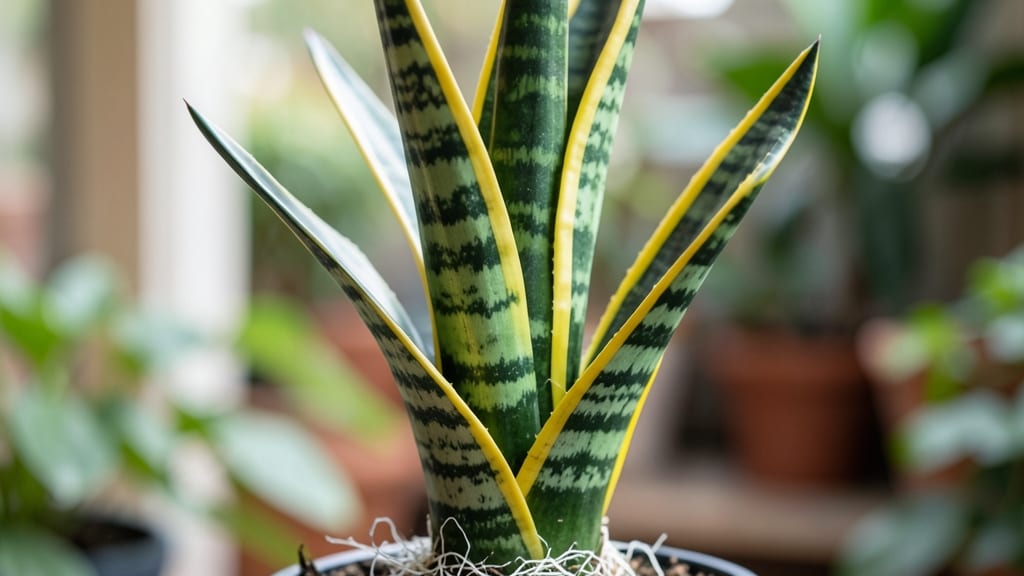
Wondering how tall your snake plant 🌿 will grow and whether it’ll soon become a vertical statement piece? The answer depends on the variety you’ve chosen, as some stay compact while others reach impressive heights—here’s what you need to know to keep it at your perfect size.
Most snake plants, like the classic Sansevieria trifasciata, can grow anywhere from 1 to 4 feet tall indoors, depending on care and pot size.
But compact varieties, such as the popular 'Hahnii' (also called "Bird’s Nest"), rarely exceed 1 to 2 feet, making them ideal for small spaces or shelves. If you’re aiming for a low-profile plant, choosing the right variety is the first step.
Beyond variety, factors like light exposure, watering habits, and repotting frequency play a huge role in controlling height. Too much sunlight or overwatering can encourage rapid growth, while proper care keeps your snake plant at a manageable size.
I’ll break down the best ways to manage its growth so it stays the height you want—without sacrificing its health.
Whether you’re dealing with a towering 4-foot specimen or a petite 1-foot variety, understanding these tips will help you enjoy your snake plant at the perfect height for your space. Let’s dive into how to keep it looking its best!


Snake plant height by variety: indoor growth limits explained
Your snake plant (Sansevieria) height depends entirely on its variety and care. While some varieties stay under 2 feet, others can reach over 4 feet indoors. Understanding these differences helps you choose the right plant for your space and manage its growth effectively.
The most common snake plant variety, Sansevieria trifasciata 'Laurentii', typically grows to 3-4 feet tall with long, upright leaves. However, its growth rate slows significantly after reaching maturity, which can take 2-3 years depending on conditions.
Pot size plays a critical role in height control. A smaller pot restricts root growth, which naturally limits the plant's height. For example, a 6-inch pot will keep a standard variety under 2 feet tall, while a 12-inch pot allows it to reach its full height potential.
Light exposure also affects height. Bright indirect light encourages upright growth, while low light can make leaves grow slower and more horizontal. This is why many snake plants in offices or dimly lit rooms stay shorter than their counterparts in sunrooms.
Here’s a quick comparison of how pot size and light influence height for common varieties:
| Variety | Mature Height | Pot Size for Compact Growth | Light Needs |
|---|---|---|---|
| S. trifasciata 'Laurentii' | 3-4 ft | 6-8 inch pot | Bright indirect |
| S. 'Hahnii' (Bird’s Nest) | 1-2 ft | 4-6 inch pot | Low to bright indirect |
| S. cylindrica | 2-3 ft | 6-10 inch pot | Bright indirect |
| *S. 'Futura Superba' | 1-2 ft | 4-6 inch pot | Low light |
If you’re growing a snake plant outdoors in USDA Zone 9-11, heights can exceed 6 feet, but indoors, most varieties max out at 4 feet. The key to managing height is consistent care, especially during the plant’s first 2 years of growth.
For example, Sansevieria 'Hahnii', also called the Bird’s Nest snake plant, stays naturally compact at 1-2 feet, making it perfect for small spaces. Meanwhile, the standard Laurentii variety can stretch toward ceiling heights if given ample light and space.
One common misconception is that overwatering causes taller growth. In reality, it leads to weak, leggy leaves and can stunt overall health. Always let the soil dry completely between waterings to encourage strong, upright growth.
To keep your snake plant at your desired height, monitor its growth rate and adjust care as needed. For instance, if you notice leaves elongating too quickly, move it to a smaller pot or reduce light exposure slightly.
Understanding these factors ensures your snake plant stays within your ideal height limits while thriving in your home. The right variety and care routine make all the difference!
Snake plant height by variety: indoor growth limits explained
Your snake plant’s eventual height depends entirely on its variety and growing conditions. While some varieties stay compact and perfect for small spaces, others can grow tall enough to reach ceiling heights indoors. Understanding these differences helps you choose the right plant for your home and manage its growth effectively.
The most common snake plant, Sansevieria trifasciata 'Laurentii', typically reaches 2 to 4 feet tall indoors, with some mature plants even exceeding this range. However, its growth rate slows significantly after the first few years, making it easier to control over time.
Other varieties, like S. 'Hahnii', stay much shorter, rarely exceeding 1 to 2 feet in height.
| Variety | Mature Height (Indoors) | Growth Rate | Best For |
|---|---|---|---|
| S. trifasciata 'Laurentii' | 2–4 ft | Moderate | Medium spaces |
| S. 'Hahnii' (Bird's Nest) | 1–2 ft | Slow | Small spaces |
| S. cylindrica | 3–5 ft | Fast | Large rooms |
| S. 'Futura Superba' | 1–2 ft | Slow | Desks, shelves |
| S. 'Black Gold' | 2–3 ft | Moderate | Statement plants |
Pot size plays a critical role in height control. Snake plants grow taller when root-bound, so repotting into a slightly larger container every 2 to 3 years can slow vertical growth.
Use a pot that’s only 1 to 2 inches wider than the root ball to encourage bushier, shorter growth instead of elongated stems.
Light exposure also affects height. While snake plants tolerate low light, they grow taller and leggier when deprived of adequate brightness. Place your plant near an east-facing window for balanced growth, or supplement with a grow light if natural light is limited.
This helps maintain a compact, full shape rather than a stretched-out appearance.
If you’re concerned about your snake plant outgrowing its space, focus on regular pruning and choosing a compact variety from the start. Varieties like 'Futura Superba' or 'Hahnii' are ideal for small apartments, while taller types like 'Laurentii' can be pruned back to keep them manageable.
Remember, snake plants grow slowly—expect only 6 to 12 inches of growth per year under optimal conditions. With the right care, you can enjoy a lush, healthy plant that fits perfectly in your space without reaching for the ceiling.