
Companion Plants
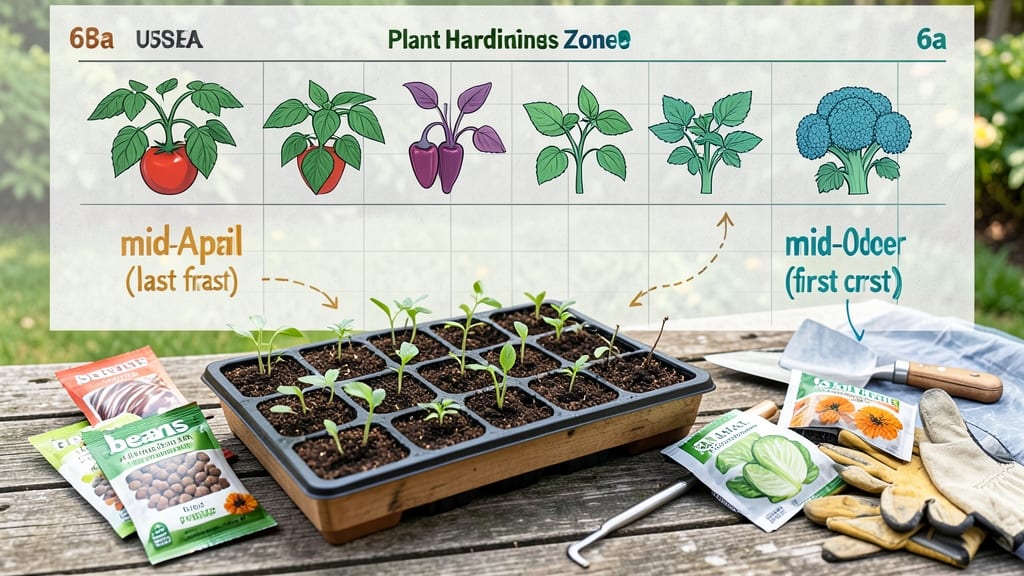
Planting in Zone 6a at the wrong time can turn your garden dreams into a sad pile of wilted seeds—especially when unpredictable frosts sneak in like uninvited guests.
The last frost date around April 15th isn't just a number; it's the dividing line between success and disappointment for your cool-season crops like kale and peas.
But here's the twist: some plants, like tomatoes and basil, hate the cold and need to wait until the soil warms to at least 50°F—usually late May. Meanwhile, fall planting offers a second chance for warm-loving crops if you get them in the ground by early September.
The key is timing it right, and I’ve got the exact months broken down for you.
Whether you're a seasoned gardener or just starting out, knowing these windows means fewer wasted seeds and more homegrown harvests. Let’s dive into the perfect planting schedule for Zone 6a so you can grow like a pro—no guesswork required.
From early spring starts to late-summer succession planting, I’ll walk you through the best times to plant everything from flowers to vegetables, plus how to adjust for your specific microclimate. Ready to turn your garden into a thriving oasis? Let’s get started.
Zone 6a planting calendar: exact months for cool-season vs warm-season crops
Zone 6a gardeners face a 150-day frost-free window, making timing everything. The average last frost date is April 15, but late frosts can push this to May 1—always check your local microclimate.
Warm-season crops like tomatoes and peppers need soil temperatures above 60°F to thrive, while cool-season kale and spinach tolerate 40°F+ soil and even light frosts. Planning ahead ensures you maximize this short window.
For cool-season crops, start seeds indoors 6-8 weeks before last frost (early March) or direct-sow as early as late March under row covers. Warm-season crops should wait until after May 15—planting too early risks stunted growth or death from unexpected frosts.
Fall planting for cool-season crops should begin 6-8 weeks before first frost (early September).
Here’s your Zone 6a planting timeline broken down by crop type, including succession planting opportunities to extend harvests:
| Crop Type | Planting Window | Soil Temp | Notes |
|---|---|---|---|
| Cool-Season Veggies (kale, peas, spinach) | March 15–April 15 (spring) OR Aug 15–Sep 15 (fall) | 40–50°F | Tolerates light frost; succession plant every 2 weeks. |
| Warm-Season Veggies (tomatoes, peppers, basil) | May 15–June 15 (after last frost) | 60°F+ | Use row covers for early starts; transplant seedlings. |
| Perennials (lavender, hostas, daylilies) | April–May OR early fall (Sep) | 50°F+ | Plant after frost; mulch for winter protection. |
| Annual Flowers (marigolds, zinnias, cosmos) | May 1–June 15 (after frost) | 55°F+ | Direct-sow for fastest results; deadhead for continuous blooms. |
| Herbs (basil, cilantro, dill) | May 15–June 1 (warm) OR March 1 (cool: parsley, chives) | 50–60°F | Basil bolts in heat; harvest leaves regularly. |
Pro tip: Use succession planting for crops like lettuce and radishes—sow every 2 weeks from spring to early summer for a continuous harvest. For warm-season crops, stagger plantings every 3 weeks to extend your harvest window into late summer.
Zone 6a’s short growing season demands strategy. For example, broccoli planted in late August can yield fall harvests before frost, while green beans sown in early June mature just in time for late-summer picks. Always monitor soil temperatures with a soil thermometer—cool soils delay germination.
Don’t overlook fall planting! Many cool-season crops thrive when planted in late summer (e.g., spinach in August for October harvests). This is your chance to squeeze in a second crop before winter sets in.
Just ensure you plant 6-8 weeks before first frost (typically October 15 in Zone 6a).
For frost-sensitive plants like tomatoes and peppers, consider starting seeds indoors in March and transplanting after May 15. Use black plastic mulch to warm soil faster and row covers to protect young plants from late frosts.
In Appalachian Zone 6a, expect cooler nights—opt for frost-tolerant varieties like ‘Winterbor’ kale or ‘Early Girl’ tomatoes.
In Midwest Zone 6a, where summers are hotter, focus on shade-tolerant crops like bush beans
How to adjust planting times for Zone 6a’s unpredictable weather patterns
Zone 6a’s unpredictable frost dates and variable heat waves can throw off even the most experienced gardener. I’ve learned the hard way that planting too early risks frost damage, while delaying too long shortens the growing season. The key? Flexibility and smart strategies to extend your planting windows safely.
First, use frost-free date averages as a guideline, not a rule. In Zone 6a, the last spring frost typically lands around April 15, but it can vary by 1-2 weeks depending on your exact location.
I always check local weather forecasts for 3-5 days before my target planting date to confirm frost risk is low.
Here’s my go-to strategy for adjusting planting times: start with hardy cool-season crops like kale, peas, and spinach in early spring (late March), then shift to warm-season plants like tomatoes and basil only after the soil warms to 50°F+.
For late bloomers, I use row covers or cold frames to buy extra time.
Track your local last frost date (not the USDA average) by monitoring neighboring gardens or using weather apps like Old Farmer’s Almanac.
Stagger plantings of lettuce, radishes, or beans every 2 weeks to ensure a continuous harvest, even if early plantings fail.
Opt for ‘Early Girl’ tomatoes or ‘Sugar Anne’ peas, which handle light frosts better than standard varieties.
Use floating row covers to protect cabbage or broccoli from late frosts, or black plastic mulch to warm soil for early plantings.
Warm-season plants need 60°F+ soil. Use a soil thermometer to avoid planting too soon—cool soil stunts root growth.
For fall planting, aim to sow 6-8 weeks before your first frost (typically September 15 in Zone 6a). I’ve had great success with spinach, carrots, and garlic planted in late August—they mature before winter sets in.
Pro tip: Mulch heavily in fall to insulate roots from early cold snaps.
Remember, Zone 6a’s weather is a puzzle, not a rulebook. The more you adapt, the more resilient your garden becomes. Start with these strategies, and soon you’ll be harvesting like a pro—no matter what Mother Nature throws your way. 🌱