
Companion Plants
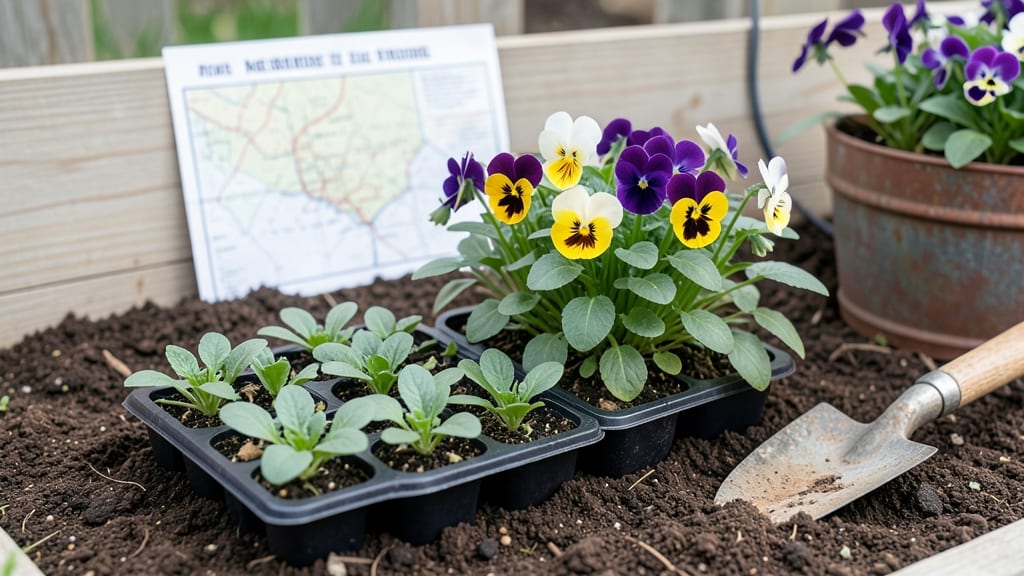
Planting pansies in the Northeast 🌸 can feel like walking a frost-tightrope—get the timing wrong, and your vibrant blooms might never show up.
The key to success lies in knowing exactly when to tuck these cool-weather stars into your garden, whether you're in Zone 5b or Zone 7a, to avoid frost damage while maximizing their cheerful display.
If you've ever wondered why some gardeners get lush pansy patches while others struggle with leggy, sparse plants, the answer starts with the calendar.
These hardy flowers crave that sweet spot between frost and heat, which means early spring (March-April) or early fall (September-October) are your golden windows—but there's more to it than just picking a month.
Let me show you how to read your local frost dates like a pro, adjust for microclimates in your yard, and even extend your pansy season with simple tricks.
Whether you're prepping in-ground beds or container gardens on a city balcony, you'll learn the exact steps to turn your planting into a long-lasting floral show.
From soil temperature checks to mulching strategies, we'll cover everything you need to know to make your pansies thrive—no guesswork required. Ready to transform your garden into a cool-season haven? Let's get started.
Northeast pansy planting calendar by USDA hardiness zones
Planting pansies at the right time in the Northeast means the difference between a vibrant spring display and frost-nipped seedlings. Since the region spans USDA Zones 3 through 8, timing varies dramatically—from late winter in Zone 8 to early summer in Zone 3.
My goal? Help you pinpoint the perfect window for your specific zone while avoiding common pitfalls like late spring heat stress or early fall frost damage.
Pansies are cool-season champions, but they’re not frost-proof. The ideal soil temperature for planting is between 40°F and 60°F. Below 35°F, young roots struggle, and above 75°F, they bolt prematurely.
In the Northeast, this means focusing on early spring (March-April) or early fall (September-October) plantings, with adjustments based on your last/first frost dates.
Here’s the zone-by-zone breakdown you need to plan your pansy schedule. Use your local last frost date (typically April 15 but varies) as your starting point. For fall, aim to plant 6-8 weeks before your first frost—usually by mid-September in most of the Northeast.
Notice how Zone 3-4 gardeners must wait until late spring or early fall, while Zone 7-8 gardeners can start as early as February.
This variation explains why many nurseries don’t offer pansies until after the last frost—because early planting in cold zones risks frost heave (when soil freezes and lifts plants out of the ground).
For urban gardeners with containers, timing shifts slightly. Potted pansies warm up faster, so you can plant 2-3 weeks earlier than in-ground plants. Just ensure your containers have drainage holes and use lightweight potting mix to prevent waterlogging during spring thaws.
Pro tip: Use row covers or cold frames to extend your planting window by 2-3 weeks in early spring. This lets you plant pansies in Zone 5 as early as mid-April without risking frost damage. Just remove covers during the day once temperatures rise above 50°F to prevent overheating.
One common mistake I see? Gardeners in Zone 6-7 planting pansies in late April or May for summer color. While possible, these plants will struggle in summer heat and often produce fewer blooms. For summer-long color, opt for heat-tolerant varieties like 'Matrix' or plant in partial shade.
To check if your timing is right, dig down 6 inches into the soil on your planting day. If it’s above 50°F and crumbly (not muddy), you’re ready. If it’s still cold or waterlogged, wait another week. Patience here ensures your pansies root deeply before facing Northeast winters.
Northeast pansy planting calendar by USDA hardiness zones
Timing your pansy planting by USDA hardiness zone is the secret to avoiding frost damage while maximizing bloom time. In the Northeast, zones 3 through 8 experience wildly different frost patterns—even neighboring towns can have 2-week differences in last-frost dates.
For example, gardeners in Zone 3 (like northern New York) should wait until mid-May for spring planting, while those in Zone 7 (like Virginia) can plant as early as late March.
The same logic applies to fall planting: late August to early September in colder zones vs. October in milder areas.
Soil temperature is just as critical as air temperature. Pansies germinate best when soil reaches 45–55°F. Use a soil thermometer to confirm readiness—planting too early in cold soil can stunt growth or invite rot.
Most Northeast regions hit this window in early April for spring and mid-September for fall.
| Zone | Spring Planting Window | Fall Planting Window | Soil Temp for Germination | Key Tip |
|---|---|---|---|---|
| 3–4 | Mid-May to early June | Late August to early September | 45–50°F | Use cold-hardy varieties like 'Ice King' |
| 5 | Early to mid-April | Early to mid-September | 45–55°F | Mulch heavily after planting |
| 6–7 | Late March to early April | Late September to early October | 50–55°F | Extend season with row covers |
| 8 | February to March | October to November | 50–60°F | Plant near evergreens for windbreak |
Pro tip: Check your local cooperative extension service for precise frost dates—some years can shift by 10 days or more due to climate variability. For example, Boston (Zone 6b) averages last frost on April 20, but 2021 saw it push to May 5.
Microclimates matter too. South-facing slopes warm up faster than shaded spots, so adjust your planting by 1–2 weeks earlier in sunny areas. Container gardeners should plant 2 weeks later than in-ground beds, as pots cool down faster at night.
Remember, pansies planted 4–6 weeks before first frost in fall will give you the longest bloom season. In spring, wait until 2 weeks after last frost to avoid stunted growth from lingering cold snaps.