
Companion Plants
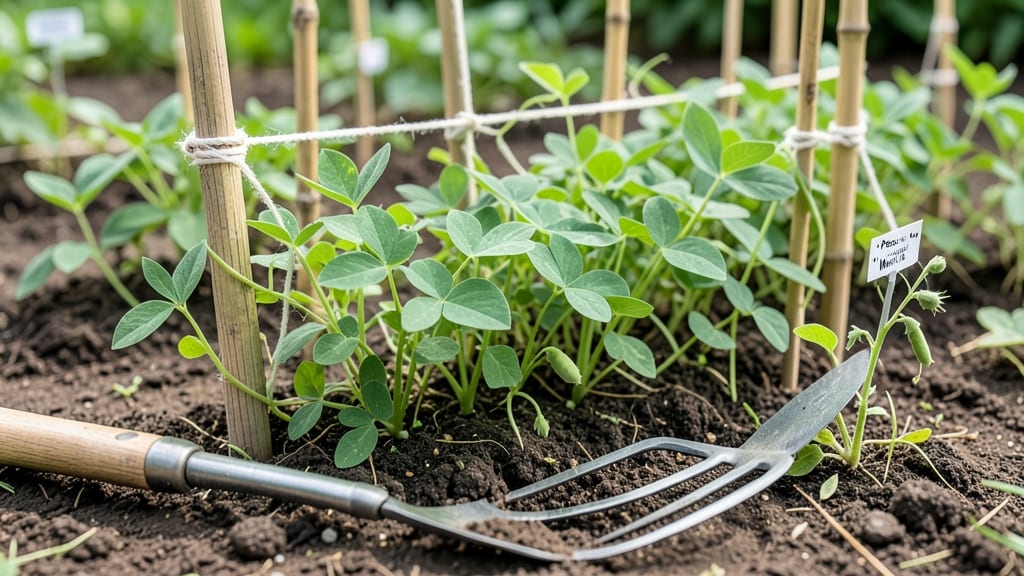
Planting peas at the wrong time in Zone 6 can mean the difference between a bountiful harvest and wasted effort—so timing is everything for these cold-loving 🌱 peas.
Unlike heat-sensitive crops, peas thrive when soil temperatures dip below 70°F, making early spring or late summer the sweet spot for germination and growth.
In Zone 6, where last frosts typically arrive in mid-April, you can start sowing peas as early as March—even before the ground fully thaws. This head start gives them 60-75 days to mature before summer heat sets in, ensuring sweet pods by June.
But don’t stop there: a second planting in August lets you enjoy a fall harvest before the first frost in October.
Why does this matter? Peas are one of the fastest vegetables to grow, but they’re also finicky about temperature. Plant too late in spring, and you’ll miss the window for a spring harvest.
Plant too early, and cold, wet soil can delay germination. The key is balancing frost dates with soil conditions—something I’ll break down step by step so you can avoid common mistakes.
Whether you’re a first-time gardener or a seasoned green thumb, getting the timing right is the game-changer for a successful pea patch. Let’s dive into the exact weeks before last frost that’ll give you the best start—and how to adjust for Zone 6’s unpredictable weather.
Peas planting timeline in Zone 6: weeks before last frost for optimal germination
Peas thrive in Zone 6’s cool climate, but timing is everything. The last frost date in Zone 6 typically falls around mid-April, but this can vary by 5-10 days depending on your exact location.
For best results, aim to plant peas 2-3 weeks before your average last frost date. This gives them enough time to germinate and establish roots before warmer weather arrives.
Cold-hardy varieties like Sugar Snap and Lincoln peas can even tolerate light frosts, making early spring planting ideal. If you miss the spring window, don’t worry—peas also grow well in late summer (August-September) for a fall harvest before the first frost in mid-October.
This two-season approach maximizes your yield in Zone 6’s 165-day frost-free period.
| Planting Window | Weeks Before Last Frost | Soil Temp (°F) | Pea Variety Recommendation |
|---|---|---|---|
| Early Spring | 2-3 weeks | 40-50°F | Lincoln, Sugar Snap, Wando |
| Mid-Spring | 0-2 weeks | 50-60°F | Oregon Sugar Pod, Alderman |
| Late Summer | 8-10 weeks before first frost | 60-70°F | Green Arrow, Tom Thumb |
For spring planting, start seeds indoors 6-8 weeks before your last frost date if you’re eager for an early harvest. Harden off seedlings for 5-7 days before transplanting outdoors.
In Zone 6, this means late February to early March for indoor starts. If you’re direct-sowing, wait until soil temperatures reach at least 40°F—usually late March or early April.
Zone 6 gardeners often face unpredictable late frosts, so use frost cloth or a mini greenhouse for added protection. Place it over seedlings at night until temperatures stabilize.
This extra layer can extend your planting window by 1-2 weeks without risking frost damage. Always remove the cloth during the day to prevent overheating.
If you’re planting for a fall harvest, aim for late August to early September in Zone 6. Choose heat-tolerant varieties like Oregon Sugar Pod, which can handle warmer soil temperatures better than traditional spring peas.
Fall-planted peas benefit from shorter daylight hours, which encourages faster maturation before frost.
Pro tip: Use a planting calendar specific to your Zone 6 region (e.g., St. Louis vs. Chicago) for precise timing. Local agricultural extensions often provide 10-year frost averages—check theirs for the most accurate dates.
For example, Chicago’s last frost averages April 15, while Lexington, KY’s is closer to April 5.
Succession planting works beautifully with peas. Sow a second crop 2 weeks after your first planting to ensure a continuous harvest. In Zone 6, this means March and April for spring and August and September for fall.
Space seeds 1-2 inches apart in rows 18-24 inches apart to allow vines room to climb trellises or stakes.
Remember, peas are fast growers—most varieties mature in 50-75 days. This means you can fit two full harvests into Zone 6’s growing season if you plan carefully. Start early, monitor soil temps, and adjust your schedule based on weather forecasts for the best results.
🌱
Peas planting timeline in Zone 6: weeks before last frost for optimal germination
In Zone 6, peas thrive when planted at the right time—typically 2-3 weeks before your last frost date in early spring or 8-10 weeks before the first fall frost.
For most Zone 6 regions, this means late March to early April for spring plantings and late August to early September for fall harvests. Timing is critical because peas germinate best in 40-85°F soil temperatures, and planting too early can lead to slow growth or rot.
Peas are cold-hardy and can even tolerate light frosts, making them one of the first vegetables you can plant in spring.
However, if you plant too close to the last frost, young seedlings may struggle to establish before warmer weather arrives. Fall plantings are also possible but require careful timing to ensure peas mature before the first hard frost hits in mid-October.
| Planting Window | Weeks Before Frost | Soil Temp | Best Varieties |
|---|---|---|---|
| Early Spring | 2-3 weeks before last frost | 40-50°F | Lincoln, Sugar Snap, Wando |
| Late Summer | 8-10 weeks before first frost | 50-65°F | Oregon Sugar Pod, Green Arrow |
| Fall | 2-3 months before first frost | 50-60°F | Tom Thumb, Little Marvel |
For spring plantings, aim to sow peas when soil temperatures are consistently above 40°F but before the ground warms beyond 75°F. In Zone 6, this usually aligns with late March to early April, depending on your exact location.
If you live in a cooler microclimate, you might even start sowing in February under row covers or cold frames. Fall plantings should begin in August to allow enough time for peas to mature before frost.
One trick I use is to plant a successive crop every 2 weeks in spring to extend the harvest season. This ensures a steady supply of fresh peas from late May to July.
For fall plantings, focus on dwarf varieties like Tom Thumb, which mature faster and are less likely to be affected by early frosts. Always check your local last frost date—it can vary by 1-2 weeks even within the same zone.
If you’re unsure about your exact frost dates, use a planting calendar or local gardening extension service for guidance. In Zone 6, the average last frost date is around April 15, but this can shift earlier or later based on weather patterns.
Planting too early can result in poor germination or seedlings that bolt in the heat, while planting too late may leave you with stunted plants.
For the best results, combine your planting timeline with proper soil prep—peas prefer well-draining, slightly acidic soil (pH 6.0-7.0). Adding compost or aged manure before planting ensures your peas have the nutrients they need to thrive.
Once planted, keep the soil consistently moist but not waterlogged, especially during dry spells in spring or early summer.