
Plants
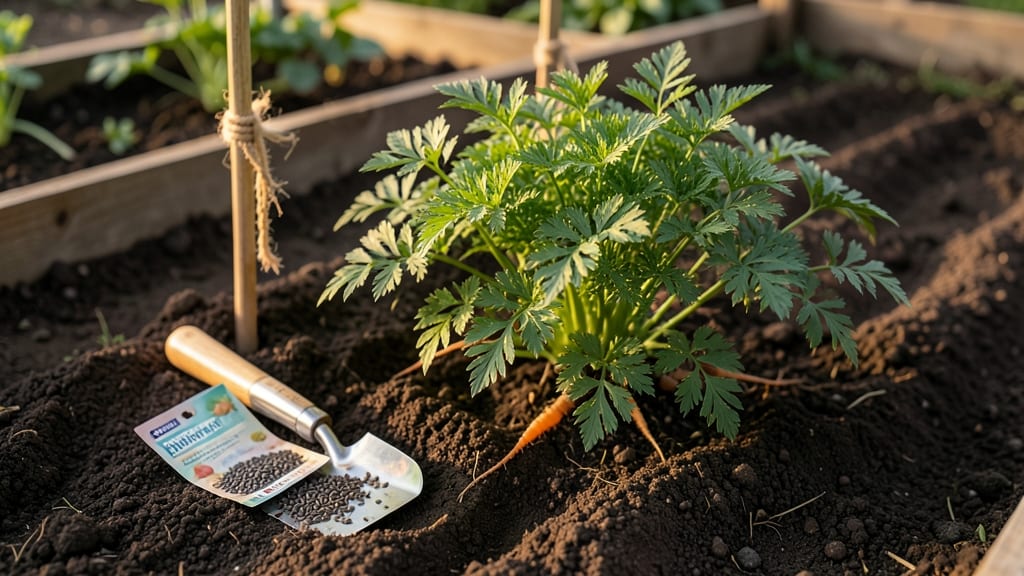
Planting 🥕 carrots in Zone 6 at the wrong time means either waiting too long for harvests or dealing with bitter, woody roots. The key isn't just the calendar date—it's when your soil warms up enough to support those tiny seeds.
Most gardeners in 6a-6b rush to plant as soon as the ground looks dry, but cold soil below 50°F slows germination to a crawl. I've learned the hard way that patience here pays off with sweeter, straighter roots by summer.
You'll want to start seeds as soon as the soil reaches 45°F in early spring, but don't wait past your last frost date (mid-April to early May) or risk missing the ideal 70-80 day growing window.
There's also a second chance in late summer—just 8-10 weeks before your first frost—to squeeze in another harvest. Let me show you exactly how to time it right for your Zone 6 garden.
Zone 6 carrot planting dates: when to start seeds indoors vs. direct sowing
Getting your carrots in the ground at the right time in Zone 6 means the difference between a bountiful harvest and disappointing results. Since carrots prefer cool soil temperatures (45°F-75°F), planting too early risks stunted growth, while waiting too late can lead to bolting or poor germination.
Let’s break down the best planting windows for your Zone 6 garden.
Zone 6 gardeners have two prime opportunities to grow carrots: early spring and late summer. The key is aligning your planting schedule with soil temperatures and frost dates.
In Zone 6, the last frost typically occurs between mid-April and early May, while the first frost arrives around mid-October to early November. These dates frame your planting windows perfectly.
For spring planting, aim to sow seeds as soon as the soil reaches 45°F and is workable—usually 4-6 weeks before your last frost date. This gives your carrots enough time to mature before summer heat sets in.
In Zone 6, that often means late March to early April. If you’re starting seeds indoors, begin them 6-8 weeks before transplanting outdoors.
Don’t overlook the fall planting window, which is just as productive. Sow seeds 8-10 weeks before your first frost, typically late July to early August in Zone 6. This ensures your carrots mature before winter sets in. Fall carrots often taste sweeter because they develop in cooler temperatures.
Here’s a quick comparison to help you plan:
| Planting Window | Soil Temp | Zone 6 Dates | Key Notes |
|---|---|---|---|
| Early Spring | 45°F-60°F | Late March - Early April | Sow directly outdoors; avoid transplanting seedlings. |
| Late Summer | 55°F-70°F | Late July - Early August | Ideal for sweeter fall harvests; succession plant every 2 weeks. |
| Indoor Start | 65°F-75°F | 6-8 weeks before last frost | Transplant seedlings carefully; harden off for 1 week first. |
Pro tip: Use succession planting every 2-3 weeks during both spring and fall to ensure a continuous harvest. This works especially well in Zone 6, where the growing season is shorter.
For example, if you plant your first batch in early April, follow up with another in mid-April and early May. Repeat this strategy in late July and early August for fall.
If you’re unsure about soil temperatures, a soil thermometer is your best friend. Carrots won’t germinate well in soil colder than 45°F, and temperatures above 75°F can cause them to bolt prematurely. Always check the soil temperature a few inches below the surface, where the seeds will be planted.
Another critical factor is light exposure. Carrots need full sun (6+ hours daily), but they also benefit from some afternoon shade during the hottest part of summer. If you’re planting in late summer, choose a spot with partial shade to protect young seedlings from intense heat.
Finally, remember that Zone 6’s shorter growing season means you’ll need to choose fast-maturing varieties for your spring planting. Varieties like ‘Nantes’ or ‘Paris Market’ typically mature in 60-70 days, giving them enough time to reach harvest before summer heat slows them down.
With the right timing and a little preparation, you’ll be pulling crisp, sweet carrots straight from your Zone 6 garden in no time! 🥕
Zone 6 carrot planting dates: when to start seeds indoors vs. direct sowing
In Zone 6, your carrot planting window is short but sweet—just 8-10 weeks before the first frost in mid-October. The key is balancing soil temperature (aim for 45°F-75°F) with your last frost date (typically mid-April to early May).
Planting too early risks cold soil, which causes slow germination, while waiting too late may mean bolting before harvest.
For spring planting, start seeds indoors 4-6 weeks before your last frost date if you're using transplants, but most gardeners prefer direct sowing as soon as the soil warms to 50°F—usually late March to early April.
This gives you a 70-80 day harvest window before summer heat sets in.
Don’t overlook fall planting! Zone 6 gardeners can sow carrots again in late July to early August for a second harvest before winter. Choose fast-maturing varieties (like ‘Early Nantes’) to ensure they reach maturity before the first frost.
🥕 Zone 6 Carrot Planting Timeline
| Planting Window | Soil Temp | Action | Notes |
|---|---|---|---|
| Early Spring | 45°F-55°F | Direct sow 4-6 weeks before last frost | Use row covers if frost threatens |
| Late Spring | 55°F-75°F | Direct sow after last frost | Thin seedlings to 2-3" apart |
| Late Summer | 50°F-65°F | Direct sow 8-10 weeks before first frost | Choose short-day varieties |
Pro tip: Use succession planting every 2 weeks in spring and summer to extend your harvest. Sow a small batch every few weeks, and you’ll enjoy fresh carrots from late June through October. Just remember—carrots hate heat, so avoid planting when daytime temps exceed 80°F.
If you’re in Zone 6a (colder end of the spectrum), err on the side of later planting to avoid early frost damage. For Zone 6b, you’ve got a bit more flexibility to start earlier. Always check your local frost dates and adjust accordingly—your carrot seeds will thank you!
For extra insurance, keep a soil thermometer handy. Carrot seeds need consistent moisture and warm soil (at least 50°F) to germinate properly. If your soil is too cold, wait a few days or use a black plastic mulch to warm it up faster.