
Companion Plants
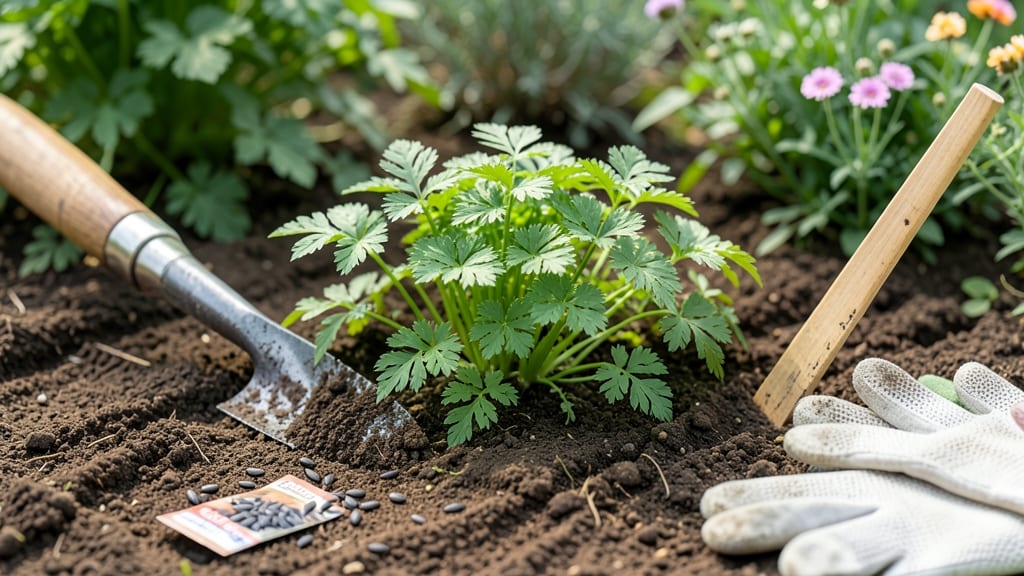
Planting carrots in Georgia might seem tricky with its warm winters and scorching summers, but getting the timing right can transform your garden from a frustrating mess of forked roots to a bounty of crisp, straight 🥕 perfection.
Most gardeners in USDA zones 7b-8b know the classic advice—spring and fall—but Georgia’s microclimates demand a more precise approach. Whether you're in the cooler Piedmont or the humid Coastal Plain, the difference between February-March and August-September planting can mean the difference between success and bolting.
I’ve spent years testing what works in this region, and the key isn’t just about the calendar—it’s about soil temperature, shade strategies, and even companion plants that keep pests at bay. Let me show you exactly how to time your plantings for smooth, straight roots every season.
From avoiding the dreaded "carrot hair" to extending your harvest window, these Georgia-specific hacks will give you the confidence to grow perfect carrots no matter where you live in the state. Ready to dig in?
Optimal carrot planting times in Georgia’s microclimates
Georgia’s diverse climate—from the humid coastal plains to the cooler mountain regions—means carrot planting times vary dramatically across the state. In USDA Zones 7b-8b, timing your seeds correctly ensures straight, sweet roots instead of gnarled failures.
The key? Soil temperatures and microclimate adjustments based on whether you're in North Georgia, Piedmont, or Coastal Georgia.
Most gardeners in Georgia plant carrots twice a year: early spring (February-March) and late summer (August-September). Spring plantings avoid bolting from heat stress, while fall crops mature before first frost (typically November 15). But these windows shift slightly depending on your elevation and local frost dates.
For example, North Georgia (Zone 7b) can experience late frosts into April, so gardeners there often wait until late March or early April for spring plantings.
Meanwhile, Coastal Georgia (Zone 8b) may start as early as January thanks to milder winters. Piedmont regions fall somewhere in between, with February-March as the safest bet.
Here’s how to align your planting with Georgia’s three key microclimates for maximum success:
🥕 Georgia Carrot Planting Guide by Region
| Region | Spring Planting | Fall Planting | Soil Temp for Germination | Key Consideration |
|---|---|---|---|---|
| North Georgia (Zone 7b) | Late March–Early April | Mid-August–Early September | 50–60°F | Wait for last frost (avg. March 15) |
| Piedmont (Zone 7b-8a) | February–March | Late July–August | 55–65°F | Use shade cloth in summer |
| Coastal Georgia (Zone 8b) | January–February | September–October | 60–70°F | Watch for humidity-related diseases |
🌱 Pro Tip: Test soil temps with a soil thermometer—carrot seeds need consistent warmth to germinate.
Spring plantings in Georgia should happen 4–6 weeks before your last frost date to give seedlings time to establish before hot summer temperatures arrive.
For example, if your last frost is March 15, aim to plant by February 15. Fall plantings should occur 8–10 weeks before your first frost—so if frost hits November 15, plant by September 1.
One common mistake? Planting too early in cold, wet soil, which causes rot or slow germination. Use a seedling heat mat or black plastic mulch to warm soil if needed.
In Coastal Georgia, where winters are milder, you can even try a winter planting in December for early spring harvests.
For year-round harvests, stagger plantings every 2–3 weeks in spring and fall. This ensures a continuous supply of fresh carrots without overwhelming your garden at once. Just remember: carrots hate competition, so thin seedlings to 2–3 inches apart once they’re 2 inches tall.
In North Georgia’s cooler climate, consider cold-hardy varieties like ‘Nantes’ or ‘Danvers’, which tolerate light frosts. Meanwhile, Coastal gardeners should opt for heat-tolerant types like ‘Bolero’ or ‘Touchon’ to avoid bolting in summer’s heat.
Finally, always amend your soil before planting—Georgia’s clay-heavy soils can cause forked roots if not loosened. Mix in compost or sand to improve drainage and prevent root deformities. With the right timing and soil prep, you’ll be pulling perfect, straight carrots all season long!
How to adjust planting dates for Georgia’s unpredictable weather
Georgia’s unpredictable weather—from late frosts to sudden heatwaves—can derail even the most well-planned carrot crop. The key to success lies in flexible planting strategies that account for these fluctuations.
For example, a coastal Georgia gardener might face soil warming delays in March, while North Georgia growers could encounter late frost risks well into April. Adjusting your timeline isn’t just about dates; it’s about reading your microclimate and preparing your soil and plants accordingly.
One of the most effective weather-adjustment tactics is using black plastic mulch or row covers to warm the soil faster in spring. This can shave 2-3 weeks off your planting window, turning a March 15 target into a March 1 reality.
Similarly, shade cloth during late summer can protect young seedlings from bolting when temperatures soar above 85°F. These simple tools act as insurance policies against Georgia’s whims.
Here’s how to time your adjustments like a pro:
Don’t overlook the power of companion planting to extend your season. For instance, basil planted near carrots can repel pests like carrot rust flies, while marigolds deter nematodes. These natural allies let you push your planting windows 1-2 weeks earlier or later without risking crop failure.
Pair this with drip irrigation to maintain consistent moisture, and you’ll create an optimal microclimate for your carrots.
Finally, keep a gardening journal to track your adjustments. Note which dates worked best in your specific yard, how soil temps varied from year to year, and which varieties thrived. Over time, you’ll develop a personalized planting calendar that beats Georgia’s weather every time.
The goal isn’t perfection—it’s adaptability, and that’s what separates a good gardener from a great one.
With these tactics, you’ll turn Georgia’s unpredictable weather into your biggest advantage—harvesting straight, sweet carrots even when Mother Nature throws curveballs. 🌱