
Plants
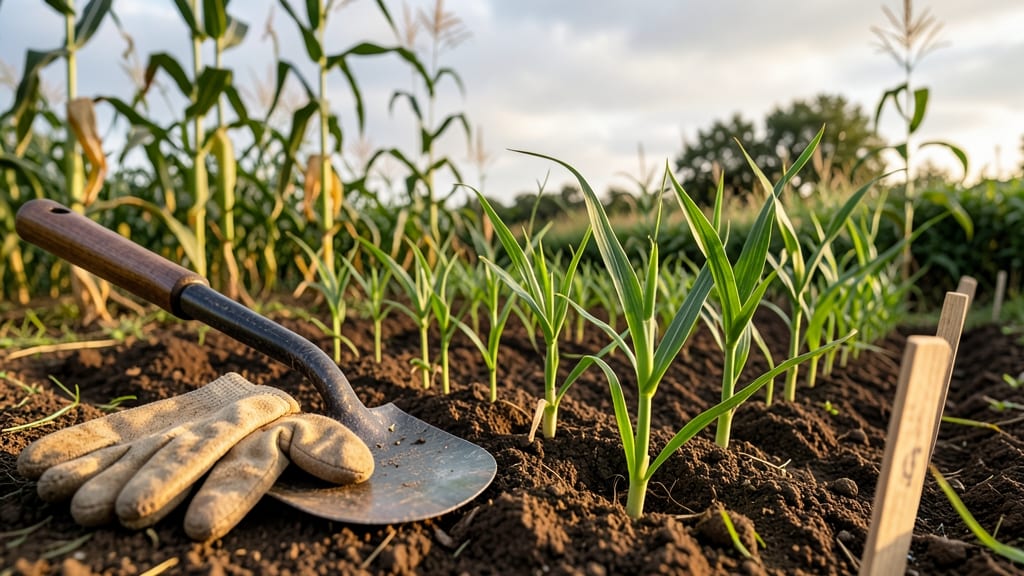
Planting corn in Ohio at the right time means the difference between a bountiful harvest of sweet 🌽 ears and a sad, frost-nipped disappointment. The key window—mid-April to early June—aligns with soil warming to 60°F and the last frost typically passing by April 15.
But here's the catch: Ohio's 6a-6b climate can throw curveballs, like sudden chilly snaps or dry spells that stall germination. That's why I'm breaking down the exact cues to watch for—so you don't rush seeds into cold soil or wait too long and miss peak growing conditions.
You'll learn how to time your planting for maximum yield, including which corn varieties thrive in Ohio's 165-day frost-free window. Whether you're a first-time gardener or a seasoned pro, these insights will help you plant with confidence.
Let's dive into the critical factors that determine the perfect moment to drop those seeds—because in Ohio, timing really is everything for your corn crop.
Ohio corn planting dates by frost-free zone & soil temperature
Ohio's frost-free window and soil temperature are the two most critical factors for planting corn successfully. Unlike many crops, corn is sensitive to cold soil, which can stunt growth or even kill seedlings.
In Ohio's USDA Zones 5-8, the average last frost date ranges from mid-April in southern Ohio to early May in northern regions. However, don't rush to plant just because the air is warm—soil temperature is what truly matters.
Corn seeds need soil that's at least 50°F (10°C) to germinate, but for optimal growth, aim for 60°F (15°C) or warmer. Southern Ohio often hits this mark by mid-April, while northern areas may need to wait until late April or early May.
Using a soil thermometer is the best way to confirm readiness—don't guess!
Here’s how to align your planting with Ohio’s frost-free zones and corn maturity ratings to maximize your harvest:
| Zone & Location | Last Frost Date | Ideal Soil Temp | Planting Window | Corn Variety |
|---|---|---|---|---|
| Southern Ohio (Zones 7-8) | Mid-April | 60°F+ | Mid-April to late April | Early-mid season (75-90 days) |
| Central Ohio (Zone 6) | Early May | 60°F+ | Late April to early May | Mid-late season (90-110 days) |
| Northern Ohio (Zone 5) | Early May | 60°F+ | Late April to early May | Short-season (60-80 days) |
| All Ohio Regions | N/A | 50°F+ (min) | Early June (succession planting) | Late-season (100-120 days) |
For succession planting, sow a second batch of seeds 2-3 weeks after your initial planting. This ensures a continuous harvest and reduces the risk of losing your entire crop to pests or weather. In Ohio, this often means a late April or early May follow-up planting for most regions.
If you're growing sweet corn, prioritize early-maturity varieties like 'Silver Queen' or 'Peaches and Cream' for southern Ohio, as they reach harvest in 75-90 days. In northern Ohio, opt for short-season varieties such as 'Early Sunglow' (65 days) to avoid fall frost cutting your harvest short.
Pro tip: Use black plastic mulch to warm the soil faster and extend your planting window by 1-2 weeks. This is especially helpful in northern Ohio where soil warms more slowly. Just lay the mulch down a few weeks before planting to give the ground a head start.
Always check your local Ohio State University Extension office for microclimate adjustments—urban areas like Columbus or Cleveland may have slightly later frost dates than rural zones just 20 miles away. A quick call or online lookup can save your crop!
Remember, corn planted in cold soil (<50°F) will germinate poorly, leading to weak, stunted plants. If your soil thermometer shows temperatures below 50°F, wait it out—your patience will pay off with a stronger, more productive crop.
5 Critical factors that determine your Ohio corn planting schedule
Ohio’s corn planting schedule isn’t just about dates—it’s about matching your variety, soil conditions, and local microclimates to Ohio’s unpredictable spring weather. I’ve planted corn for years in Zone 6a-6b, and these five factors make all the difference between a bumper crop and a bust.
First, last frost dates vary wildly across Ohio. While the average is April 15, northern counties like Cleveland might see frost until May 1, while southern areas like Cincinnati could be frost-free by April 1.
Always check your local frost-free zone—planting too early risks frost damage to tender seedlings.
Next, soil temperature is non-negotiable. Corn seeds need 50°F+ soil to germinate, but roots thrive at 60°F+. Use a soil thermometer—planting when the soil hits 60°F ensures faster germination and stronger stalks. In Ohio, this typically aligns with late April to early May.
- 📅 Last Frost Date: Varies by county (April 1–May 1)
- 🌡️ Soil Temp: Minimum 50°F, ideal 60°F+ for roots
- ⏳ Maturity Rating: Short-season (60-75 days) vs. long-season (90-120 days)
- 🌆 Microclimate: Urban areas warm faster than rural zones
- 💧 Soil Moisture: Well-drained but consistently damp soil
Your corn variety’s maturity rating is another game-changer. Ohio’s 165-day growing season limits long-season varieties (like 100-day+ sweet corn) to southern Ohio. For northern gardens, short-season varieties (60-75 days) like ‘Silver Queen’ or ‘Bodacious’ are safer bets.
Always match your planting date to the variety’s days to maturity—plant too late, and you’ll harvest small, underdeveloped ears.
Microclimates play a sneaky role too. Urban gardens in Columbus or Dayton often warm 1-2 weeks earlier than rural areas due to heat islands. If you’re in a city, you might plant early May successfully, while farmland nearby could still face frost. Observe your garden’s warmth patterns for 2-3 years to refine your schedule.
Finally, soil moisture at planting time can’t be overlooked. Corn seeds need consistent moisture to germinate, but waterlogged soil causes rot. Aim for well-draining loam that’s moist but not soggy. If your soil is dry, water deeply 24 hours before planting to create the perfect seedbed.