
Plants
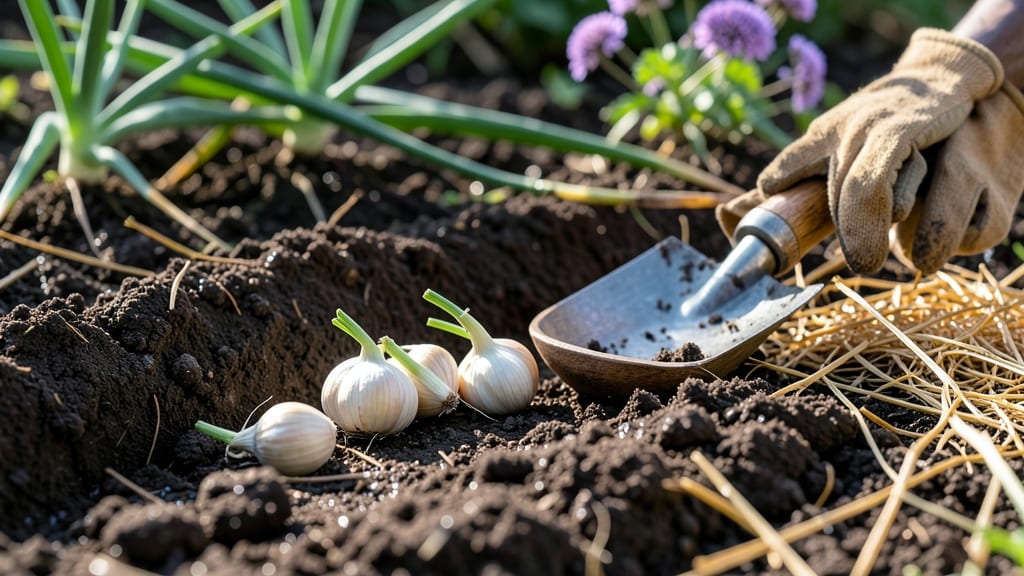
If you’ve ever wondered why your 🧄 garlic plants struggle to thrive in Georgia, the answer likely lies in timing. Planting garlic at the wrong time—whether too early or too late—can mean the difference between a bountiful harvest and a disappointing one.
Georgia’s 7b-8b climate gives you a narrow window to get it right, and missing it could leave your bulbs stunted or vulnerable to frost.
Most gardeners in Georgia plant garlic in October or November, but hardneck and softneck varieties have slightly different needs. Hardneck garlic, known for its robust flavor, prefers cooler fall temperatures, while softneck garlic—often used for braiding—can handle a bit more flexibility.
The key is planting 4-6 weeks before the ground freezes, giving roots time to establish before winter sets in.
Whether you’re in North Georgia’s cooler highlands or South Georgia’s milder lowlands, adjusting for your microclimate makes all the difference. I’ll walk you through the exact steps to time your planting for peak yield, from soil prep to protecting your cloves from unexpected freezes.
Let’s make sure your garlic grows strong and flavorful all season long.
Ready to avoid common mistakes and maximize your harvest? You’ll also discover how to recognize when your garlic is ready to pull—so you don’t miss the perfect moment. Let’s get your garlic off to the best start possible!
Best planting months for hardneck vs softneck garlic in Georgia
Georgia’s USDA zones 7b-8b create ideal conditions for growing garlic, but timing your fall planting is critical for a successful harvest. Most gardeners in Georgia plant garlic between mid-October and November, giving cloves time to establish roots before winter dormancy.
This window ensures bulbs mature fully by the following April or May harvest.
Hardneck garlic, prized for its sturdy stems and flavorful scapes, thrives in Georgia’s climate. Softneck varieties, which store longer but have milder flavor, are also popular.
The key difference? Hardneck garlic needs a cold period to form bulbs, while softneck varieties are more flexible with timing but still benefit from a cool winter.
Regional variations matter in Georgia. Northern areas (like Athens or Dalton) may experience earlier frosts, so plant by late October. Southern regions (like Savannah or Valdosta) can extend planting until early December, thanks to milder winters. Always check your last frost date—aim to plant 4-6 weeks before the ground freezes.
🌱 Garlic Planting Comparison in Georgia
| Variety | Best Planting Months | Harvest Time | Notes |
|---|---|---|---|
| Hardneck Garlic | October 15–November 15 | April–May | Needs cold period; best for flavor |
| Softneck Garlic | September 15–December 1 | May–June | More flexible; stores longer |
| Elephant Garlic | October 1–November 10 | May–June | Milder taste; larger bulbs |
Pro Tip: Use a soil thermometer to confirm soil temps are below 60°F before planting.
For hardneck varieties, prioritize October planting. These need 40-60 days of cold temperatures (below 40°F) to trigger bulb formation. If you plant too late, bulbs may not mature fully. Softneck garlic, however, can handle a shorter cold period and even tolerate milder winters in South Georgia.
Georgia’s humid climate also means you’ll need to mulch heavily after planting to prevent soil heaving during freeze-thaw cycles. Use straw or leaves (avoid grass clippings, which mat down). This protects cloves and encourages root growth before winter.
If you miss the fall window, you can try spring planting (February–March), but yields will be smaller and less flavorful. Spring-planted garlic lacks the cold vernalization needed for full bulb development. For best results, stick to fall planting and plan ahead!
Before planting, break apart garlic bulbs into individual cloves, ensuring each has a small root attached. Plant 2 inches deep, 4-6 inches apart, in well-draining soil with a pH of 6.0-7.0. Amend heavy clay soils with compost or sand to prevent waterlogging.
After planting, water deeply to settle soil around cloves, then reduce watering until spring rains return. Overwatering in winter can drown cloves or cause rot. In North Georgia, expect colder winters—plant earlier and use row covers for extra protection.
In South Georgia, where winters are milder, you can plant later into December. However, avoid planting after January, as bulbs won’t have enough time to mature before the next summer heat. Monitor local weather forecasts for unexpected freezes.
Best planting months for hardneck vs softneck garlic in Georgia
Georgia’s USDA zones 7b-8b offer ideal conditions for growing both hardneck and softneck garlic, but the timing matters more than you might think. While most gardeners focus on fall planting, Georgia’s mild winters and variable frost dates create unique opportunities.
Let’s break down the best months for each variety to maximize your harvest yield and bulb size.
For hardneck garlic, which produces the prized scape and larger cloves, aim to plant between mid-October and early November. This timing ensures roots establish before winter dormancy while avoiding late-season frost damage.
In North Georgia, where winters are slightly cooler, plant closer to late October to give roots extra time to harden off.
Softneck garlic, known for its longer storage life and milder flavor, has a slightly wider window. You can plant from late September through November, but the sweet spot remains October. This variety tolerates warmer soils better, making it a great choice for South Georgia’s longer growing seasons. If you’re in a warmer microclimate, like the Atlanta metro area, you might even push planting to early December.
| Variety | Best Planting Months | Key Notes |
|---|---|---|
| Hardneck Garlic | Mid-October to early November | Best for larger bulbs and scapes. Plant earlier in North Georgia. |
| Softneck Garlic | Late September to November | Tolerates warmer soils; ideal for South Georgia. Stores longer. |
| Both Varieties | Avoid planting after mid-November | Risk of frost damage to young plants. Soil should be 40-50°F. |
One common misconception is that you can plant garlic in spring. While it’s possible, spring-planted garlic in Georgia rarely reaches full maturity before summer heat stress sets in. If you miss the fall window, your bulbs will be smaller and less flavorful.
For best results, stick to fall planting and plan your harvest for late April to May.
Pro tip: Use a soil thermometer to confirm soil temperatures are between 40-50°F before planting. Cooler soils in North Georgia may require planting 2-3 weeks earlier than in warmer South Georgia regions. This small adjustment can make a big difference in your harvest success.
Remember, garlic needs 6-8 months to mature, so timing your fall planting ensures you’re ready to harvest just as Georgia’s weather starts to warm up in spring. With the right timing, you’ll enjoy plump, flavorful bulbs that rival store-bought varieties—and maybe even impress your neighbors! 🧄