
Plants
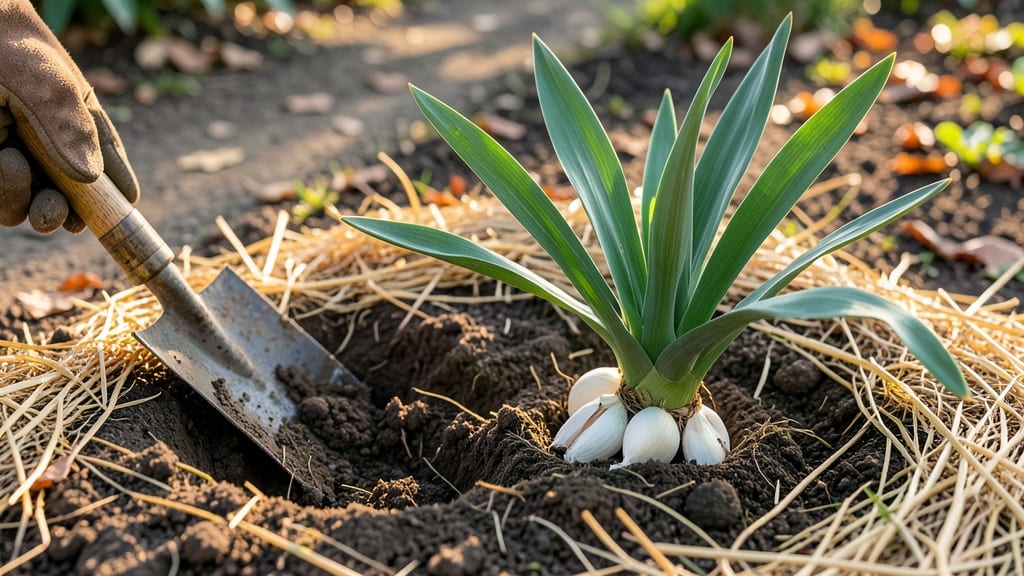
Planting garlic in Pennsylvania at the wrong time can turn your 🧄 harvest dreams into a sad pile of shriveled cloves—because timing matters more than you think. The key to success lies in understanding when the ground cools enough for those hardy bulbs to take root before winter sets in.
In Pennsylvania’s Zone 6a, the sweet spot for planting garlic is between October and November, when soil temperatures dip below 60°F but before the ground freezes solid.
This window gives your garlic time to establish roots while protecting it from extreme cold, setting the stage for next summer’s harvest.
Hardneck varieties, which thrive in colder climates, actually prefer this timing more than softneck types. But here’s the catch: planting too early can trigger premature growth, while waiting too late risks stunted bulbs.
I’ll break down exactly how to nail this window for your specific microclimate—whether you’re in Pittsburgh or rural farmland.
Once you’ve got the timing right, the real work begins with soil prep and winter care. Let’s walk through the steps to ensure your garlic not only survives but thrives, so you’re left with plump, flavorful bulbs ready to harvest by July or August.
Best planting windows for garlic in Pennsylvania’s zone 6B
In Pennsylvania’s Zone 6B, garlic thrives when planted in late fall—typically between mid-October and November. This timing ensures bulbs establish roots before winter dormancy, giving you a head start for next summer’s harvest.
The key is to plant 4-6 weeks before the ground freezes, usually around October 15th in most regions.
Hardneck varieties, like Music or German Red, prefer cooler temperatures and are best planted by November 1st. Softneck varieties, such as Silverskin, can tolerate slightly later planting but still need to root before frost.
If you miss the fall window, spring planting is possible but yields are often smaller.
Soil temperature is critical—aim for 40-50°F at planting time. Use a soil thermometer to check; if temperatures drop below 32°F, cover the bed with straw mulch to protect emerging cloves. This insulation helps roots establish even through winter’s chill.
Garlic planted in September may bolt prematurely due to warm soil, while planting in December risks cloves rotting if the ground stays frozen. Balance is key: late October is ideal for most of Pennsylvania, but rural areas with colder microclimates may shift to early November.
| Planting Window | Soil Temp | Variety Fit | Key Action |
|---|---|---|---|
| Mid-October | 45-50°F | Hardneck & Softneck | Plant cloves 2" deep |
| Late October | 40-45°F | Hardneck preferred | Add straw mulch |
| Early November | 35-40°F | Softneck only | Use row covers |
| Spring (Backup) | 50-55°F | Any variety | Plant shallowly |
For Pittsburgh’s colder microclimate, push planting to early November to avoid early freezes. In Philadelphia’s milder zones, late October works well, but monitor forecasts for unexpected cold snaps. Rural areas like State College may need to plant even earlier due to harsher winters.
Pro tip: Break garlic bulbs into individual cloves (keep the papery skin on) and plant the largest cloves for bigger harvests. Space them 4-6 inches apart in rows 12 inches apart to prevent crowding. Amend soil with compost before planting to improve drainage—garlic hates soggy roots.
After planting, water lightly to settle soil, then mulch with 4-6 inches of straw. This protects cloves from freeze-thaw cycles and suppresses weeds. In Zone 6B, mulch also insulates soil, keeping it 5°F warmer than ambient air—critical for root growth during winter.
Spring care is minimal: remove mulch in March and water when soil dries out. By June, scapes (flower stems) appear on hardneck varieties—harvest these to boost bulb size! The main harvest happens in July-August when lower leaves turn brown.
Timing isn’t just about the calendar—it’s about soil readiness. Test your garden’s drainage first: garlic rots if water pools. If your soil stays wet, plant on mounds or raised beds to ensure success.
Best planting windows for garlic in Pennsylvania’s zone 6B
Pennsylvania’s Zone 6B climate demands precise timing for garlic planting—aim for late fall to ensure bulbs establish roots before winter dormancy. The ideal window is mid-October to early November, when soil temperatures drop below 50°F (10°C) but before hard frost locks the ground.
This timing works best for both hardneck and softneck varieties, though hardnecks thrive with a cold period for scape production.
Soil temperature is your best guide: plant when it consistently hovers between 40°F and 50°F (4°C–10°C). In Pennsylvania, this typically aligns with October’s second half, just as daylight shortens and nights grow chilly.
Rushing too early risks premature sprouting, while waiting too late may leave cloves vulnerable to winter heaving.
Garlic planted in September can still succeed in Pennsylvania’s milder microclimates (like southeastern regions), but the risk of bolting increases if warm spells return. Conversely, December plantings are only viable in protected beds with heavy mulch—never a first choice for beginners.
| Planting Window | Soil Temp | Best For | Risk Level |
|---|---|---|---|
| Mid-October | 40°F–50°F (4°C–10°C) | Hardneck & Softneck | Low |
| Late November | 32°F–40°F (0°C–4°C) | Hardneck (protected beds) | Medium |
| Early September | 60°F–70°F (15°C–21°C) | Softneck (mild zones) | High (bolting risk) |
Hardneck varieties like ‘German White’ or ‘Music’ require 4–6 weeks of cold to form scapes, so prioritize planting by October 15. Softnecks (e.g., ‘Artichoke’) tolerate later dates but still need to root before consistent freezing. Use a soil thermometer to verify conditions—this small investment prevents costly mistakes.
Never plant garlic in spring in Pennsylvania; the bulbs won’t mature before summer’s heat. If you miss fall, your only option is container growing with controlled indoor lighting, but yields will be 50% smaller than fall-planted garlic.
The key is patience—wait for the right window, and your harvest will reward you with plump, flavorful bulbs by mid-July.
Pro tip: Mark your calendar for October 15 as your final deadline. After that, focus on soil prep and mulching to protect cloves through winter. A 4-inch layer of straw can extend your planting window by 2–3 weeks in colder microclimates like Erie or State College.