
Plants
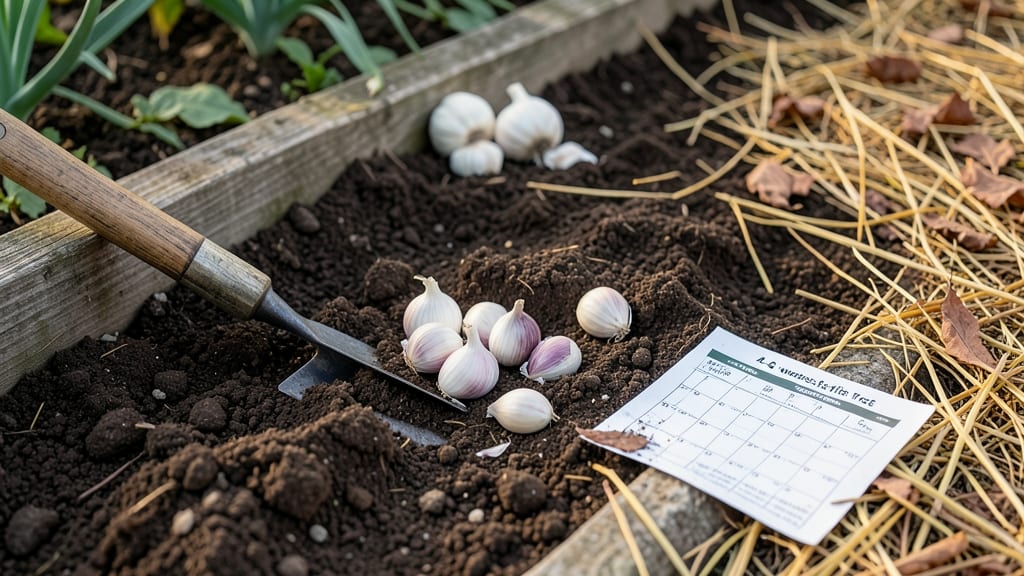
Planting garlic in the fall at the wrong time could mean the difference between a harvest of plump, flavorful bulbs and a disappointing crop that barely survives winter.
The key to success lies in timing—specifically, 6-8 weeks before your first hard frost, when soil temperatures drop but haven’t frozen yet.
For most gardeners in USDA Zone 6a (like me!), this means getting those cloves in the ground between early October and mid-November. But why does this window matter so much?
Garlic needs time to establish roots before winter sets in, and planting too early or too late can lead to rot, weak growth, or even total failure. Let me show you exactly how to nail the timing for your climate.
Beyond just the calendar, soil conditions play a huge role. Well-drained, loose soil with a pH between 6.0 and 7.0 gives garlic the best start. And don’t forget—hardneck varieties (like Rocambole or Silverskin) thrive in colder regions, while softerneck types prefer milder winters.
I’ll walk you through the most important steps to prepare your soil and choose the right garlic for your area.
Once you’ve got the timing and prep down, the real magic happens over winter. With the right care, your garlic will develop strong roots and set the stage for a bountiful harvest the following summer. Ready to grow garlic that rivals store-bought? Let’s dive into the details.
The perfect fall planting window for garlic: 6-8 weeks before first hard frost explained
Timing is everything when planting garlic in the fall. The ideal window is 6-8 weeks before your first hard frost, giving cloves time to establish roots before winter dormancy.
In USDA Zone 6a (like my garden), this typically means planting between mid-October and early November. But don’t guess—check your local frost dates for precision!
Why this window? Garlic needs 4-6 months of cold exposure to form bulbs. Planting too early lets cloves rot in wet soil, while planting too late results in weak, undersized harvests. The 6-8 week rule balances root growth and winter hardening perfectly.
For cooler climates (Zones 3-5), aim for late September to mid-October. In warmer zones (7-10), extend the window to November or even early December—just ensure soil temps stay above 40°F (4°C) for root establishment.
🌱Pro Tip: Use the USDA Plant Hardiness Zone Map to find your zone, then subtract 6-8 weeks from your first frost date. For example, if frost hits November 15, plant by September 25.
High-altitude gardens (like mine in Colorado Springs) need adjustments. At elevations above 5,000 feet, plant 4-6 weeks earlier than your zone’s general guideline. For example, in Zone 5 at 7,000 ft, I plant by September 15 instead of October.
Coastal gardeners should watch for delayed frosts. In Zone 8 California, I’ve planted as late as December 1 with success, but only if soil temps stay above 50°F (10°C). Always monitor soil temperature, not air temperature—use a soil thermometer for accuracy.
🌡️Critical Threshold: Soil should be 40-60°F (4-15°C) at planting. Below 40°F, roots struggle to form; above 60°F, cloves may sprout too soon and rot. Test your soil a week before planting to confirm.
For organic gardeners, amend soil with compost or well-rotted manure 2-3 weeks before planting. Garlic thrives in loamy, well-draining soil with a pH of 6.0-7.0. Avoid fresh manure—it can burn cloves and attract pests like garlic moths.
📅Final Checklist: Before planting, verify:
- Frost date (check Almanac.com).
- Soil temperature (use a thermometer).
- Clove selection (hardneck for cold climates, softneck for mild).
- Sun exposure (minimum 6 hours of sunlight daily).
The perfect fall planting window for garlic: 6-8 weeks before first hard frost explained
Timing your garlic planting to 6-8 weeks before the first hard frost is the golden rule for a successful harvest. This window ensures garlic cloves establish strong roots before winter dormancy. For USDA Zone 6a (like much of the Midwest), that means planting between early October and mid-November.
But if you're in Zone 5 or colder, you might need to plant as early as late September to avoid frost damage.
Why this timing? Garlic needs 40-60 days of cool soil (40-50°F) to root before winter sets in. Planting too early risks rot from excess moisture, while planting too late leaves roots vulnerable to freezing.
The key is balancing soil warmth and frost risk—just warm enough for sprouting, but cool enough to slow aggressive growth until spring.
🌱 Pro Tip: Check your local frost dates using the National Weather Service or Almanac.com. For example, in Zone 8-10, you might plant as late as December, but avoid planting when soil temps drop below 40°F.
| USDA Zone | Ideal Planting Window | Soil Temp Threshold | Notes |
|---|---|---|---|
| 3-5 (Cold Climates) | Late September - Early October | 45-50°F | Hardneck varieties preferred; use thick mulch. |
| 6-7 (Midwest/NE) | Early October - Mid-November | 40-50°F | Classic timing for Rocambole and Silverskin. |
| 8-10 (South/Coastal) | November - Early December | 50-60°F | Softerneck varieties; watch for early rains. |
| High Altitude (5,000+ ft) | August - Early September | 35-45°F | Plant 2-3 weeks earlier than zone suggests. |
Regional adjustments matter! In coastal areas (like Pacific Northwest), milder winters may allow planting into December, but avoid planting when soil stays above 60°F—this triggers early sprouting and weak bulbs. For high-altitude gardens, plant 2-3 weeks earlier than your zone’s average, as frost comes sooner.
Once you’ve nailed the timing, focus on soil prep. Garlic thrives in loose, well-draining soil with a pH of 6.0-7.0. Work in 2-3 inches of compost before planting, and avoid fresh manure—it can burn cloves.
For heavier clay soils, mix in sand or perlite to improve drainage. This step is non-negotiable for preventing rot.
🌿 Remember: The goal is to give garlic roots a head start while keeping tops dormant until spring. With the right timing and soil, your bulbs will explode with flavor next summer—worth the patience!
Next, we’ll cover what happens if you plant too early or late and how to salvage your crop.