
Plants
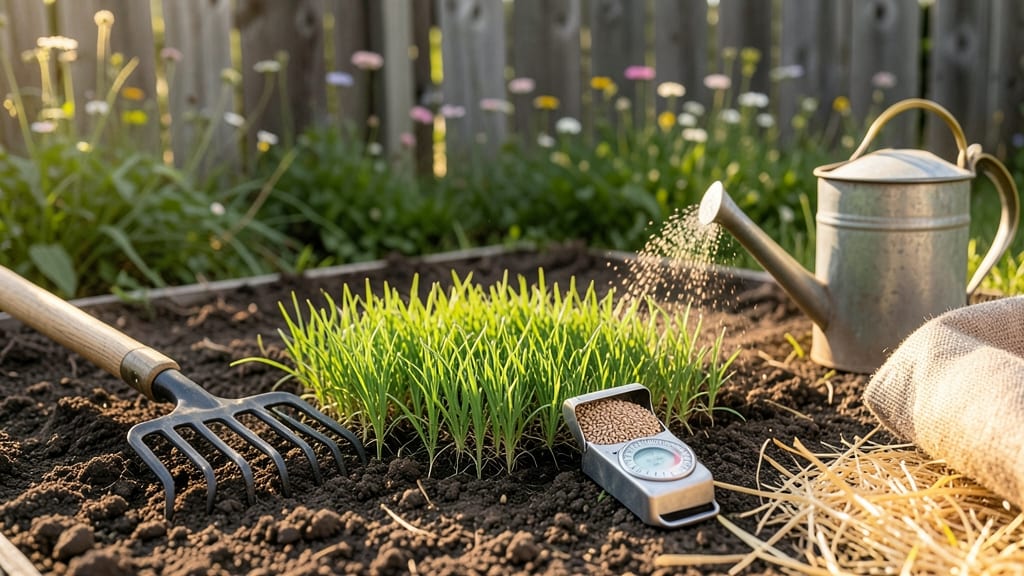
Planting grass seed in Texas at the wrong time can turn your dream of a lush 🌱 lawn into a frustrating, patchy mess—thanks to our brutal heat and unpredictable rain.
The key to success? Timing it right, whether you're in North, Central, or South Texas, where soil temperatures and frost dates create very different windows for germination.
Most Texas gardeners know fall is the prime season, but did you realize spring planting also works—if you act fast? I’ll break down the best months for each region, so you can avoid common mistakes like planting when the soil’s too hot or too dry.
With the right timing, you’ll see strong root growth and a lawn that actually stays green.
What most people miss is how soil temperature (not just calendar months) determines success. We’ll cover the ideal 60°F-75°F range and how to prep your yard for planting, whether you’re seeding in late summer or early spring. Let’s get your Texas lawn off to the right start.
Ready to skip the guesswork? I’ll walk you through the exact steps—from soil prep to watering schedules—that make all the difference between a thriving lawn and one that struggles to take hold. Your perfect green carpet is just a few weeks away.
Best months to plant grass seed in Texas by region (North, Central, South)
Texas’s vast size means three distinct regions with wildly different climates—North, Central, and South. Each has its own ideal planting window to avoid scorching heat, drought stress, or unpredictable rain. Fall planting is the golden standard for most Texans, but timing shifts 1-2 months depending on where you live.
For North Texas (USDA Zones 7b-8a), think of late August through October as your sweet spot. This region experiences hot summers and mild winters, so planting too early risks seed drying out in the heat, while waiting too late can leave young grass vulnerable to early frost.
In Central Texas (Zones 8a-8b), the window stretches from mid-August to November. Here, September and October are peak months because soil stays warm enough for germination but cools slightly to slow weed competition. November plantings are riskier due to increasing drought and hard freezes by December.
Southern Texans (Zones 8b-10a) enjoy the longest growing season, with July through October as their planting window. August and September are ideal because humidity is high and rains are frequent, reducing irrigation needs. However, Bermuda grass lovers can even plant in late spring (April-May) for a summer lawn.
🌱 Texas Grass Seed Planting Calendar by Region
| Region | Best Months | Soil Temp Range (°F) | Key Considerations |
|---|---|---|---|
| North Texas | Late Aug - Oct | 60-75°F | Avoid early heat; watch for November frost |
| Central Texas | Mid-Aug - Nov | 65-78°F | September best for weed control; November risky |
| South Texas | July - Oct | 70-85°F | August-Sept ideal; Bermuda grass can plant April-May |
⚠️ Pro Tip: Use a soil thermometer to confirm temps—60-75°F is perfect for germination.
While fall planting dominates Texas lawn care, spring planting (February-April) works for cool-season grasses like Tall Fescue or Ryegrass in North and Central Texas. However, warm-season grasses (Bermuda, St. Augustine, Zoysia) never thrive from spring seeds—they’ll bolt or die in summer heat.
Timing isn’t just about months—it’s about soil temperature. Grass seeds need consistent moisture and warm-but-not-scorching soil. In North Texas, aim for 60-70°F; in South Texas, push to 70-75°F.
If your soil hits 80°F+, seeds may dry out before sprouting, no matter how much you water.
Rainfall patterns play a huge role. September and October in Central Texas often bring steady rains, reducing your watering workload.
But in North Texas, October showers can turn into November droughts, so have a backup irrigation plan. South Texas’s humidity helps, but hurricane season (June-Nov) can delay planting if storms flood your yard.
Don’t overlook microclimates—your backyard’s shade patterns or wind exposure can shift ideal timing by 2-4 weeks. A north-facing slope stays cooler, while a south-facing patio bakes seeds faster. Test a small patch first to see how your yard reacts.
For Bermuda grass in South Texas, late spring (April-May) is the only viable window—it’s the only warm-season grass that can handle summer planting. But St. Augustine and Zoysia still prefer fall to avoid heat stress.
Remember: Texas summers are brutal for new grass. Planting in June-July guarantees seed death unless you’re dealing with Bermuda grass in the Deep South. Fall is your safest bet—cooler temps, softer rains, and stronger root growth before winter.
Best months to plant grass seed in Texas by region (North, Central, South)
Texas’s diverse climate means planting times vary dramatically from the Panhandle’s cooler north to the humid Gulf Coast. In North Texas (USDA Zones 7b-8a), aim for late August through October—when soil temps drop below 85°F but stay above 60°F.
This window avoids summer’s scorching heat while leveraging fall rains for natural watering.
For Central Texas (Zones 8a-9a), the ideal window stretches from mid-September to November.
Here, St. Augustine grass thrives when nights cool to 55-65°F, while Bermuda grass benefits from September’s residual heat before winter dormancy. South Texas (Zones 9a-10b) gardeners have until early December, thanks to milder winters and year-round growing potential.
Spring planting is riskier but possible in North and Central Texas from mid-February to early April.
Wait until soil temps reach 60°F+—earlier planting risks seed rot from lingering cold snaps. South Texas can plant as late as May for warm-season grasses, but summer heat demands extra shade and water.
| Region | Best Planting Window | Soil Temp Range (°F) | Key Grass Types |
|---|---|---|---|
| North Texas | Late Aug–Oct | 60–75°F | Tall Fescue, Bermuda |
| Central Texas | Mid-Sept–Nov | 65–78°F | St. Augustine, Zoysia |
| South Texas | Sept–Early Dec | 70–85°F | Bermuda, Centipede |
| All Regions (Spring) | Feb–Early Apr | 60°F+ | Cool-season blends |
Timing isn’t just about months—it’s about soil temperature.
Use a soil thermometer to confirm 60–75°F for cool-season grasses or 75–85°F for warm-season varieties. North Texas can plant 2 weeks earlier than Central Texas due to cooler nights, while South Texas may extend planting into December if using winter-hardy Bermuda varieties.
Pro tip: Check your local AgriLife Extension for microclimate adjustments. A shady yard may need earlier planting to avoid summer stress, while full-sun areas can handle late-season starts with drip irrigation support.
Always plant 2–4 weeks before first frost in your zone to ensure 4–6 weeks of growth before winter slows germination.
Remember, fall planting is your best bet for deep root establishment before Texas’s brutal summers. Spring planting works but requires vigilant watering to outpace evaporation. Don’t rush—wait for ideal conditions to avoid patchy, weak grass that struggles to survive the heat. 🌱