
Plants
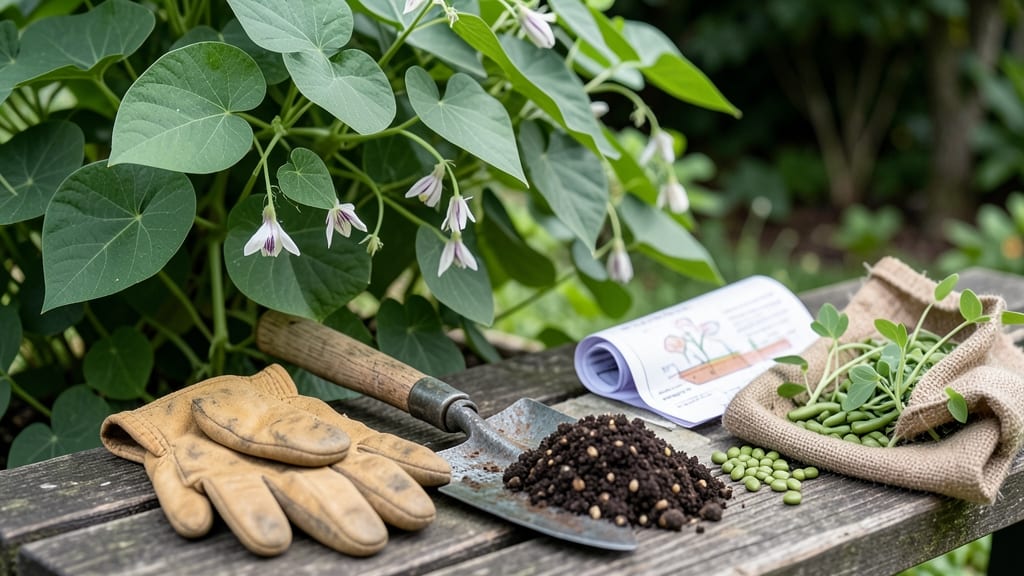
Planting green beans in Missouri at the right time can mean the difference between a bountiful harvest and a sad, frost-killed garden. With USDA zones 5b-6b and unpredictable spring weather, timing is everything—but getting it wrong could leave you with wilted plants instead of fresh pods.
Most gardeners in Missouri wait until after the last frost date, typically between mid-April and mid-May, but the exact window depends on your county.
Whether you're growing bush beans for easy picking or pole beans for continuous harvests, knowing when to plant ensures your 🌱 green beans thrive from seed to table.
In this guide, I’ll break down the optimal planting dates for your specific region, soil prep tips, and how to extend your harvest season. You’ll also discover whether to direct-sow or transplant, plus variety recommendations that perform best in Missouri’s climate.
Ready to grow a garden full of crisp, homegrown beans? Let’s get started with the timing and techniques that work for your corner of the Show-Me State.
Missouri green bean planting dates by county: frost-free Zone guide
Missouri’s 11 climate zones create wildly different planting windows for green beans. In St. Louis (Zone 6a), you can plant as early as April 15, while northern counties like Holt (Zone 5b) should wait until May 1 to avoid frost.
These differences matter—30% of Missouri gardens lose young plants to late frosts each year.
Green beans thrive when soil temperatures hit 60°F+, which typically occurs 2 weeks after last frost. Use your county’s average last frost date (check the table below) as your starting point, then add 14 days for safety.
For example, if your county’s last frost is April 20, aim for May 4 planting.
Missouri’s southern regions (like Cape Girardeau) often enjoy 2-3 weeks earlier planting than northern areas. Meanwhile, urban heat islands in cities like Kansas City can create microclimates where soil warms 3-5 days faster than rural areas. Always test soil temperature with a soil thermometer before planting.
For fall plantings (less common but possible), Missouri’s first frost averages October 15. Plant 80-90 days before frost—so aim for July 15-August 1—using heat-tolerant varieties like 'Blue Lake' or 'Kentucky Wonder'. Fall beans often produce smaller yields but can avoid summer pests.
🌱
| Region | Avg. Last Frost | Ideal Planting Window | Soil Temp Goal | Notes |
|---|---|---|---|---|
| St. Louis (6a) | April 15 | April 29 - May 15 | 60°F+ | Urban areas warm faster |
| Kansas City (6b) | April 20 | May 4 - May 20 | 60°F+ | Dry winds delay warming |
| Southeast (Cape Girardeau, 7a) | March 25 | April 8 - April 25 | 60°F+ | Earliest planting zone |
| Northwest (Holt, 5b) | May 1 | May 15 - May 30 | 60°F+ | Late frosts common |
| Central (Columbia, 6a) | April 10 | April 24 - May 10 | 60°F+ | Moderate climate |
| Fall Planting (All Regions) | October 15 | July 15 - August 1 | 65°F+ | Use heat-tolerant varieties |
Always verify your exact county’s frost dates using the Missouri State Climate Office or local Cooperative Extension Service. These dates shift 3-5 days yearly due to climate variability.
For bush beans (like 'Blue Lake'), plant seeds 1 inch deep in rows 4 inches apart, while pole beans (like 'Kentucky Wonder') need trellises and 6-inch spacing.
Missouri’s soil pH ideal for green beans is 6.0-7.0. Test your soil 4-6 weeks before planting—amend with lime (to raise pH) or sulfur (to lower pH) if needed. Green beans are light feeders, so avoid high-nitrogen fertilizers, which promote leafy growth over pods.
Pro tip: Direct-sow seeds instead of transplanting—green beans hate root disturbance. If you must start indoors, transplant seedlings 3-4 weeks old using a clump of soil to preserve roots. Harden off seedlings for 7-10 days before moving them outdoors.
🌿
How to extend your Missouri green bean season: succession planting & cold protection
Missouri’s short growing season doesn’t mean you’re limited to one green bean harvest. With succession planting and smart cold protection, you can stretch your harvest from July to September—or even later with the right tricks.
The key is timing your plantings every 3 weeks to ensure a steady supply of fresh beans.
Start your first planting 2 weeks after your last frost date (typically mid-April to early May in most of Missouri). For example, if your last frost is April 15, your first planting should go in May 1.
Then, repeat plantings every 3 weeks to keep beans coming all season long.
For late-season extensions, try heat-tolerant varieties like 'Blue Lake' or 'Kentucky Wonder'. These varieties handle Missouri’s summer heat better than others. Pair them with row covers or black plastic mulch to keep soil temperatures warm longer and protect young plants from unexpected chills.
🌱 Key Timing Rules for Succession Planting
- First planting: 2 weeks after last frost (soil at 60°F+).
- Subsequent plantings: Every 3 weeks until July 15.
- Late plantings: Use heat-tolerant varieties and row covers.
- Harvest window: Starts 50-60 days after planting.
If you’re in northern Missouri (USDA Zone 5b), consider fall plantings in early August for a late-season harvest. Choose fast-maturing varieties (like 'Contender' or 'Blue Lake') and use row covers to protect from early frosts.
Just remember: green beans need warmth to germinate, so avoid planting when soil temps drop below 55°F.
For urban gardeners in cities like St. Louis or Kansas City, microclimates can work in your favor. South-facing walls or raised beds warm up faster, allowing for earlier plantings. Test your soil temperature with a soil thermometer—if it’s consistently 60°F or warmer, it’s safe to plant.
Don’t forget: succession planting isn’t just about dates—it’s about space management. If you’re growing pole beans, stagger your plantings along the same trellis. For bush beans, dedicate a small section of your garden to each planting to avoid overcrowding.
With these strategies, you’ll enjoy fresh green beans for months, not weeks.