
Plants
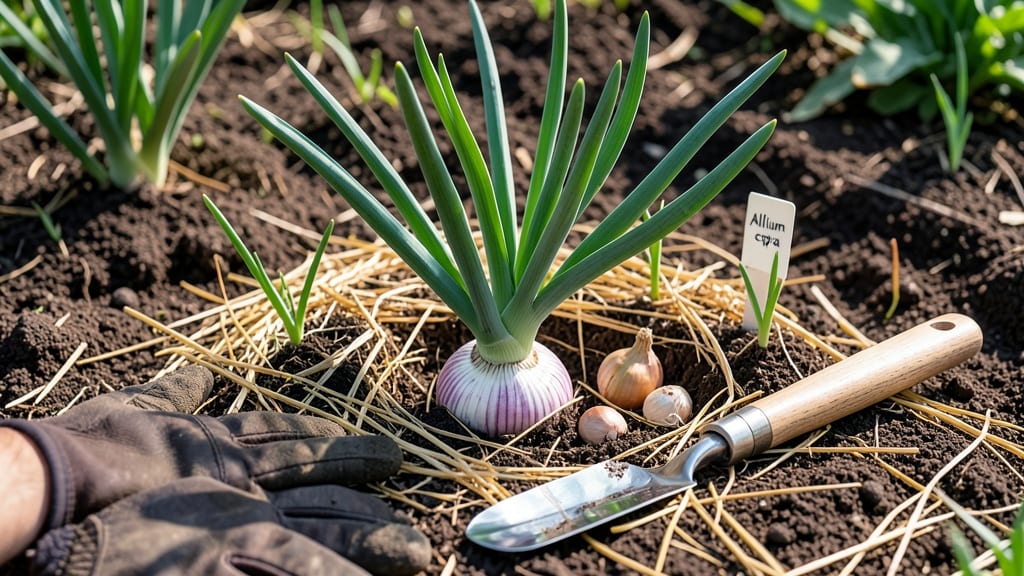
Timing your onion 🧅 planting in Oklahoma isn't just about following a calendar—it's about beating the unpredictable frosts that can turn your hard work into a sad, wilted mess.
With last frost dates creeping into March and first frosts arriving as early as November, getting those seeds or sets in the ground too soon or too late means bolting greens or frozen bulbs.
You might think spring planting is your only option, but Oklahoma gardeners actually have two prime windows to grow onions successfully—spring and fall.
The key is understanding how your USDA Zone 7b climate plays into the equation, whether you're working with short-day varieties that thrive in Oklahoma's heat or long-day types that need cooler conditions.
I've learned the hard way that planting onions in Oklahoma requires more than just throwing them in the dirt when it feels right. The ideal planting window for spring onions is late February to early April, while fall planting should happen between August and September.
But here's the secret: soil temperature matters just as much as air temperature.
In this guide, I'll walk you through the exact frost-free deadlines for both planting seasons, how to prep your soil for Oklahoma's unique conditions, and which onion varieties actually perform best in our climate. Let's get those onions growing right—no more wasted efforts!
Oklahoma onion planting calendar: exact dates by USDA Zone 7b
Timing is everything when planting onions in Oklahoma’s Zone 7b. The state’s unpredictable spring frosts and scorching summer heat demand precision—plant too early, and you risk frost damage; too late, and your onions bolt before bulbing.
For most gardeners, the ideal planting window spans from late February to early April for spring onions and August to September for fall varieties.
Oklahoma’s average last frost date is around March 15, but microclimates in western regions (like Altus) can see frost as late as April 1.
Eastern areas (like Tulsa) often warm up faster, giving you a 2-3 week earlier start. Always check your local USDA Zone 7b frost maps before planting.
Here’s the critical timeline for both spring and fall plantings in Oklahoma:
| Stage | Spring Planting (Sets/Seedlings) | Fall Planting (Sets/Seedlings) | Notes |
|---|---|---|---|
| Pre-Chitting (Bulbs Only) | Early February (6-8 weeks before last frost) | N/A (fall plantings skip chitting) | Place bulbs in mesh bags in fridge (40°F) for roots to form. |
| Planting Window | Late February – Early April | August – September | Soil temp must be 40°F+ for germination. |
| Seed Starting (Transplants) | Indoors: January 15 – February 15 | Indoors: July 1 – July 15 | Transplant outdoors when soil warms to 50°F+. |
| Harvest Window | June – August | October – November | Fall onions store better if cured before first frost. |
| Critical Deadline | April 15 (risk of bolting after) | September 30 (soil cools before harvest) | Miss these dates, and you’ll lose bulb quality. |
For short-day onion varieties (like Texas Early White), Oklahoma’s climate is nearly perfect—these thrive with 10-12 hours of daylight, which matches our late summer/fall conditions. Long-day onions (e.g., Yellow Sweet Spanish) need 14+ hours of daylight to bulb properly, making them trickier in Oklahoma’s shorter winter days.
Stick to short-day types for reliable results.
If you’re planting onion sets (pre-grown bulbs), Oklahoma gardeners swear by late February for spring plantings. For seeds or transplants, start them indoors 6-8 weeks before your target outdoor date. Harden off seedlings for 7-10 days before transplanting to avoid shock from Oklahoma’s windy conditions.
Pro tip: Use row covers if planting early—Oklahoma’s March frosts can still hit hard. Remove covers once soil warms consistently above 50°F to prevent overheating. For fall plantings, aim for August to give onions time to mature before November’s first frost.
Remember, soil temperature matters more than air temperature. Use a soil thermometer to confirm 40°F+ before planting—cold soil delays germination. Oklahoma’s clay-heavy soils also need amending with compost or sand to improve drainage, or your onions may rot.
For green onions (scallions), you can plant every 2-3 weeks from March to September for a continuous harvest. These don’t need the same precision timing as bulbing onions, but they still prefer cool weather to avoid bolting.
Missed the spring window? Don’t panic—fall planting is your backup. Just be ready to harvest before frost or risk losing your crop to freeze damage. With these exact dates, you’ll avoid the common Oklahoma mistakes of bolting greens or stunted bulbs.
How to adjust onion planting for Oklahoma’s unpredictable weather
Oklahoma’s weather can swing from freezing nights to 90°F heatwaves in a single week, making onion planting a delicate balance. Unlike cooler climates, our USDA Zone 7b demands flexibility—what works in Texas won’t always thrive here.
The key is proactive adjustments to protect your crop from late frosts or early bolting.
Start by monitoring local frost warnings from the National Weather Service. While the average last frost is March 15, microclimates in northern Oklahoma (like Oklahoma City) can see frost as late as April 1. Use this data to delay spring planting by 2-3 weeks if needed.
For fall planting, aim for mid-August to early September. This gives onions time to establish roots before daytime highs drop in October. If you’re in southern Oklahoma (like Tulsa), you might push planting to early October—but cover seedlings if temperatures dip below 50°F at night.
⚠️ Oklahoma-Specific Planting Risks
Late Frost (March-April): Use floating row covers or plant in raised beds for faster warming. Avoid planting before March 20 unless you’re using short-day varieties like Texas Early White.
Early Heat (May-June): Onions planted in late April may bolt prematurely. Mulch with straw or grass clippings to keep soil temps stable and reduce stress.
Drought Stress (Summer): Oklahoma’s low humidity can cause onions to split. Water deeply twice weekly during June-August and avoid overhead sprinkling.
If your onions start bolting (sending up flower stems) too early, it’s often a sign of heat stress or overcrowding. Thin seedlings to 4-6 inches apart and harvest green onions immediately if bulbs aren’t forming. For long-day varieties (like Yellow Granex), consider shade cloth during peak afternoon sun.
For backup planting, set aside a small bed for successive sowings every 2 weeks from March to April. This ensures a staggered harvest and reduces losses if one batch fails. Store extra onion sets in the fridge until you’re ready to replant after a frost scare.
Finally, test your soil in early spring—Oklahoma’s clay-heavy soils can become waterlogged, leading to rot. Amend with compost or sand to improve drainage. A pH of 6.0-7.0 is ideal for onions, and a simple $10 soil test kit from your local extension office can save you headaches.