
Plants
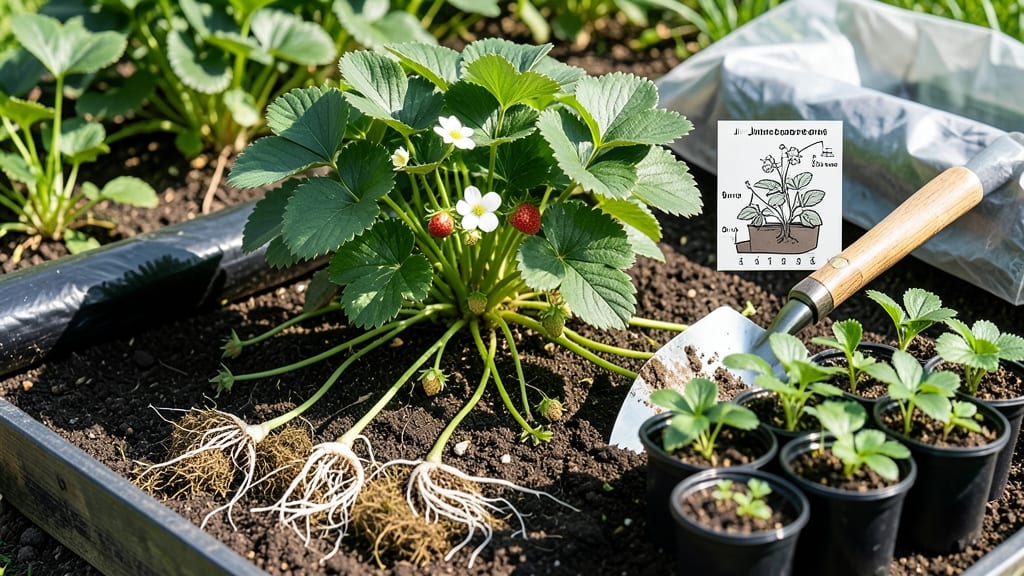
Planting strawberries in Michigan at the wrong time can mean the difference between a bountiful harvest and wasted effort—especially when frost dates shift unexpectedly. Whether you're growing sweet June-bearing varieties or everbearing types, timing matters more than you might think.
Most Michigan gardeners plant their 🍓 strawberries in early spring (March-April) or late summer (July-August), but the Upper Peninsula’s chillier climate (USDA Zone 5b) demands a different approach than the Lower Peninsula’s milder Zone 6b. Miss the window, and you risk stunted growth or early frost damage—both heartbreaking for anyone dreaming of homegrown berries.
I’ve helped Michigan growers avoid these pitfalls by aligning planting with chill-hour needs and frost dates. You’ll discover exactly when to start seeds, transplant bare-root plants, or set out potted strawberries for maximum yield—plus how to prep your soil for healthier roots and bigger berries.
Ready to skip the guesswork? Let’s break down the optimal planting schedule for your region, so you can enjoy fresh strawberries from June through August—without the stress.
Michigan strawberry planting dates: chill-hours & frost-date breakdown
Michigan’s climate—with its USDA zones 5b-6b and variable frost dates—means strawberry planting isn’t one-size-fits-all. The Upper Peninsula (colder) and Lower Peninsula (warmer) have different windows, and even within regions, chill-hour requirements for varieties matter.
Let’s break it down so you plant at the perfect time for maximum berry production.
First, know your last frost date: Most of Michigan’s Lower Peninsula averages mid-April, while the Upper Peninsula can linger until late May.
For June-bearing varieties (like Honeoye or Jewel), plant 4-6 weeks before last frost—typically early April to mid-May in the Lower Peninsula. Everbearing varieties (like Ozark Beauty) are more flexible and can handle late spring plantings.
Chill-hours are critical: June-bearing strawberries need 200-400 chill-hours (below 45°F), while everbearing/day-neutral varieties thrive with 100-300 chill-hours. Michigan’s winters usually provide enough chill, but late plantings (after February) may starve June-bearers of needed cold exposure. Pro tip: Check your variety’s chill-hour needs before buying!
For late-summer plantings (July-August), focus on everbearing or day-neutral varieties—they’ll produce fruit the following spring instead of waiting a full year. This is ideal for gardeners who miss the spring window or want a fall harvest.
Now, let’s tackle the regional nuances. Southern Michigan (e.g., Detroit, Kalamazoo) can plant as early as March in mild winters, while northern areas (e.g., Traverse City, Marquette) should wait until after May 1 to avoid frost damage. Always monitor local forecasts—Michigan’s weather is unpredictable!
🌱
| Region | Best Planting Window | Chill-Hours Needed | Recommended Varieties |
|---|---|---|---|
| Southern Lower Peninsula (Detroit, Kalamazoo) | March 15 – April 15 | 200-400 | Honeoye, Jewel, Albion |
| Northern Lower Peninsula (Grand Rapids, Lansing) | April 1 – May 1 | 300-400 | Chandler, Allstar, Seascape |
| Upper Peninsula (Marquette, Sault Ste. Marie) | May 1 – May 15 | 400+ | Ozark Beauty, Tristar, Fort Laramie |
| Late-Summer Planting (Statewide) | July 1 – August 15 | 100-300 | Everbearing: Albion, Seascape |
Don’t overlook bare-root vs. potted plants: Bare-root strawberries (cheaper) need to be planted immediately after purchase—they dry out fast. Potted plants (like 6-packs) give you flexibility to plant up to 2 weeks later without stress. For Michigan’s unpredictable springs, potted plants are often the safer bet.
One more critical hack: If you’re in a high-frost-risk area, use row covers or straw mulch to protect young plants. Even a light frost can damage tender leaves, setting back your harvest by weeks. Everbearing varieties are more frost-tolerant, making them ideal for northern Michigan.
Finally, soil temperature matters: Strawberries won’t thrive in cold, soggy soil. Wait until the ground reaches at least 45°F (test with a soil thermometer) before planting. In sandy soils (common in northern Michigan), warm up the bed with black plastic mulch a week before planting.
✂️
Michigan strawberry planting dates: chill-hours & frost-date breakdown
Michigan’s climate creates two distinct planting windows for strawberries: early spring and late summer. The key difference? Chill-hour requirements—June-bearing varieties need 400-600 chill hours (below 45°F), while everbearing types thrive with 300-400 chill hours.
In Michigan’s USDA Zones 5b-6b, this means timing matters more than most gardeners realize.
For the Lower Peninsula (where last frosts average mid-April), aim to plant bare-root strawberries in March-April or potted plants in July-August. The Upper Peninsula, with later frosts (late May), can push planting to late April-early May.
Everbearing varieties like ‘Albion’ or ‘Seascape’ are better suited for shorter chill seasons.
🌱Pro Tip: Check your local frost-free date (use the Michigan State University Garden Hotline or Almanac’s Frost Calculator) and plant 4-6 weeks beforehand for established roots.
| Region | Best Planting Window | Chill-Hour Needs | Variety Recommendation |
|---|---|---|---|
| Lower Peninsula | March–April (bare-root) or July–August (potted) | 400–600 hours | June-bearing: ‘Honeoye’, ‘Jewel’ |
| Upper Peninsula | Late April–early May (bare-root) or August | 300–400 hours | Everbearing: ‘Albion’, ‘Seascape’ |
If you’re planting in late summer (July-August), focus on everbearing varieties—they’ll produce fruit the following spring. For June-bearing types, this window is for establishing roots before winter dormancy. Never plant in fall; strawberries need time to root before Michigan’s first frost (mid-October).
🌡️Watch for: A 3-day stretch above 70°F after planting signals it’s safe to skip frost protection (like row covers). In colder zones, use black plastic mulch to warm soil and extend the season.
For container growers, potted strawberries can be planted 2 weeks earlier than in-ground varieties—their roots warm up faster. Just ensure pots have drainage holes to prevent root rot, a common Michigan issue.